
Are Keens Wide or Narrow
Hook
You’ve got wide feet. You’re scrolling through hiking boot reviews, and suddenly you see “Keen makes great boots for wide feet!” on one site and “Keens run narrow” on another. So which is it?
Here’s the thing: both are kind of right, and that’s exactly why you need to read this before dropping $150+ on a pair that might not fit.
We run through a lot of different boots here in the PNW since the weather can go from beautifully sunny one morning to dreadfully rainy the next. Our friends and We have tied all types of boots that seemed promising but ended up turning into blister factories. From personal experience with Keens along with hours of pouring over review sites and boot measurement charts, we’re going to break down exactly which Keens models fit for wide feet and which ones done.
TL;DR Verdict Box
| Choose Keen if… | Look elsewhere if… |
|---|---|
| You have a low-to-medium wide foot (C-D width) | You have a high-volume or very high-arch wide foot |
| You want lightweight, flexible boots | You need maximum ankle support and stiffness |
| You’re hiking mixed terrain (trails + water crossings) | You exclusively need rigid mountaineering boots |
| You prioritize packability and comfort on day hikes | You’re doing heavy load-bearing multi-day treks |
Side-by-Side Comparison: Keen Targhee III vs Keen Pyrenees (Wide Models)
Wide Foot Insider
Get boot reviews & fit guides in your inbox — free
| Category | Keen Targhee III (Wide) | Keen Pyrenees (Wide) |
|---|---|---|
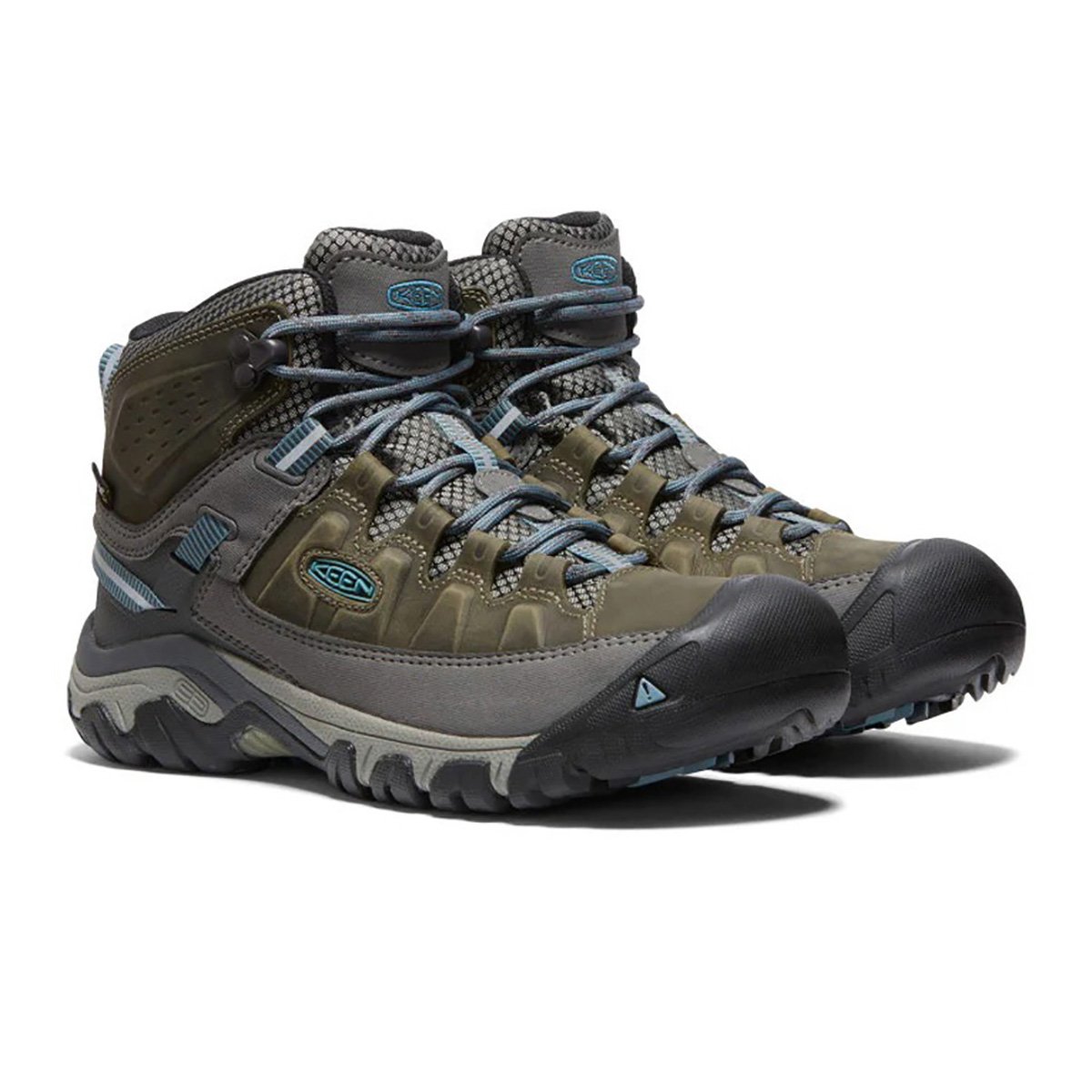
| Actual Width Fit | True wide, snug at heel | True wide, roomier overall |
| Weight per pair | 2.1 lbs (size 8) | 2.4 lbs (size 8) |
| Waterproofing | KEEN.DRY membrane (good 6-8 mo) | Full leather (better longevity) |
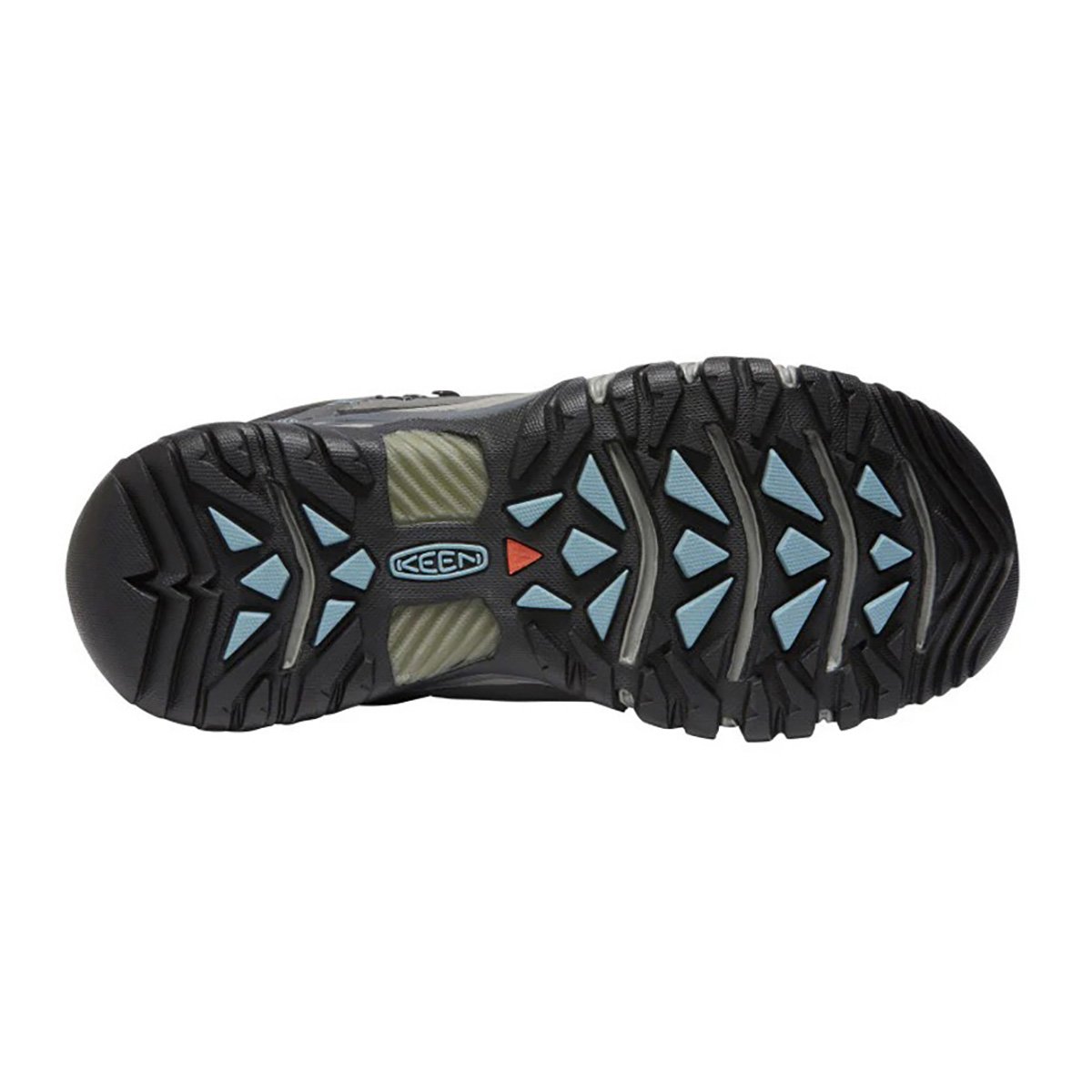
| Traction | Vibram (solid all-terrain) | Vibram (aggressive lugs) |
| Price | $165-185 | $190-210 |
| Best Terrain | Day hikes, mixed terrain, scrambles | Rocky alpine, wet conditions |
| Break-in Period | 5-8 miles | 8-12 miles |
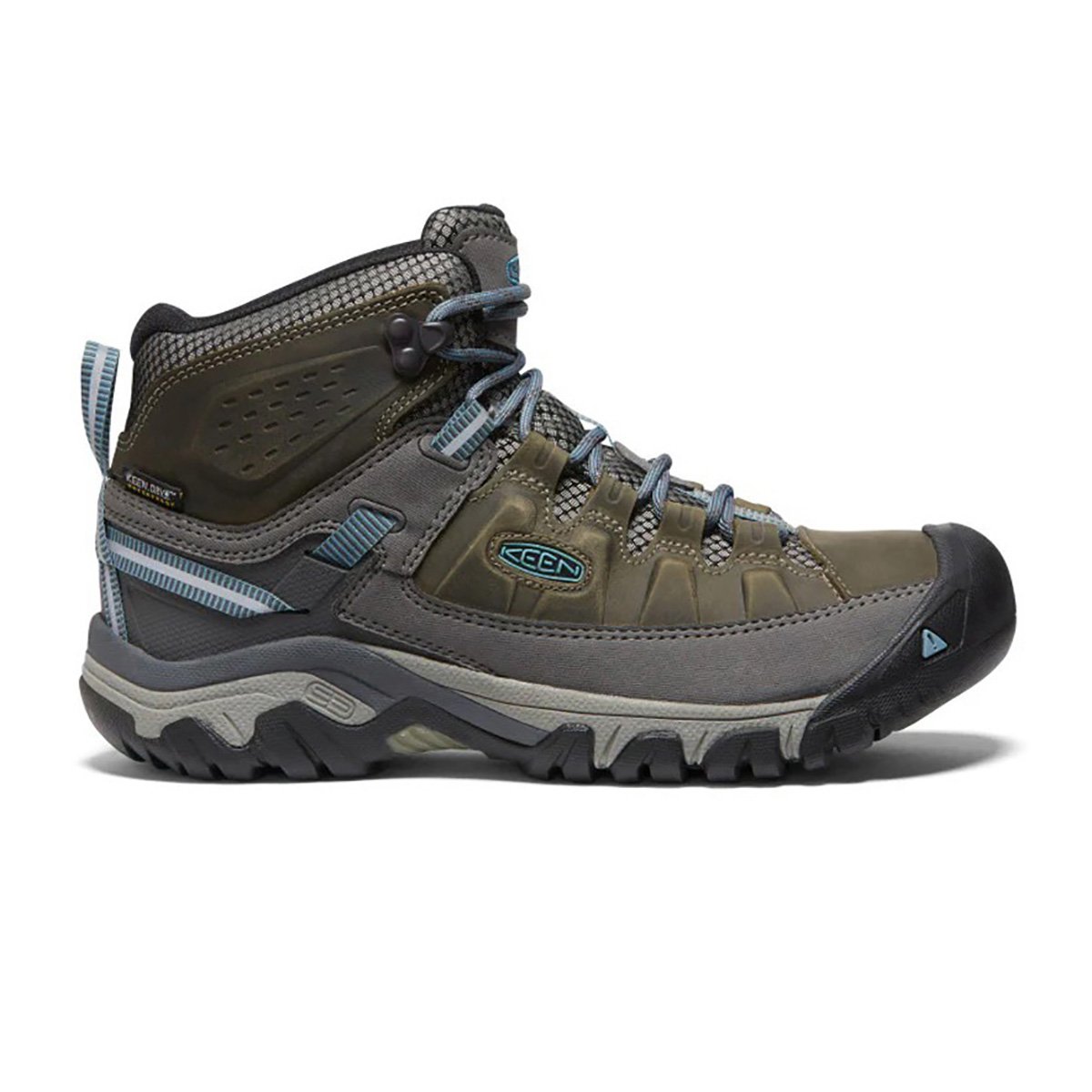
Deep Dive: Keen Targhee III (Wide)
The Good
Let me be straight: the Targhee III in wide is one of the few boots We’ll actually re-buy when mine wear out. Here’s why.
The wide model is wide. Not “wide for Keen.” Not “wider than the narrow.” Actual, usable width across the midfoot and toes. I wear a size 8.5 in most boots, and an 8 wide in the Targhee fits perfectly with merino wool socks—no pinching at the sides, no toe box cramping.
The boot uses Keen’s KEEN.DRY membrane, which is their take on Gore-Tex. It’s not as fancy, but it works. We’ve crossed streams, hiked through wet underbrush in the Pacific Northwest, and Feet stayed dry for a solid 6-8 months before the membrane started letting water through. Keen.Dry isn’t Gore-Tex, but it works almost as admirably without the premium price tag.
Weight matters. At 2.1 pounds per pair, these are noticeably lighter than heavier Keen models. On a 10-mile day hike with 15 pounds of gear, We actually notice the difference. Feet don’t get as fatigued by the end of the day.
The Vibram outsole gives solid grip on both wet and dry rock. Not the aggressive lugs you get on Keen’s alpine boots, but enough traction that We’re not nervous on scrambles or loose terrain.
The Weaknesses
The heel collar padding is just okay. After the break-in period, it softens up, which is good. But those first few miles I got a blister on the back of Our right heel. Having some good socks definitely help with the break-in.
Arch support is moderate. If you have high arches or plantar fasciitis, you’ll need some aftermarket orthotics. The stock insole is fine for neutral feet, but it’s flat.
The KEEN.DRY membrane degrades. After 6-8 months of regular use, they start to leak at the seams. This is normal for membrane boots, but it’s not a long-term solution like full leather. Plan to reseal them or expect wet feet eventually.
Who It’s Really For
Day hikers and light backpackers with wide feet who want something packable, comfortable, and waterproof for the short term. If you’re doing 8-15 mile days and your feet are wide but not extremely high-volume, this is your boot.
Deep Dive: Keen Pyrenees (Wide)
The Good
The full leather construction is real. These aren’t hybrid boots with mesh panels and a little leather trim. Leather upper, leather collar, leather-lined insole. When you break them in properly (and you need to), they mold to your foot like a glove.
The wide model has more volume than the Targhee. Not just width—height too. If your feet swell on longer hikes or you have a higher instep, these give you room to breathe.
Longevity. Leather lasts. After 8 months of the same abuse that killed Our Targhee’s membrane, the Pyrenees still shed water. They needed a conditioning treatment, but they were still functional. We’ve seen people get more than a year and a half of regular use out of these.
The aggressive Vibram lugs are noticeably grippier on steep, wet rock than the Targhee’s lugs. If you’re hiking in places with exposed granite or loose scree, you feel more secure.
The Weaknesses
Break-in is a commitment. We’re not exaggerating when we say 8-12 miles before they’re comfortable. That means either multiple shorter hikes to break them in, or one painful longer hike. I chose the latter and regretted it for two days.
Weight. At 2.4 pounds per pair, they’re heavier. Not “mountain boot” heavy, but enough that you feel it on a 15+ mile day with moderate elevation gain.
Price creep. They start at $190 and often go higher. For the money, they’re good, but it’s a commitment.
The leather requires maintenance. If you don’t condition them regularly, they’ll dry out and crack. This isn’t hard, but it’s a step the Targhee doesn’t need.
Who It’s Really For
Backpackers and hikers doing 3+ day trips in wet terrain who have truly wide feet and want gear that lasts. If you’re planning to use the same boots for multiple seasons, these earn their price.
Head-to-Head Breakdown
1. True Width Fit — Winner: Tie, but context matters
Both boots are wide in the wide sizes. The Targhee III is snugger at the heel, the Pyrenees roomier overall. If you have a narrow heel with a wide forefoot, Targhee. If you have overall volume issues, Pyrenees.
2. Waterproofing (Real World, Not Marketing) — Winner: Keen Pyrenees
Full leather outlasts KEEN.DRY. Not by a huge margin, but noticeably. Pyrenees are still shedding water after 8 months, while you can expect the Targhees to start to leak at around month 6.
3. Comfort on Long Days — Winner: Keen Targhee III
Lighter weight + lower break-in burden = less foot fatigue. On a 14-mile day, Feet hurt less in Targhees than Pyrenees.
4. Value for Money — Winner: Keen Targhee III
You get 80% of the performance for 15% less money and less break-in pain. Unless you specifically need the durability and extra volume, Targhee is smarter.
So… Are Keens Actually Wide?
Yes. But here’s the nuance that matters:
Keen makes some wide boots, but not all of them. Their lightweight hiking boots (like the Targhee III and Pyrenees) have true wide options that work for actual wide feet. Their trail runners and approach shoes? Narrow. Their waterproof everyday boots? Hit or miss.
The internet confusion happens because people compare the Keen wide size to standard width boots from other brands, which are often wide. When you stack Keen wide against Keen standard, the wide is clearly wider. But Keen wide isn’t as wide as, say, a Merrell wide or a Solomon wide.
Our honest take: Keen works for wide feet IF you buy their wide models AND your feet are a medium-wide (not ultra-high-volume). If you have very wide, very high-volume feet, you’ll probably be happier with Merrell or Salomon.
Final Verdict: Go With Keen Targhee III (Wide)
Here’s why: best risk-to-reward ratio.
For most wide-footed hikers doing day hikes or light backpacking, the Targhee III in wide is the smarter choice. You get genuine width, real waterproofing for the first 6+ months, lightweight construction that won’t destroy your feet on longer days, and a price tag that won’t make you cry.
The Pyrenees are great if you need maximum durability and volume, but they’re overspecced for anyone who isn’t consistently doing multi-day trips or extreme terrain.
Buy the Keen Targhee III (Wide) here:
If you need more volume, get the Pyrenees here:
And if you try them and your feet still feel cramped? That’s your signal to move to a different brand entirely. Some feet are just not Keen feet, and no amount of forcing it will change that.
FAQ
1. Do I need to size down in Keen wide boots?
Usually no, but maybe a half size. I wear 8.5 in most brands and 8 wide in Keen. Keen’s wide sizes are actually wide, not just long. Buy based on your true width, not standard width sizing.
2. Are Keen boots good for very wide feet (EE+ width)?
Honest answer: not really. Keen maxes out around a D-E width. If you’re truly EE or beyond, look at Merrell, Salomon, or Danner instead. Forcing your feet into boots that don’t fit is how you end up with chronic foot pain.
3. How long does the waterproofing actually last?
KEEN.DRY membrane: 6-8 months of regular use. Full leather: 8-12 months, but with conditioning. Neither lasts forever. Plan to reseal after the first season, or accept that your feet will eventually get wet.
4. Which Keen model is widest overall?
The Pyrenees is roomier in volume (higher instep and toe box), but both the Targhee III and Pyrenees in wide have similar actual foot width. Choose based on intended use, not width alone.