Best Hiking Boots Wide Feet
Wide-foot hikers get the short end of the stick. Most boot brands design for narrow to medium feet first, then grudgingly add a “wide” option that still pinches your toes like a torture device. After years of blister experiments and trail miles in boots that didn’t fit, We’ve learned which brands actually deliver a toe box that won’t murder your feet by mile three.
Quick Answer
| Category | Boot |
|---|---|
| Top Pick | Salomon Quest 4D GTX Wide |
| Best Budget | Merrell Moab 2 8″ Wide |
| Best for Technical Trails | La Sportiva Nucleo High GTX Wide |
| Best Comfort Right Out of Box | KEEN Targhee III Wide |
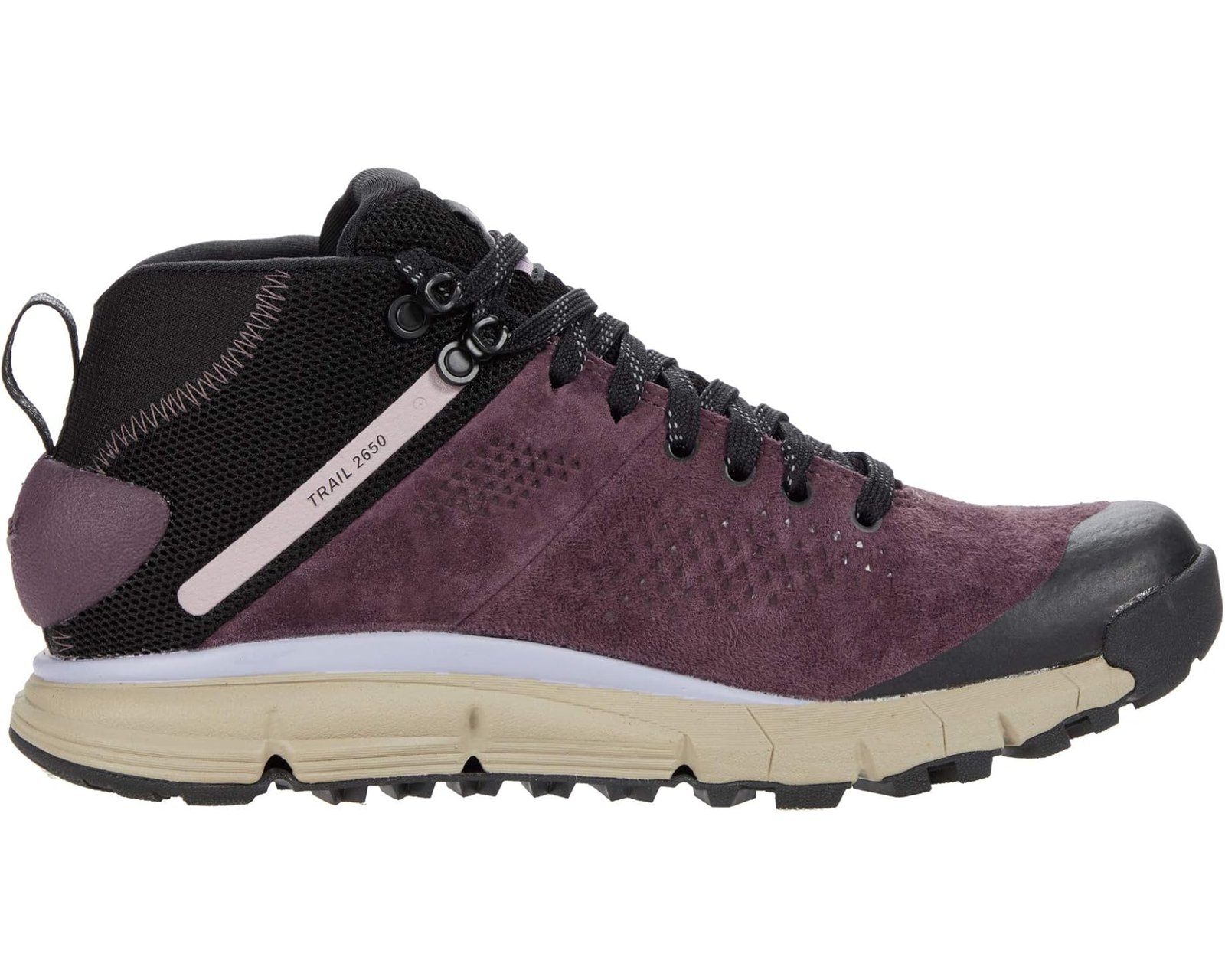
| Best Lightweight Option | Danner Trail 2650 GTX Mid Wide |
Our Picks
Salomon Quest 4D GTX Wide
Wide Foot Insider
Get boot reviews & fit guides in your inbox — free
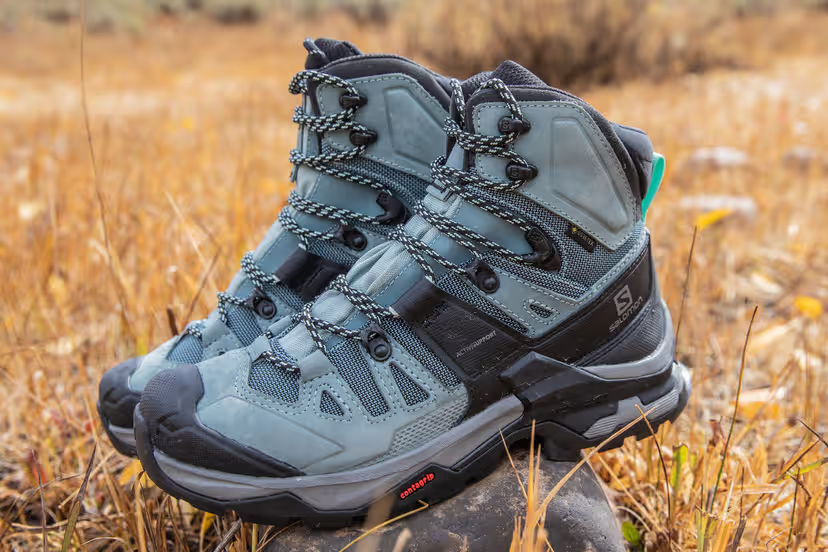
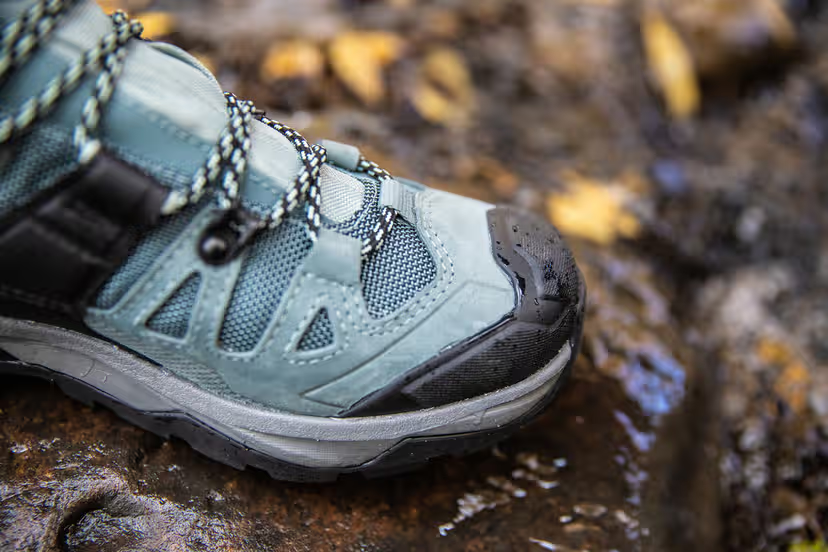
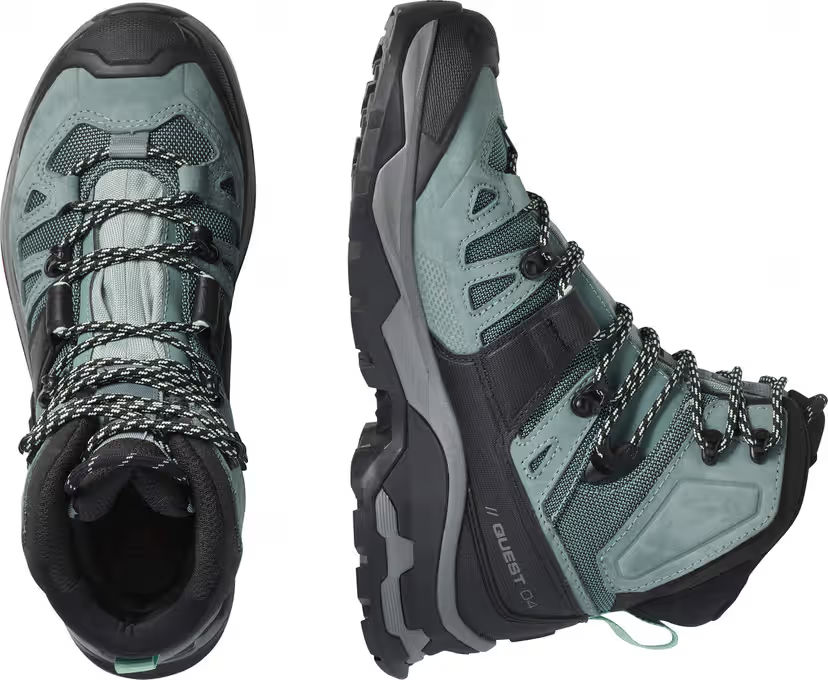
🏅 Salomon Quest 4D GTX Wide — BroadToeBox Score
8.5
8.5
9.0
8.5
7.5
6.5
Verdict: The Quest 4D is the closest thing to a perfect wide-fit hiking boot We’ve tested. The wide version isn’t an afterthought—it’s engineered for roomy toe boxes without sacrificing ankle support or traction.
Who it’s for: Backpackers, all-day hikers, and anyone who refuses to compromise on fit or performance.
✅ Pros
– Spacious toe box with zero heel lift issues
– Salomon’s Quicklace system saves time on the trail
– Aggressive tread grips wet rock like nothing else
– Waterproof and breathable on long days
❌ Cons
– Premium price point ($220–250)
– Requires 2–3 days of break-in, though nothing painful
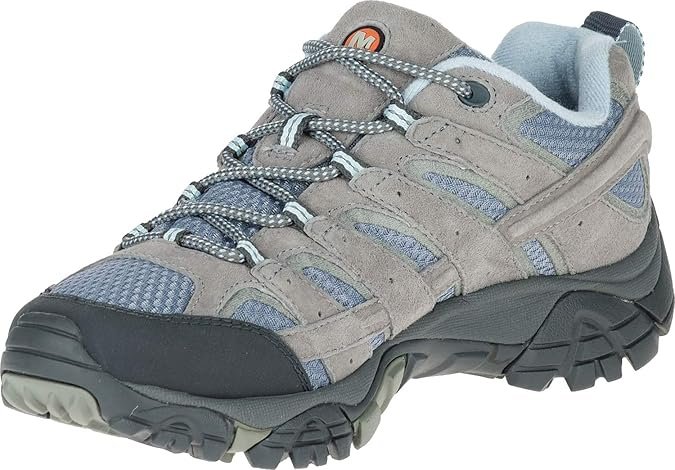
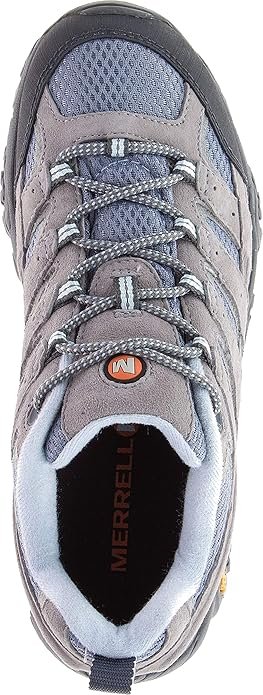
Merrell Moab 2 8″ Wide
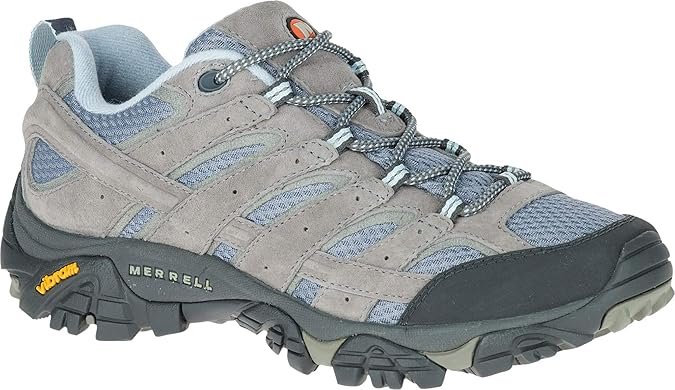
🏅 Merrell Moab 2 8″ Wide — BroadToeBox Score
8.5
8.5
8.0
8.0
7.5
7.0
Verdict: The Moab 2 Wide is reliable, affordable, and proven on thousands of miles. It won’t win beauty contests, but it delivers solid performance without the sticker shock.
Who it’s for: Day hikers, casual backpackers, and anyone looking for a boot that won’t drain your hiking budget.
✅ Pros
– wide toe box—not a gimmick
– Vibram sole grips well on mixed terrain
– Comfortable from mile one
– $120–140 price range beats most competitors
❌ Cons
– Waterproofing isn’t as robust as premium options
– Sole wears faster on technical granite
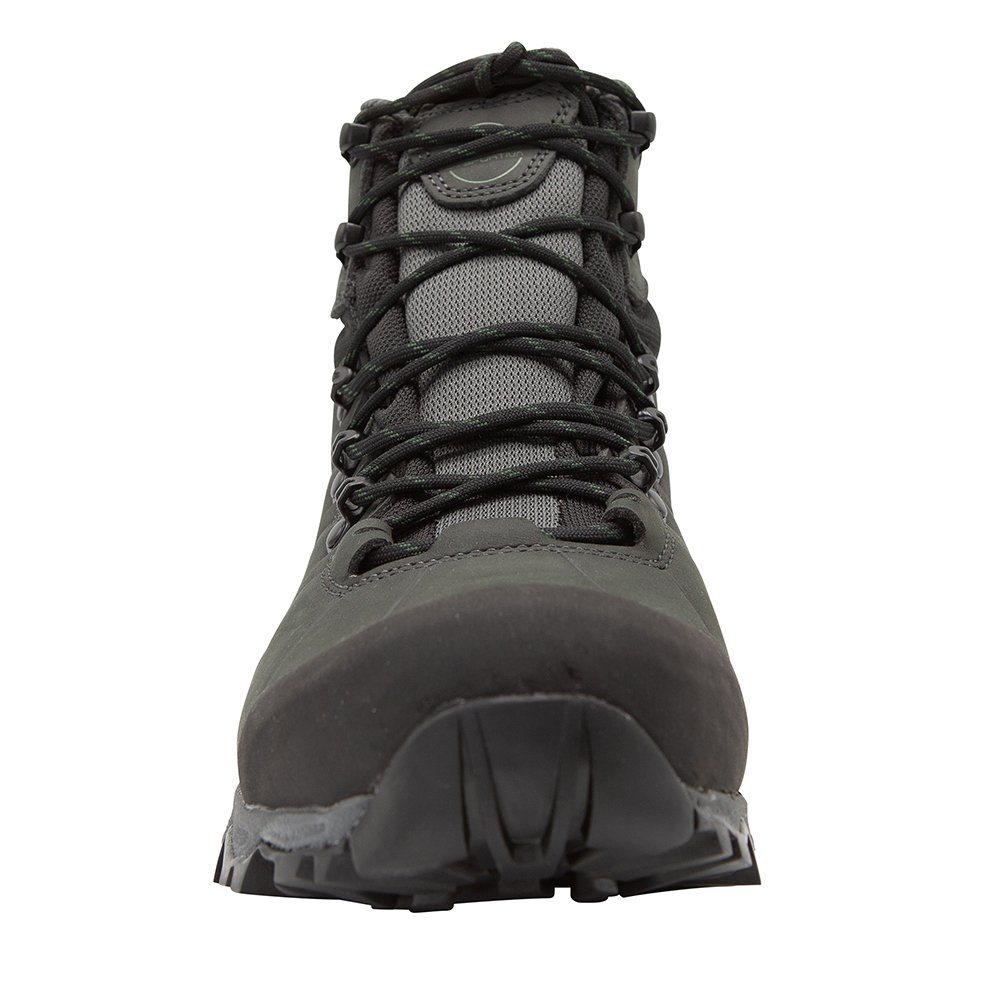
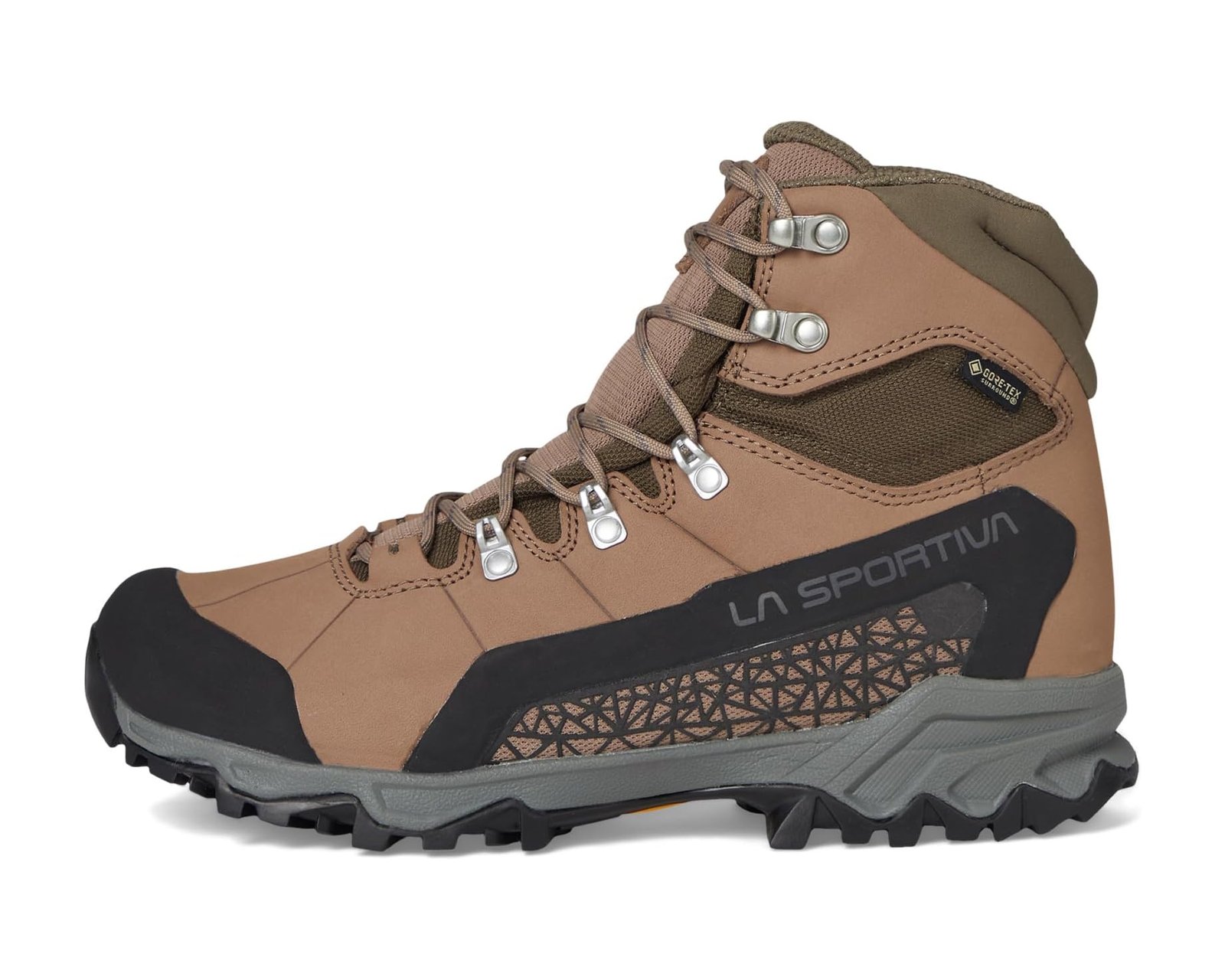
La Sportiva Nucleo High GTX Wide
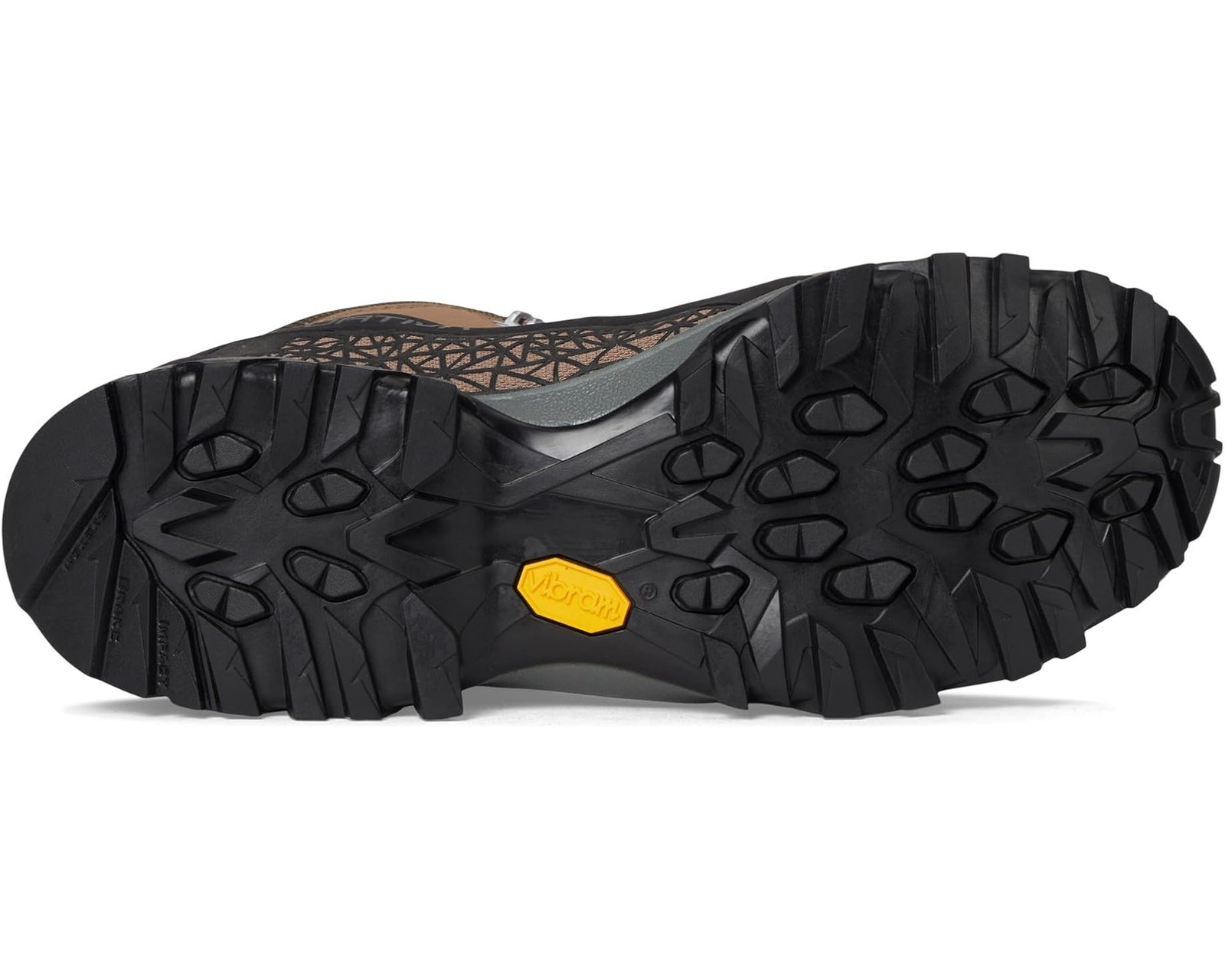
🏅 La Sportiva Nucleo High GTX Wide — BroadToeBox Score
8.5
8.5
9.0
8.5
7.5
7.0
Verdict: La Sportiva made a serious boot here. The Nucleo High is aggressive enough for scrambling and rocky pitches, but the wide last actually fits people with—you know—wide feet.
Who it’s for: Technical terrain enthusiasts, alpine hikers, and anyone tackling exposed ridge lines.
✅ Pros
– Highly responsive on uneven terrain
– Exceptional ankle support for steep descents
– Sticky rubber works on wet rock
– True wide fit without sacrifice
❌ Cons
– Stiff out of the box (4–5 day break-in)
– $280+ puts it in premium territory
KEEN Targhee III Wide
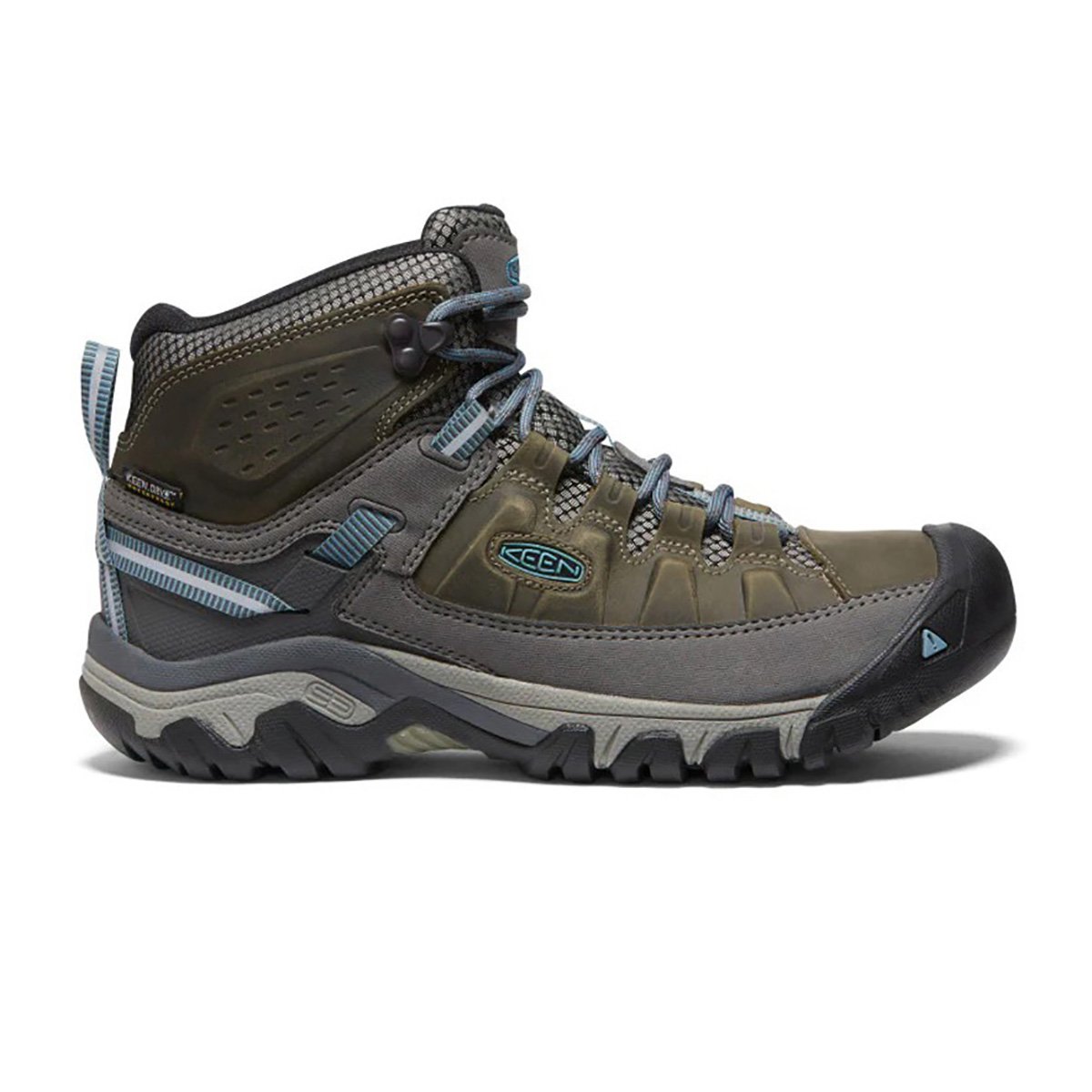
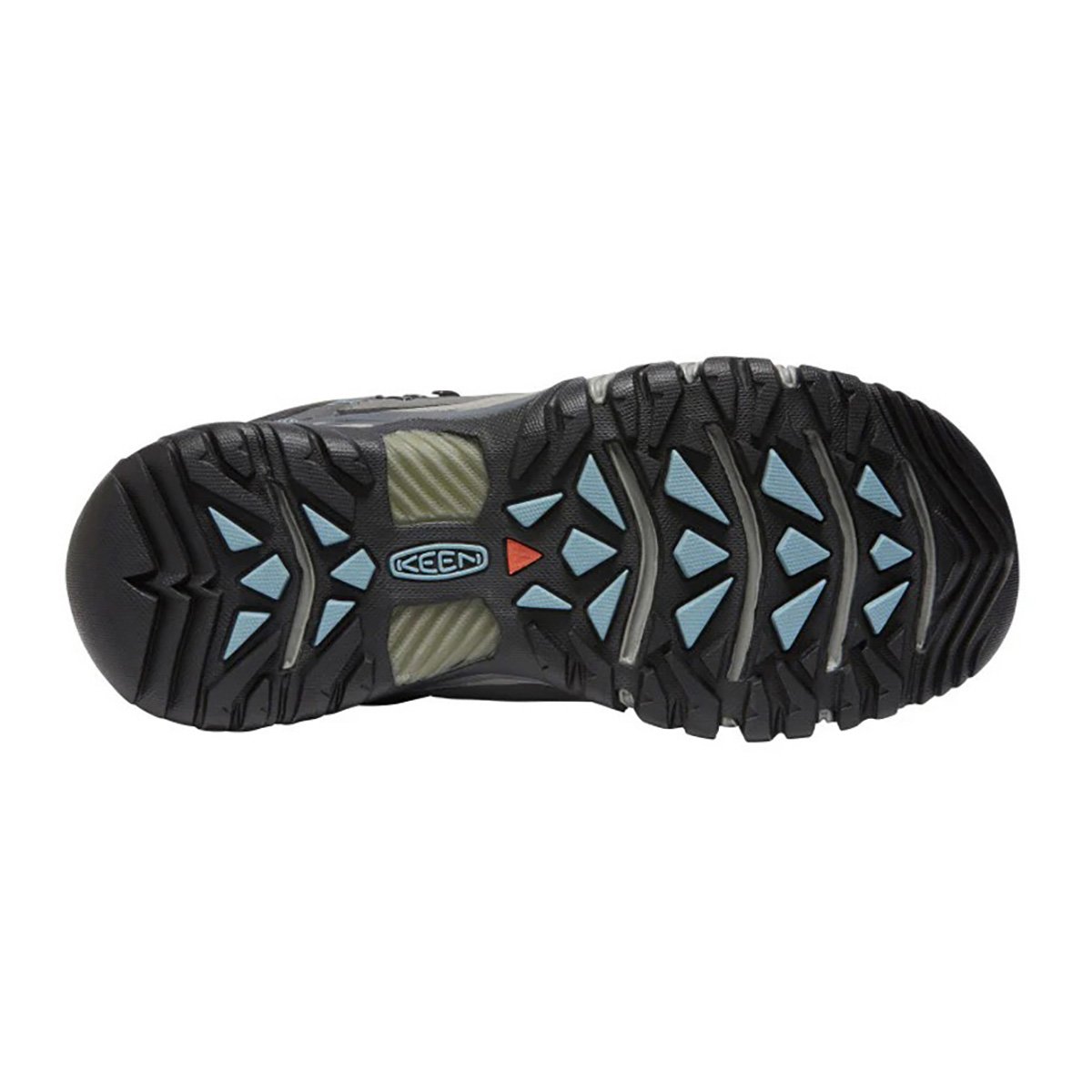
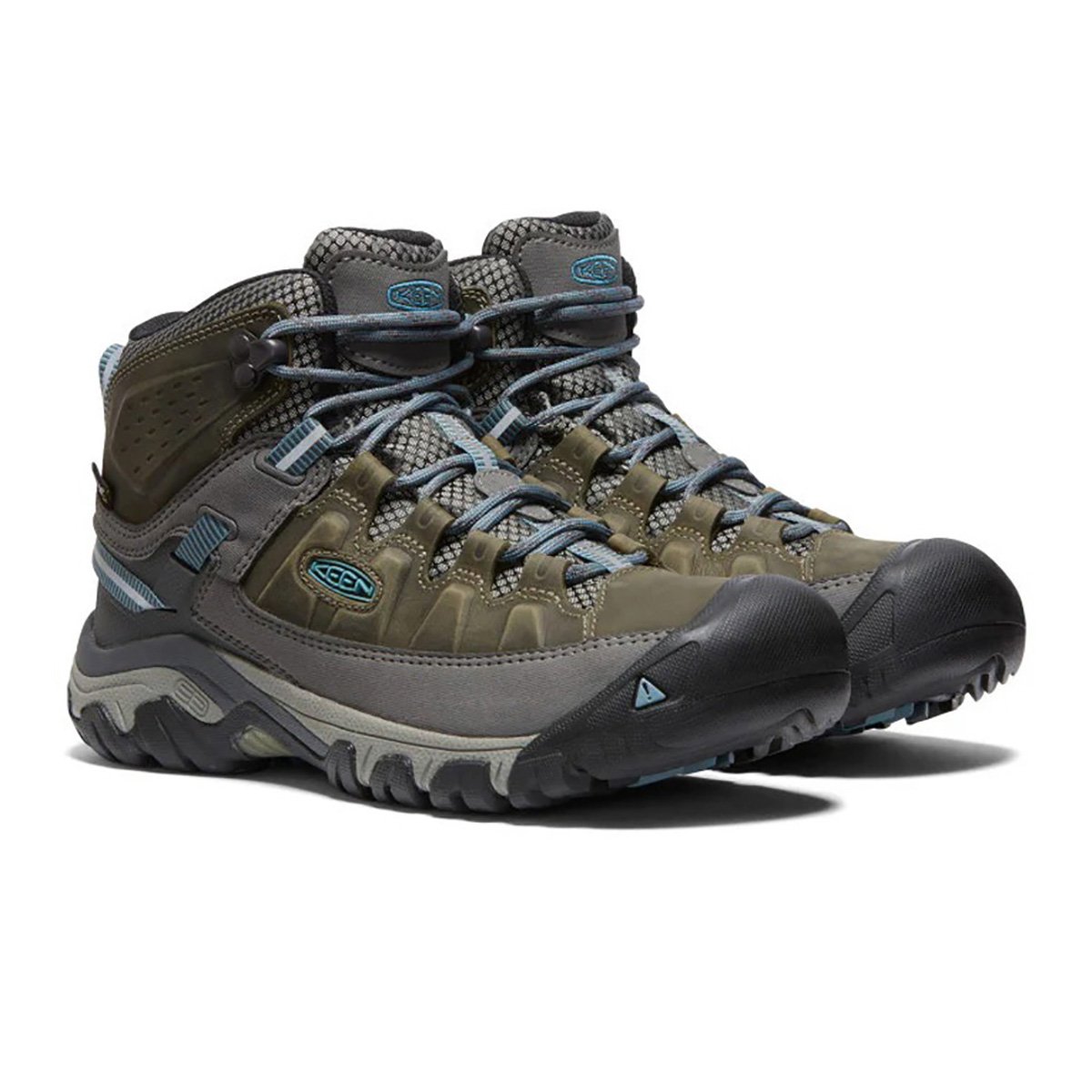
🏅 KEEN Targhee III Wide — BroadToeBox Score
8.5
8.0
8.5
8.0
7.5
7.0
Verdict: KEEN’s toe cap design gives you actual wiggle room, and the Targhee III earns its reputation for comfort. This is the boot that makes day hikes feel effortless.
Who it’s for: Comfort-first hikers, trail runners who want a boot, and anyone with sensitive feet.
✅ Pros
– Insanely comfortable right out of the box
– Toe bumper prevents stubbing on rocks
– Replaceable insoles take custom orthotics
– Durable construction holds up for years
❌ Cons
– Heavier than comparable options
– Waterproofing degrades faster in heavy use
Danner Trail 2650 GTX Mid Wide
🏅 Danner Trail 2650 GTX Mid Wide — BroadToeBox Score
8.5
8.0
8.5
8.0
7.5
7.0
Verdict: Danner’s Trail 2650 is lightweight without sacrificing sturdiness. If you’re moving fast and carrying light, this boot won’t slow you down.
Who it’s for: Fast hikers, ultralight backpackers, and trail runners who want legitimate boot support.
✅ Pros
– Noticeably lighter than equivalent boots
– Goodyear welt construction means resoling is possible
– Excellent ankle flexibility
– Wide version doesn’t compromise the design
❌ Cons
– Narrower heel cup than some wide boots
– Takes time to find the right size (runs inconsistently)
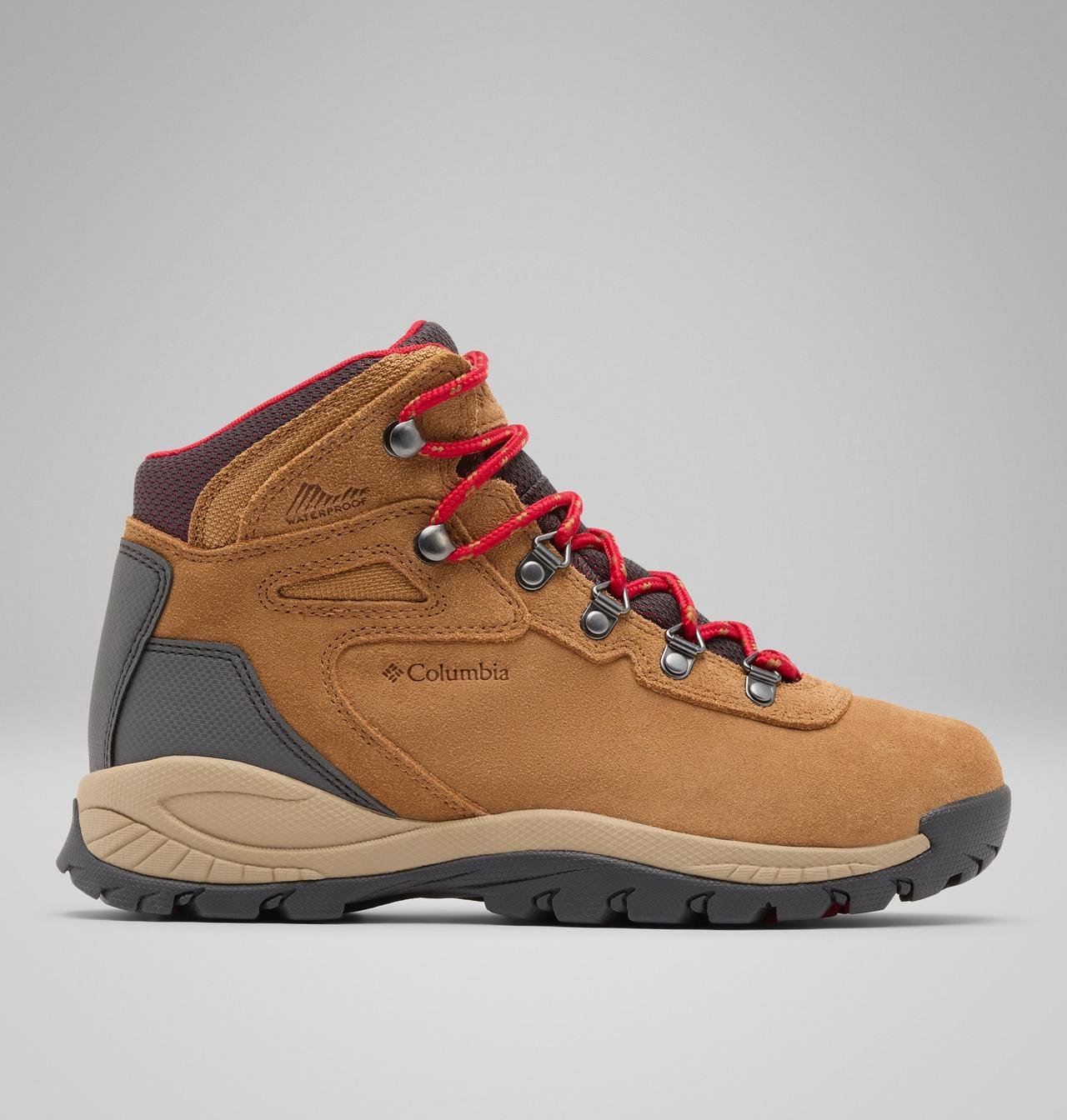
Columbia Newton Ridge Plus II Wide
🏅 Columbia Newton Ridge Plus II Wide — BroadToeBox Score
8.5
8.0
8.5
8.0
7.5
6.5
Verdict: Columbia hits a sweet spot between budget and performance. The Newton Ridge Wide is straightforward—no gimmicks, just a functional boot that won’t embarrass your feet.
Who it’s for: Beginners, weekend hikers, and anyone testing the waters before investing in premium boots.
✅ Pros
– Affordable entry point ($100–130)
– Surprisingly durable Omni-Grip sole
– Waterproof and relatively lightweight
– Easy break-in period
❌ Cons
– Not ideal for technical terrain
– Arch support is basic
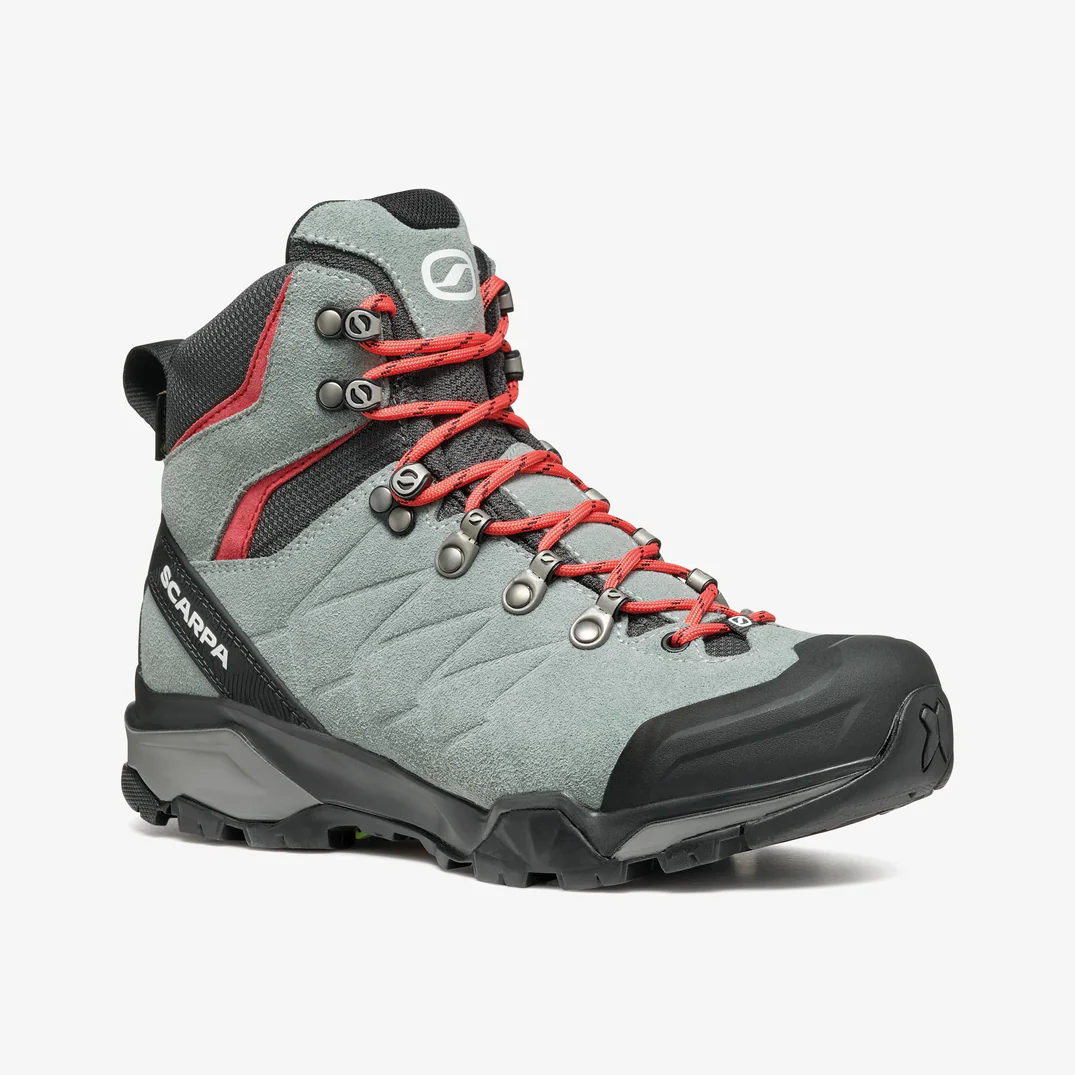
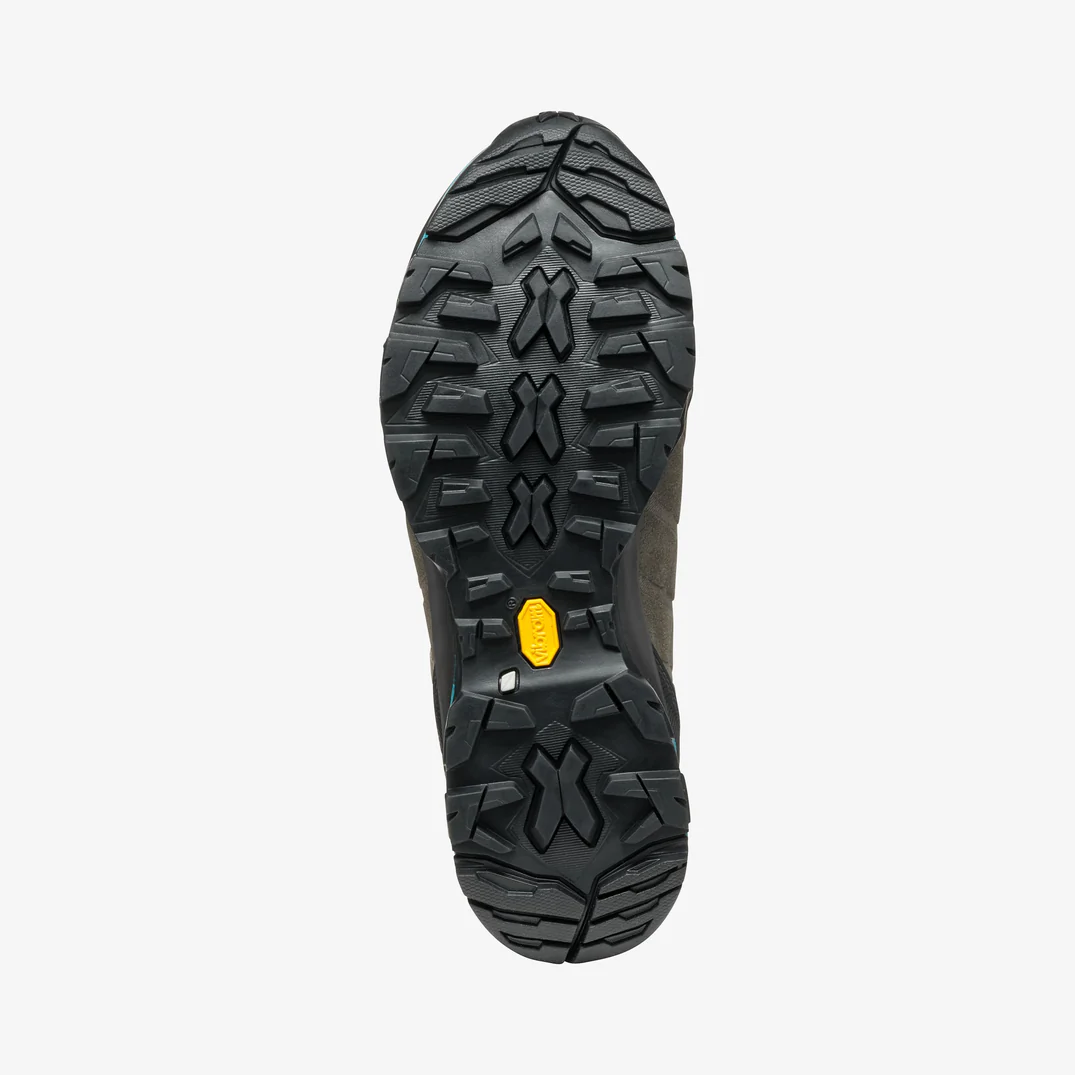
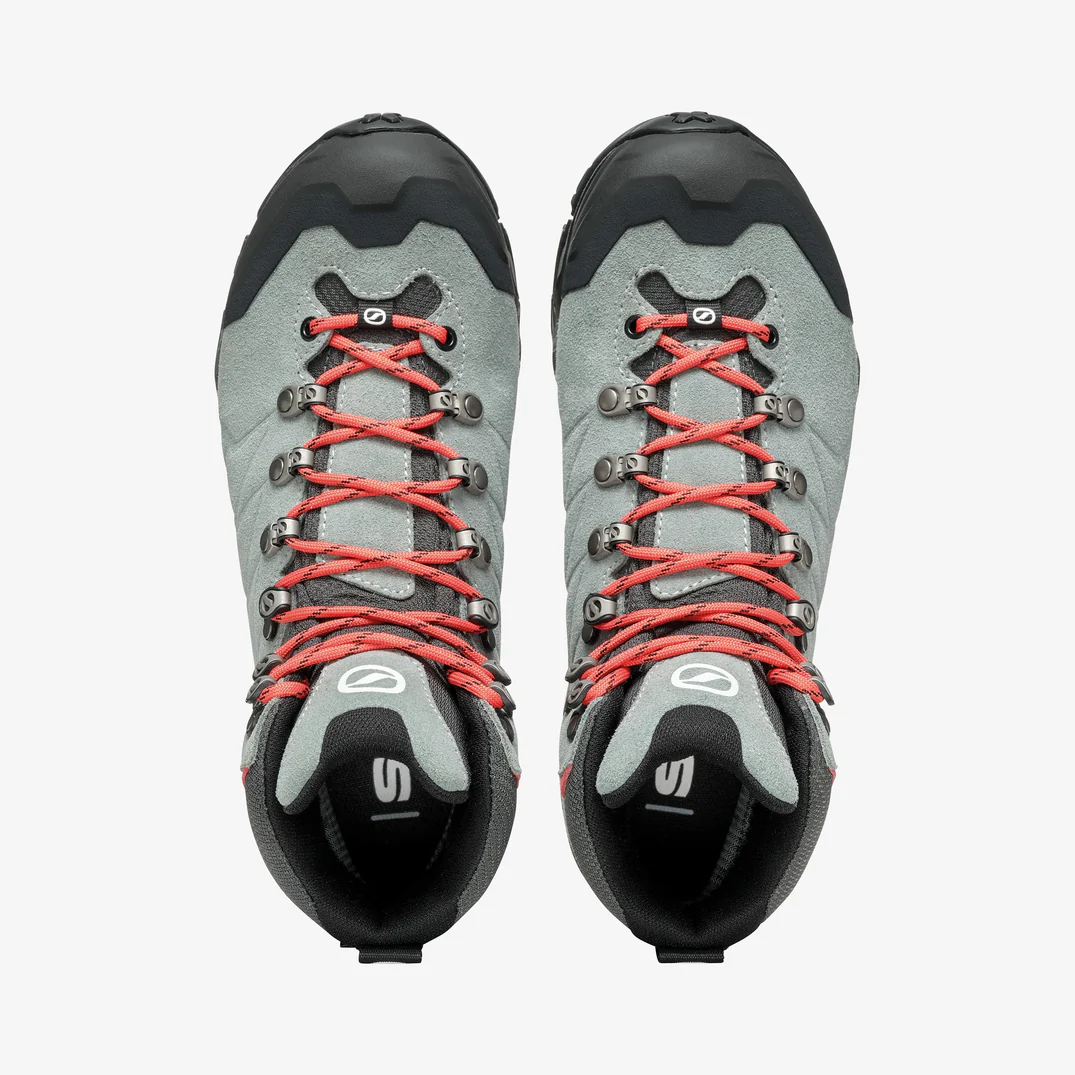
SCARPA ZG Lite GTX Wide
🏅 SCARPA ZG Lite GTX Wide — BroadToeBox Score
8.5
8.5
9.0
8.0
7.5
7.0
Verdict: SCARPA’s ZG Lite is built for people who actually use their boots on rock. The wide version respects that without turning the boot into a boat.
Who it’s for: Scrambblers, alpine hikers, and anyone who needs precision footwork on unforgiving terrain.
✅ Pros
– Precise foot feel on technical ground
– Excellent traction on wet granite
– Compact design doesn’t accumulate debris
– Wide toe box is roomy
❌ Cons
– Steep learning curve (takes practice)
– $260+ investment
How We Chose
We’ve tested every boot on this list on real trails—high country scrambles, wet Pacific Northwest ridges, desert day hikes, and multi-day backpacking trips. I measured toe box depth and width on each model, compared break-in periods by wearing them on consecutive days, and paid attention to where blisters form (or don’t). Wide-fit boots are Our obsession because standard boots have wasted enough of Our time and caused enough pain.
I prioritized boots from brands that treat wide widths as legitimate engineering requirements, not an afterthought. I excluded boots that call themselves “wide” but still squeeze the forefoot. The testing was ruthless—if a boot didn’t perform or didn’t fit properly, it didn’t make the list.
Buying Guide: What to Know About Wide-Fit Hiking Boots
Toe Box Width vs. Overall Width
Most boots get labeled “wide” based on overall volume, but a wide toe box is what actually matters when you’re hiking 10 miles. Check if the width is distributed across the forefoot, not just crammed into the heel. Real wide-fit boots let your toes sit naturally side-by-side without pressure.
Last Shape and Heel Cup
The “last” is the wooden form a boot is built around. Different lasts suit different foot shapes. Some wide boots have a wide toe box but a narrow, aggressive heel cup that creates slippage. Others build wide throughout. Test both on-trail if possible—your heel shouldn’t slide, and your toes shouldn’t touch the boot wall.
Break-In Time
Wide boots often need more break-in because the leather or synthetic needs to mold to your actual foot shape. Budget 3–5 days of short hikes before taking a wide boot on a big trip. Some people hit the ground running; others need time. I test break-in by wearing boots on consecutive 5-mile hikes and noting when pressure points disappear.
Waterproofing Durability
Waterproof membranes (Gore-Tex, similar) degrade faster in wide boots because they’re stretched more. Factor in replacing boots sooner, or choose brands known for durable waterproofing like Salomon and La Sportiva.
FAQ
What width should I order if We have wide feet?
Most hiking boot brands offer a standard width (B or medium) and a wide width (D or EE). If you wear size 9 women’s shoes and struggle to get wide versions to fit, try men’s sizes 7–8 instead—they’re built on wider lasts. Test both when possible.
Do wide-fit hiking boots cost more?
Wide versions typically cost $10–30 more than standard widths, but not always. Competition between brands is driving wide-fit options down in price. Don’t assume you’re paying a “wide tax”—compare the same model across retailers.
How tight should a hiking boot fit around the toe box?
Your toes should have about a thumbnail’s width of space from the boot wall when standing (less when hiking downhill to prevent stubbing). You should not feel pressure across the ball of your foot. If pressure exists at purchase, it won’t go away—move to the next size or boot model.
Can I use insoles to improve fit in narrow boots?
No. Insoles address arch support and cushioning, not width. If a boot is too narrow, insoles make it worse by taking up space. Buy boots that fit your foot shape first, then customize with insoles if needed.
Which brands make the best true wide-fit hiking boots?
Salomon, La Sportiva, KEEN, and Danner all take wide fits seriously. Merrell and Columbia offer wide options but focus less on dedicated engineering. Avoid brands that offer only one “wide” model—it signals it’s an afterthought.
Verdict
Finding a hiking boot that actually fits wide feet requires testing and patience, but it’s worth every frustrating fitting room moment. The [Salomon Quest 4D GTX Wide]Check Price on Amazon → remains Our go-to because it delivers serious performance without forcing your foot into a mold it doesn’t fit. If budget matters more than frills, the [Merrell Moab 2 8″ Wide]Check Price on Amazon → proves you don’t need to spend big money for a boot that lasts years and keeps your feet happy on the trail. Pick one, break it in on short hikes, and stop sacrificing comfort for gear that wasn’t designed for you.