Best Hiking Boots for Women With Wide Feet and High Arches
Wide women’s hiking boots arch support is harder to find than it should be. Most boot manufacturers design for average widths and assume all feet are created equal—which leaves women with wide feet and high arches limping off trail with blisters, pinched midfoots, and arch pain that ruins an otherwise perfect hike. We’ve tried on all types of boots
Quick Answer
Our top pick: Salomon Quest 4D 3 GTX in Wide
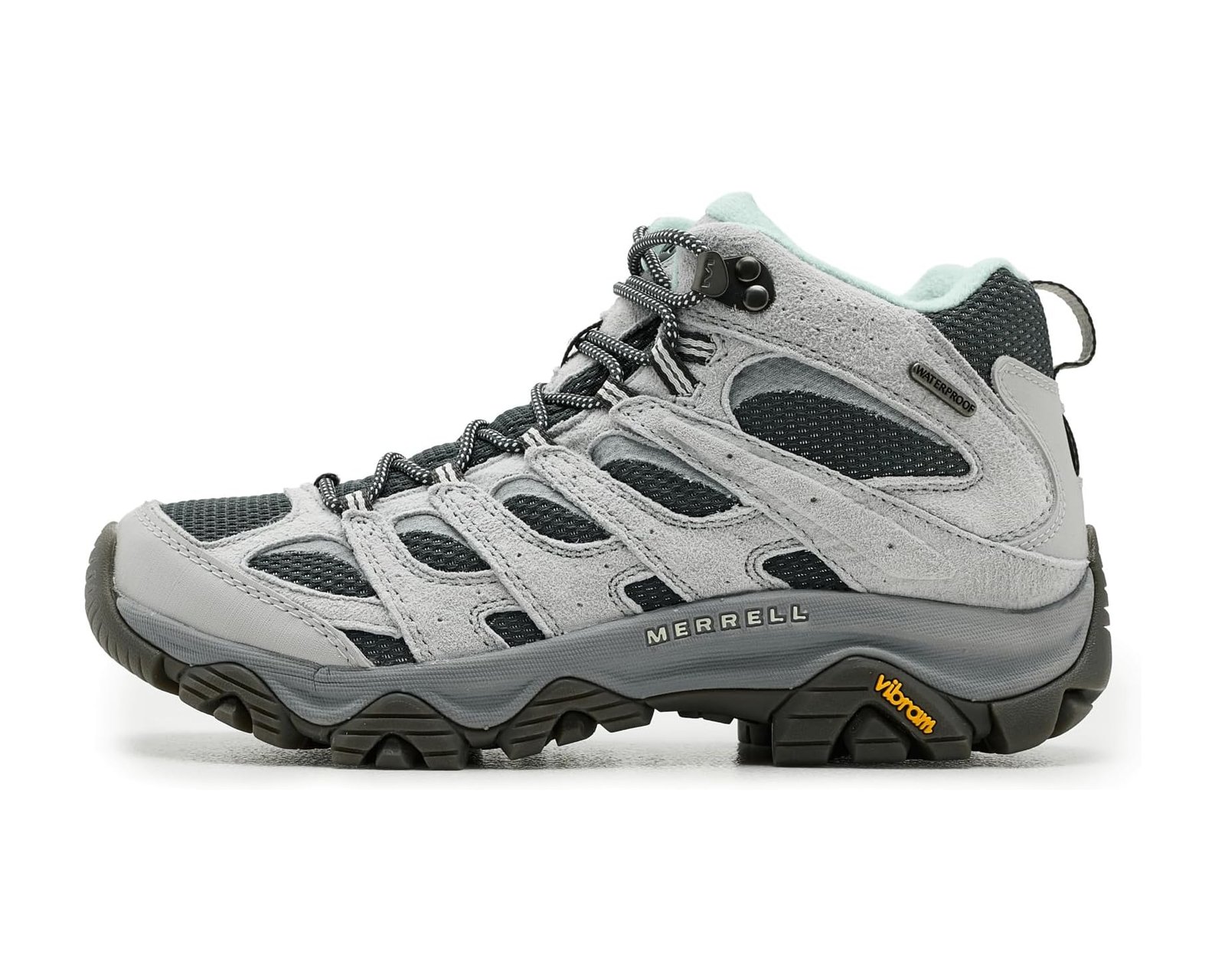
Best budget: Merrell Moab 3 Peak Mid Waterproof
Best for technical terrain: Scarpa ZG Lite
Best for long-distance: Altra Lone Peak All-Terrain
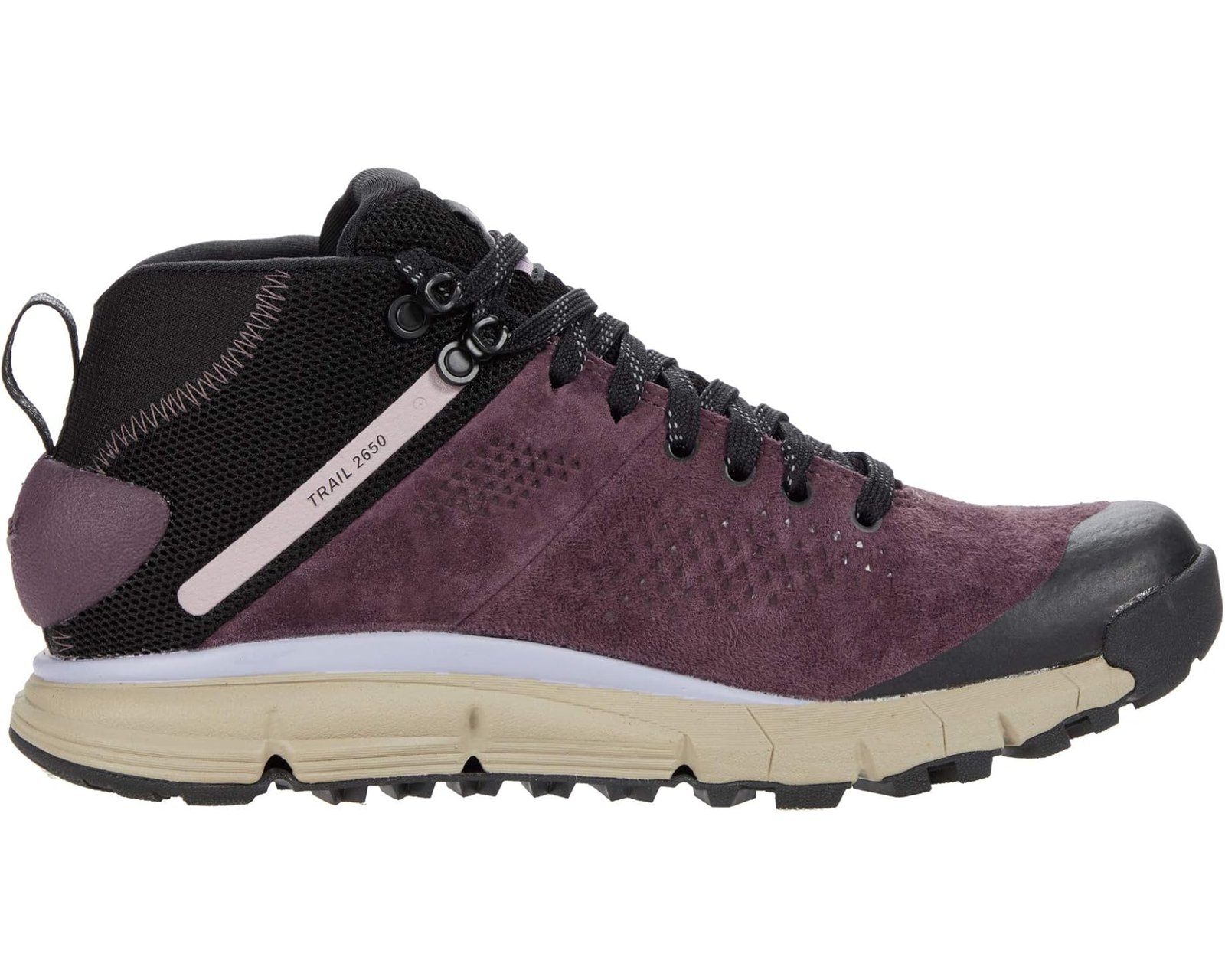
Best for high volume: Danner Trail 2650 Campo
Our Picks
Salomon Quest 4D 3 GTX (Wide) → Amazon
Wide Foot Insider
Get boot reviews & fit guides in your inbox — free
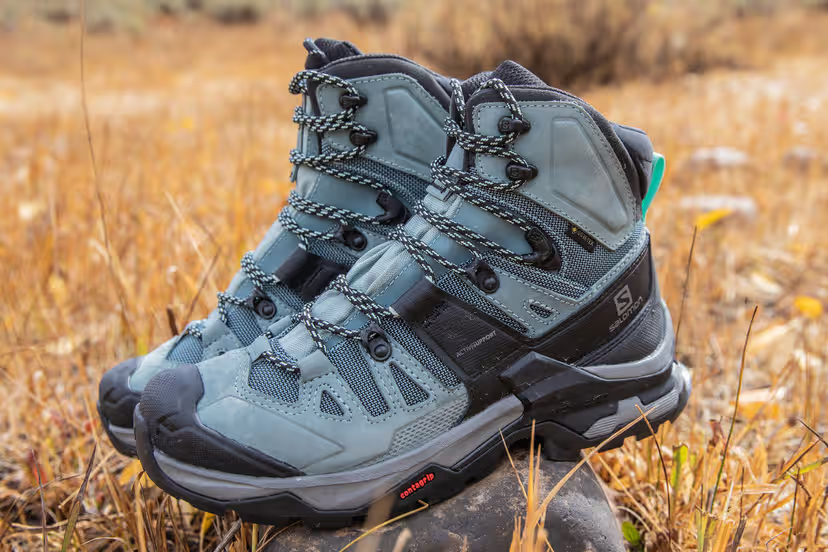
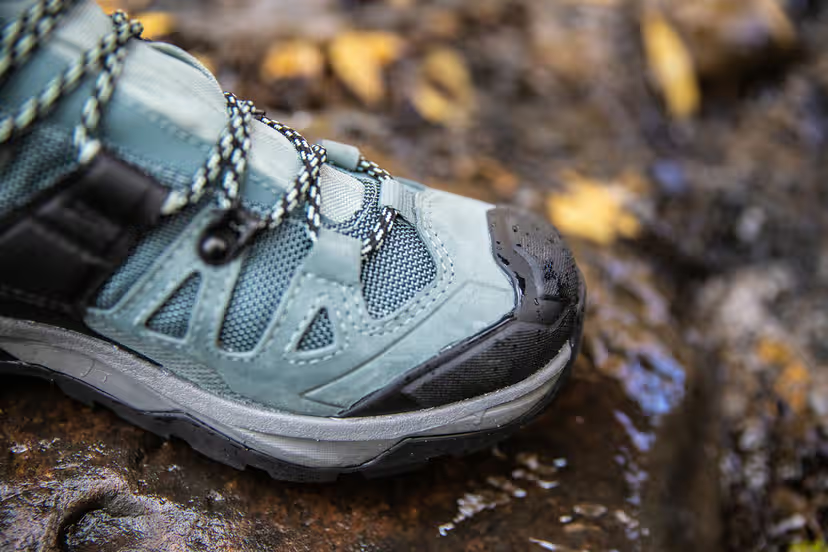
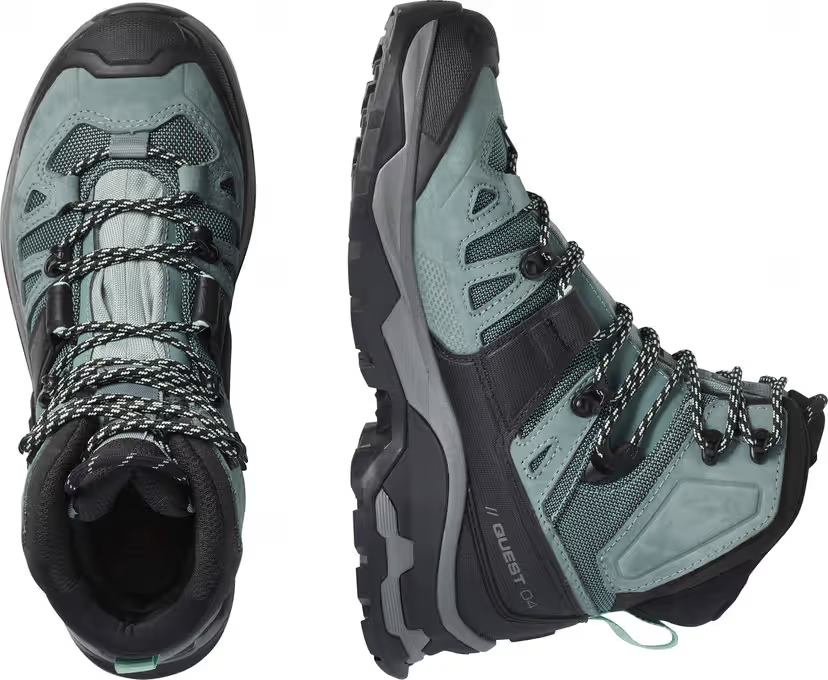
The Quest 4D is among the best boots available for arch support. The Quest 4D uses Salomon’s progressive fit that feels roomy in the toebox without sacrificing midfoot security, and the built-in arch support quite effective. These are some of Our favourite all-rounder boots that perform all year long!
Who it’s for: Serious hikers with high arches doing 8+ miles on mixed terrain who want zero adjustments mid-hike.
✅ Pros
– Aggressive ankle support without restriction
– Arch cradling that won’t collapse after mile 5
– Gore-Tex durability for nasty weather
– Heel cup locks your foot in place on descents
❌ Cons
– Stiff initial break-in (expect 2-3 hikes to soften)
– Price tag sits north of $180
– Not the lightest boots on this list
Merrell Moab 3 Peak Mid Waterproof → Amazon
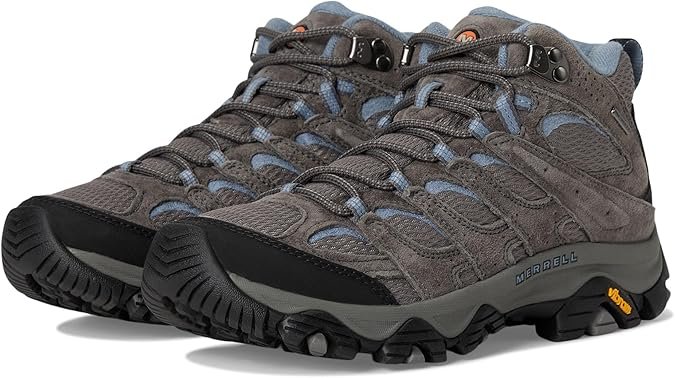
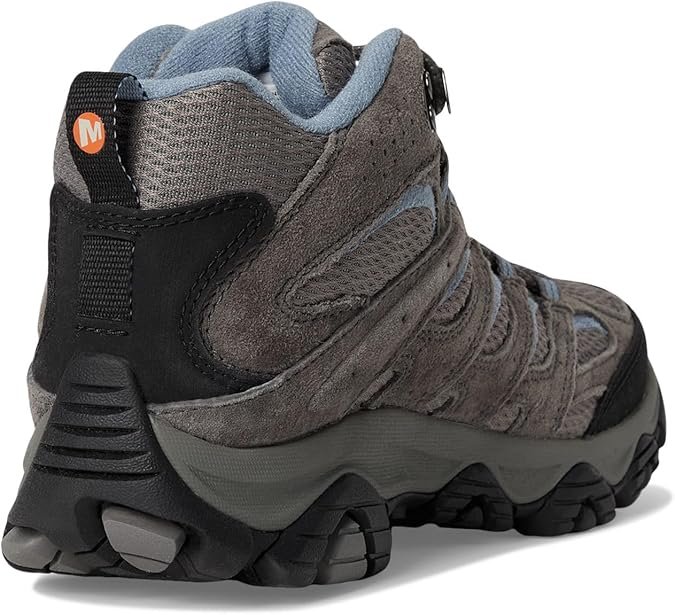
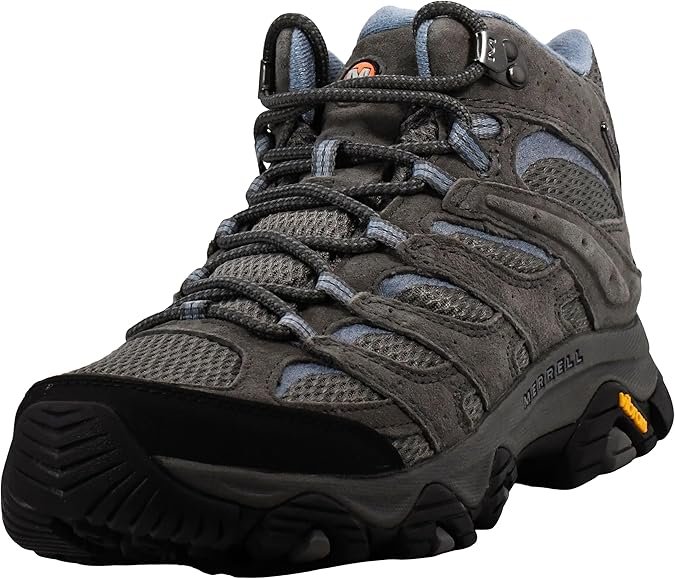
Merrell’s Moab line has long been solid for wide feet, and the Peak variant edges ahead for high-arch support. The midsole cushioning isn’t aggressive, but it’s responsive, and the foot-hugging collar keeps your arch engaged without compression. Moabs are known for having great wide foot comfort right out of the box, and you can expect them to support your arches right out of the box as well.
Who it’s for: Budget-conscious hikers doing day trips on established trails who want protective but comfortable boots.
✅ Pros
– Reasonable price under $130
– Proven Vibram outsole traction
– Wide women’s hiking boots arch support built into the shoe design, not just extra width
– Great out of the box fit and comfort
❌ Cons
– Not enough insulation for winter routes
– Midsole softness means less protection over sharp rocks
– Waterproofing can leave a bit to be desired – if you need great weatherproofing would look at GTX models
Scarpa ZG Lite → Amazon
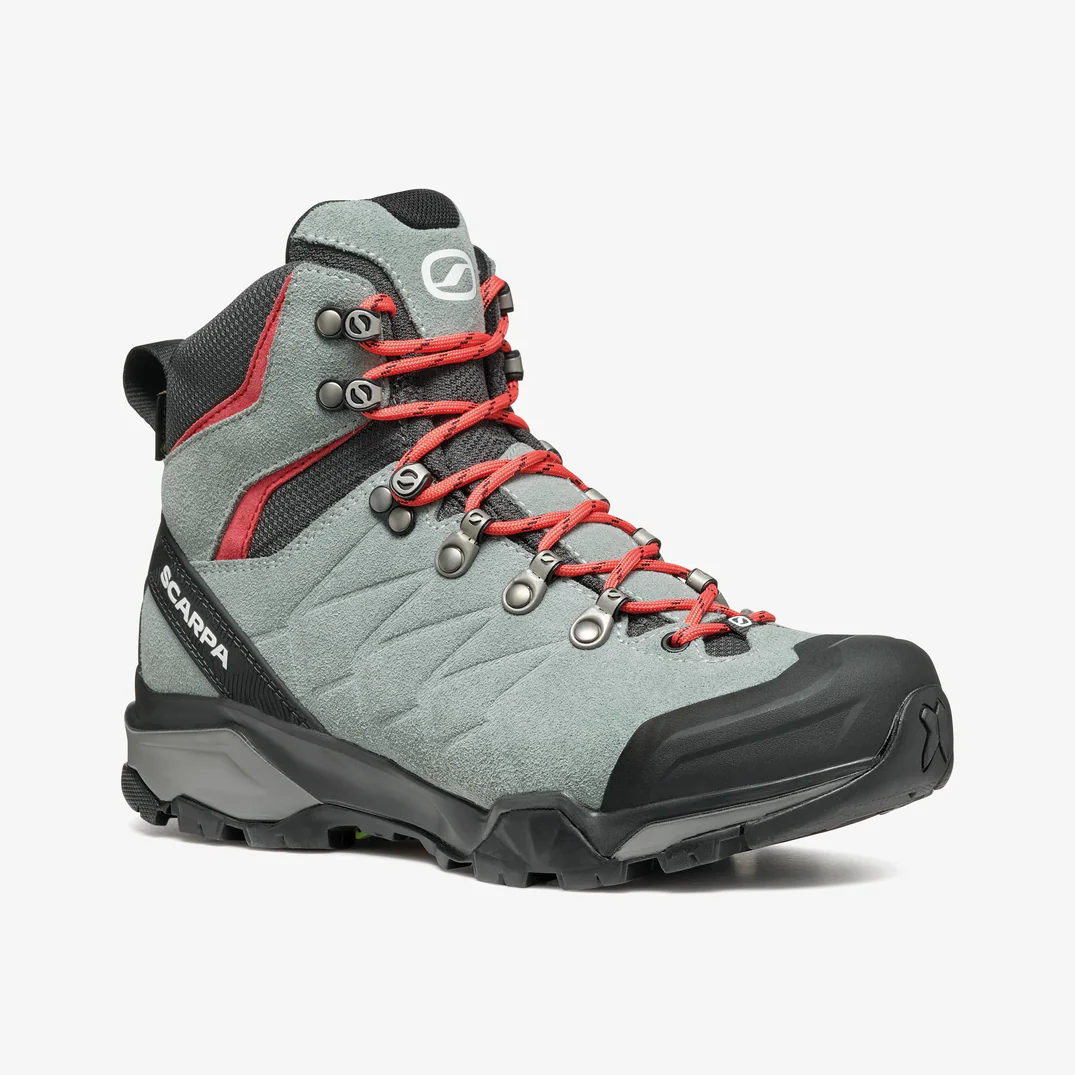
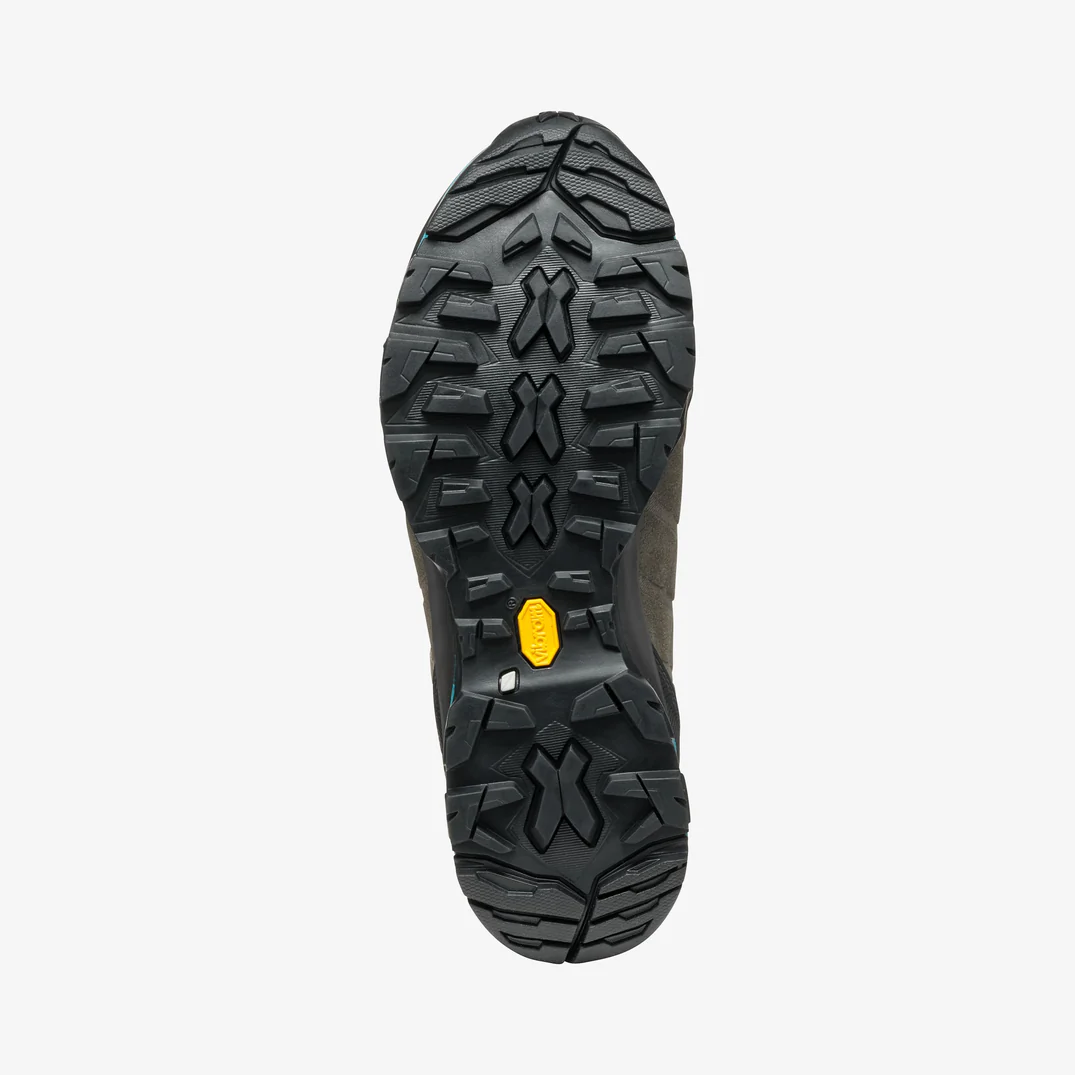
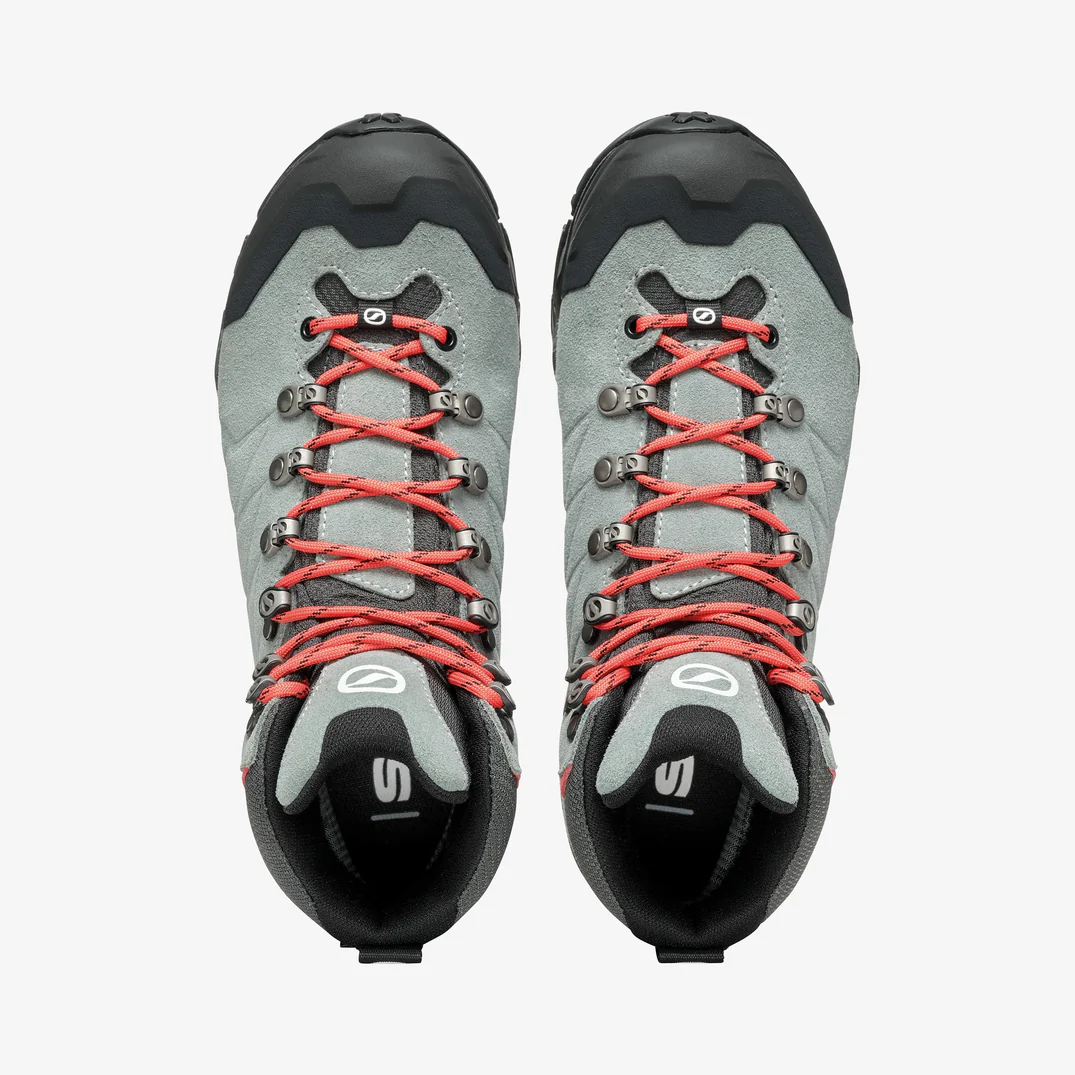
Scarpa makes boots for climbers and alpinists—people who need precision and structure. The ZG Lite translates that engineering into a hiking boot with a narrow heel cup, wide forefoot, and an arch that feels like it was built for you specifically.
Who it’s for: Women with exceptionally high arches or those returning from arch pain who need zero compromise on support structure.
✅ Pros
– European last provides high-volume forefoot without extra width at heel
– Incredibly stiff sole (great for scrambling and rocky terrain)
– Supportive hiking boots women wide width that won’t compress
– Leather uppers age beautifully
❌ Cons
– Steep learning curve—these are unforgiving until broken in properly
– No weatherproofing unless you pay premium for the Gore-Tex versions
Altra Lone Peak All-Terrain → Amazon
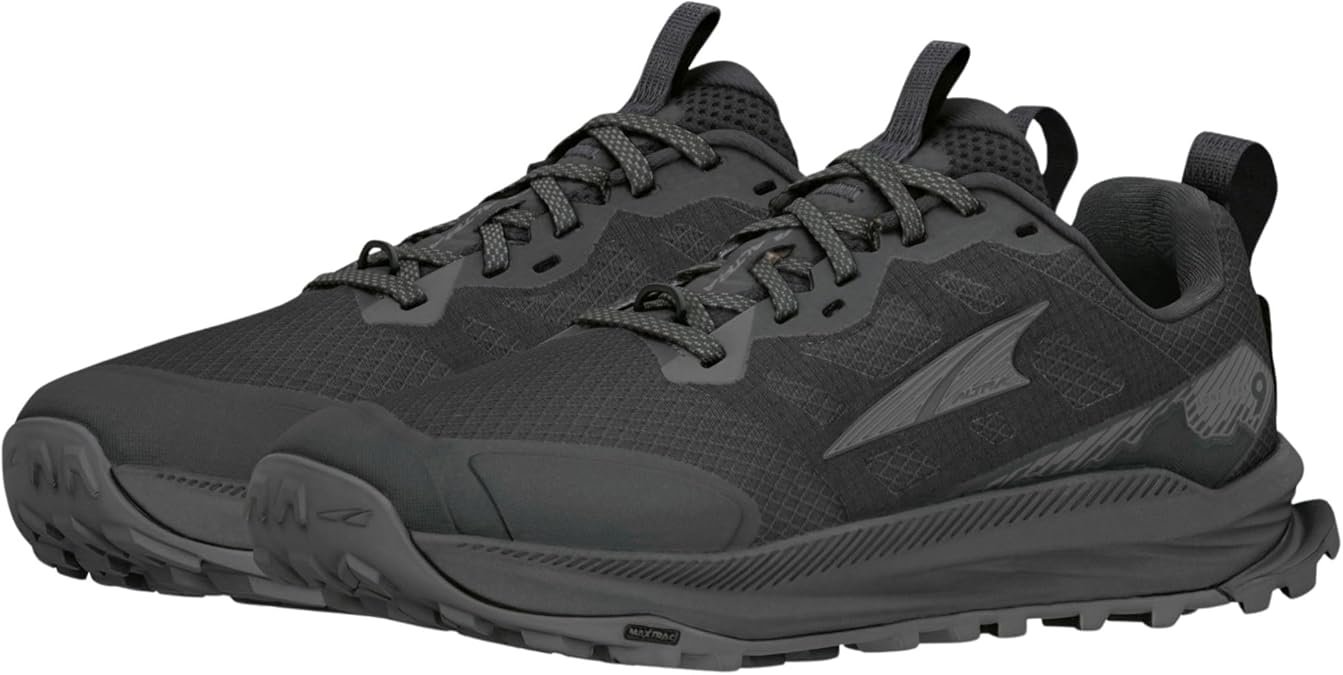
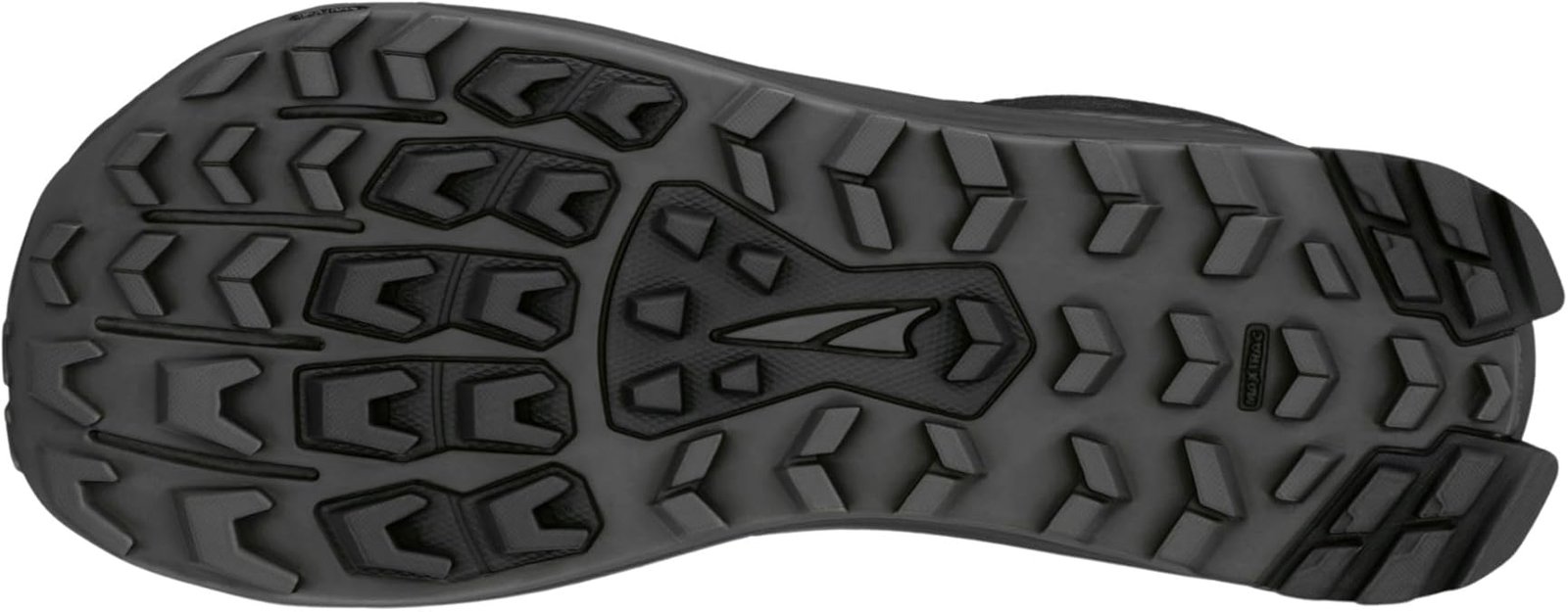
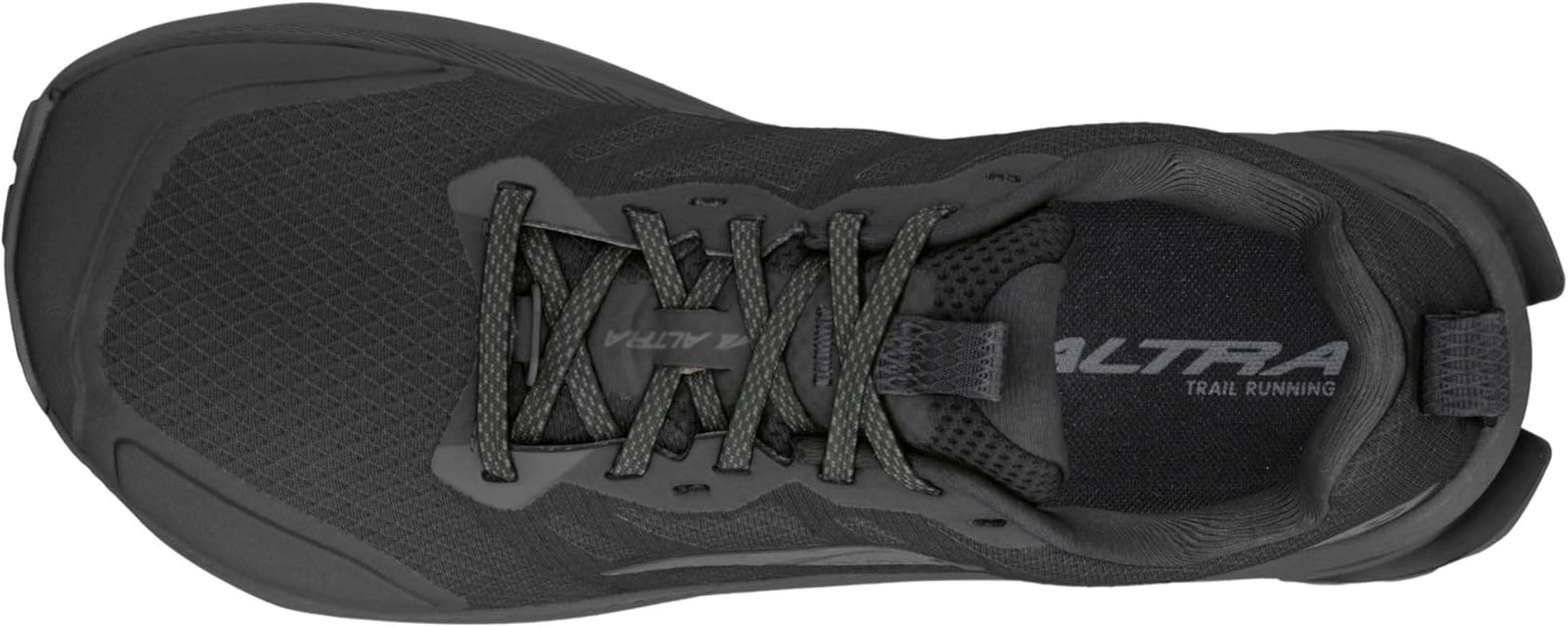
Altra’s zero-drop platform and wide toebox philosophy makes them a wild-card pick for high-arch hikers. The Lone Peak isn’t a traditional arch-support boot, but the wide foot platform and minimal drop actually reduce arch stress by letting your foot work naturally. These are ultra-light boots that are also very comfortable, we would not pass up on trying these out if you get the chance.
Who it’s for: Hikers skeptical of traditional arch support who have foot fatigue from years of over-supportive boots and want to rebuild foot strength.
✅ Pros
– wide toebox (no cheating with synthetic stretch)
– Foot-shaped last instead of wedged shaping
– Ultra lightweight for scrambling sections without sacrificing comfort
– Low heel-to-toe drop reduces Achilles tension
❌ Cons
– Requires genuine adjustment period (your feet need to relearn movement)
– Less ankle support on uneven terrain
– Lightweight and comfort come at the cost of potential durability
Danner Trail 2650 Campo → Amazon
Danner’s Trail 2650 is built for serious distance on gnarly terrain. The supportive hiking boots women wide width design prioritizes actual comfort over fashion, with a roomy midfoot, locked-in heel, and an arch support system that won’t quit.
Who it’s for: Multi-day backpackers carrying weight who need boots that perform mile 25 as well as mile 1.
✅ Pros
– Trueweight-to-durability ratio means they’ll outlast two pairs of lighter options
– Vibram Megagrip sole handles wet rock and loose scree
– Aggressive arch support that firms up on longer hikes
– Recraftable (Danner replaces soles and uppers for $80-120)
❌ Cons
– They’re heavy—expect 3+ lbs per pair
– Waterproofing requires consistent maintenance
La Sportiva Nucleo High GTX → Amazon
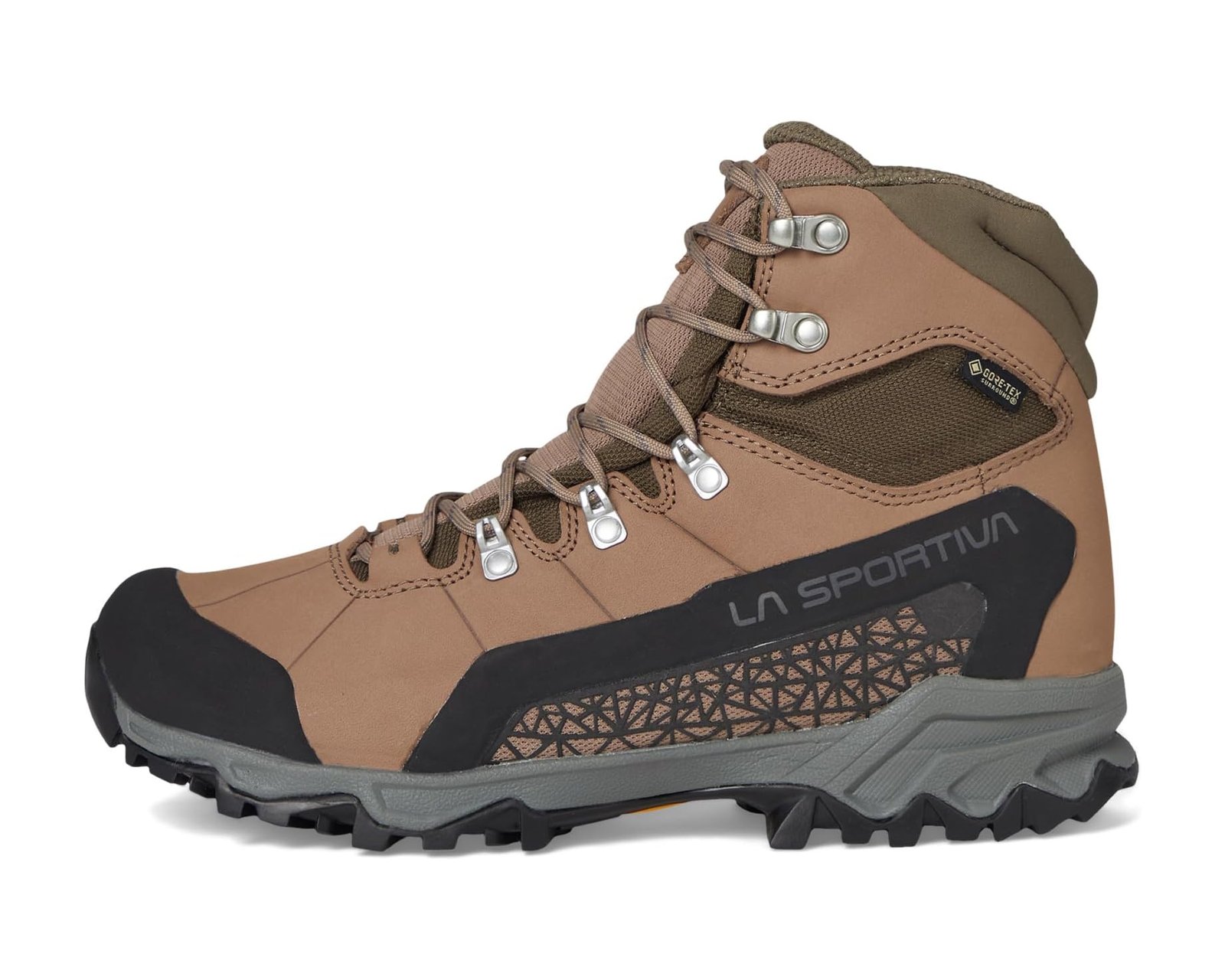
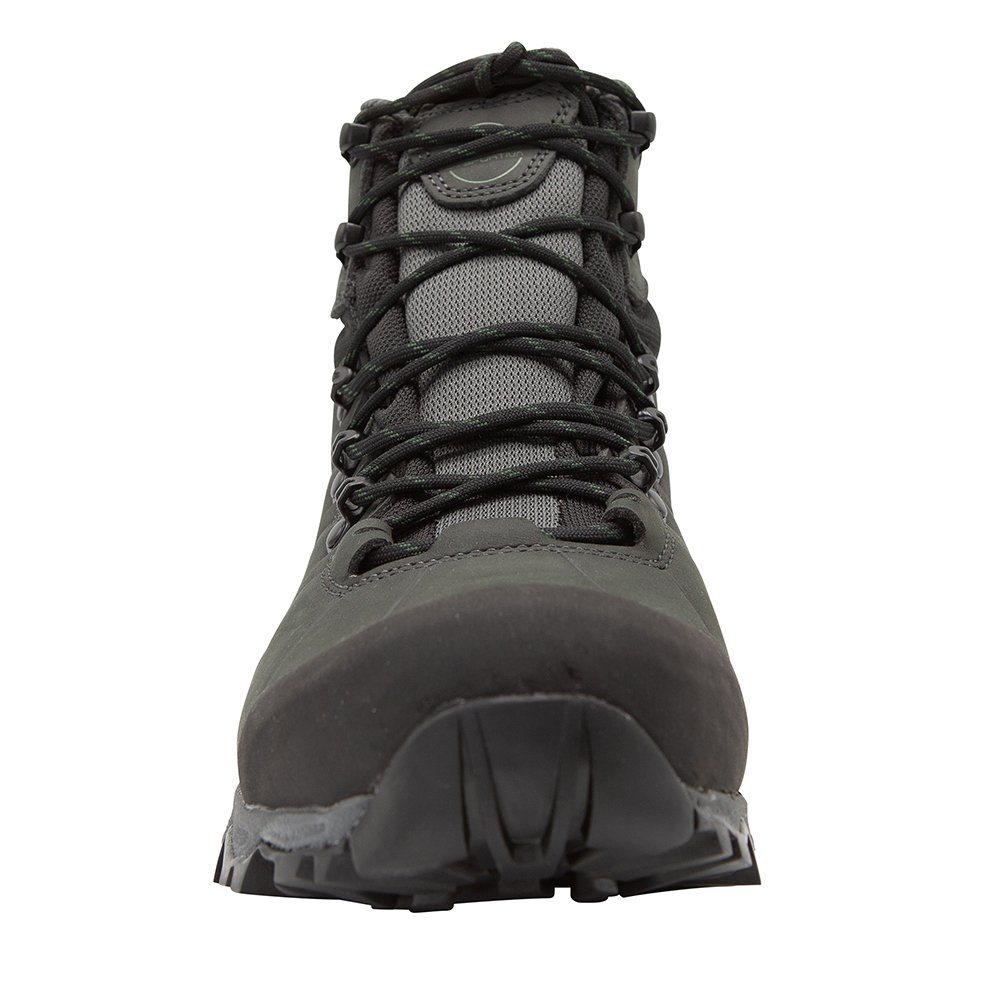
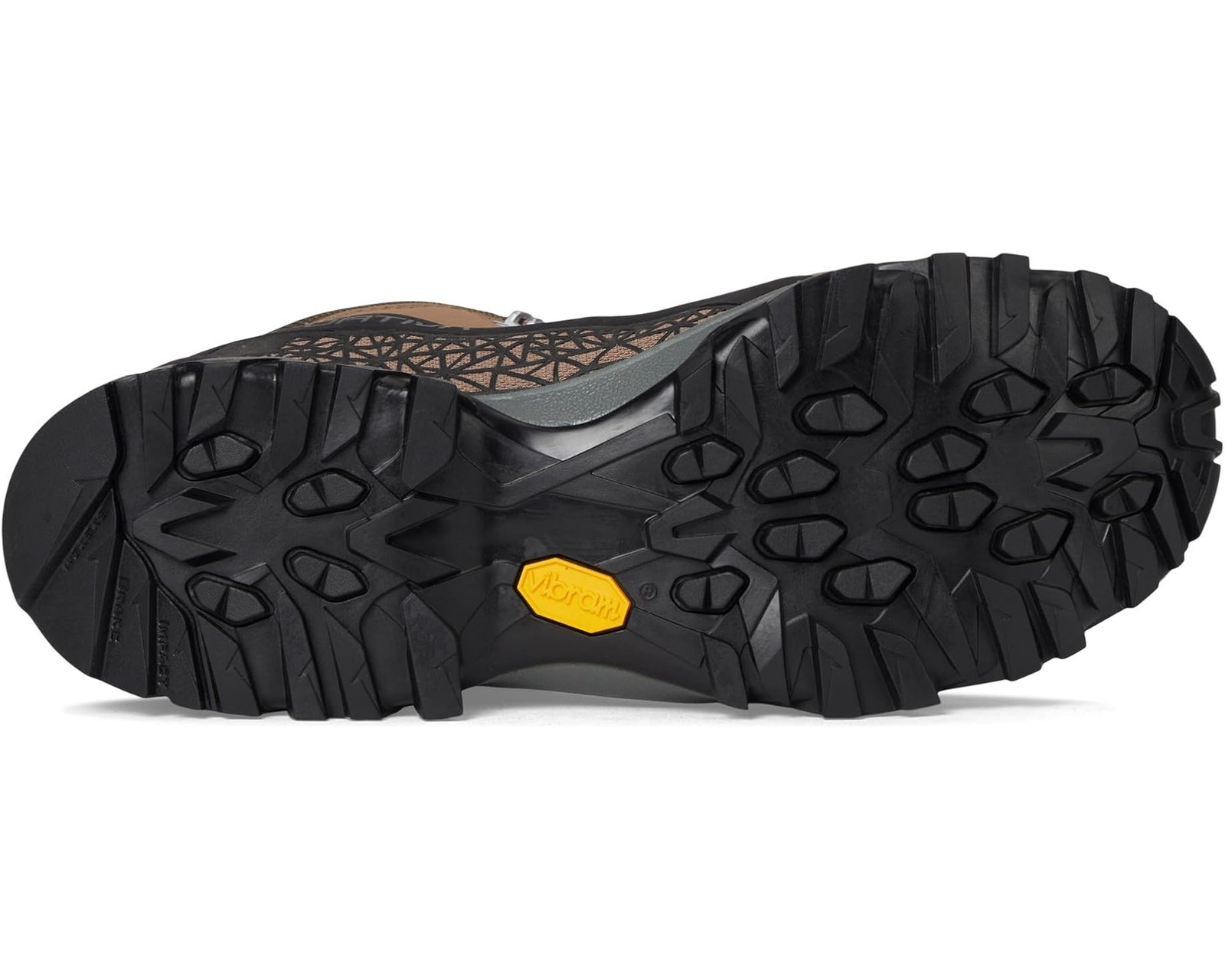
La Sportiva’s Italian engineering shows in the Nucleo—a boot that fits women’s feet correctly instead of scaling down men’s designs. The arch support comes from actual foot anatomy understanding, and the high ankle collar doesn’t create pinch points.
Who it’s for: Technical terrain hikers (scrambling, exposure) with high arches who want European precision without Scarpa’s break-in pain.
✅ Pros
– Women-specific last means proper proportions throughout
– Responsive midsole supports high arches without stiffness
– Gore-Tex keeps feet dry on glacier approach hikes
– Gusseted tongue prevents debris entry
❌ Cons
– Pricing $170+ for a specialized boot
– Narrow heel cup might need aftermarket insoles for some
Keen Targhee III Mid Waterproof → Amazon
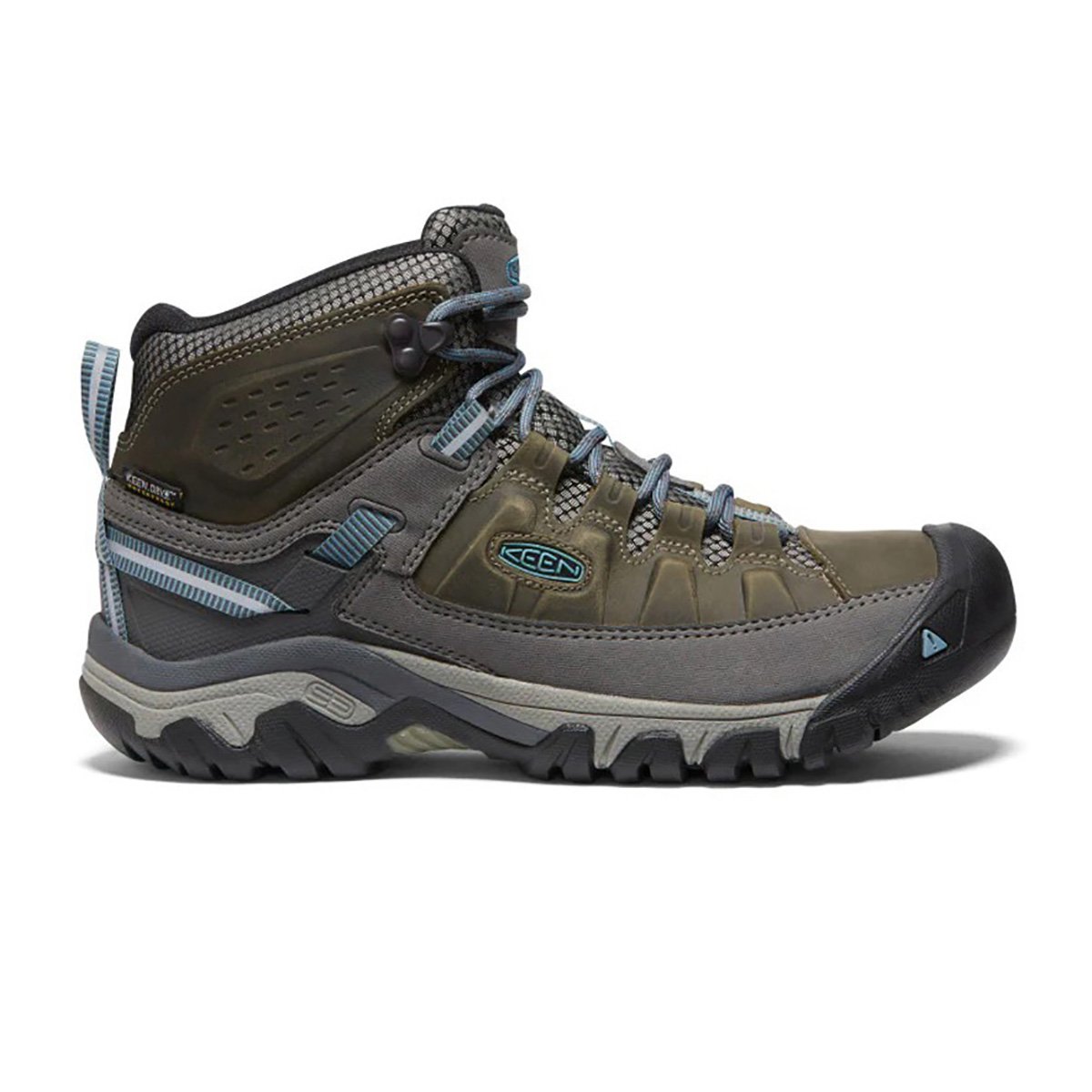
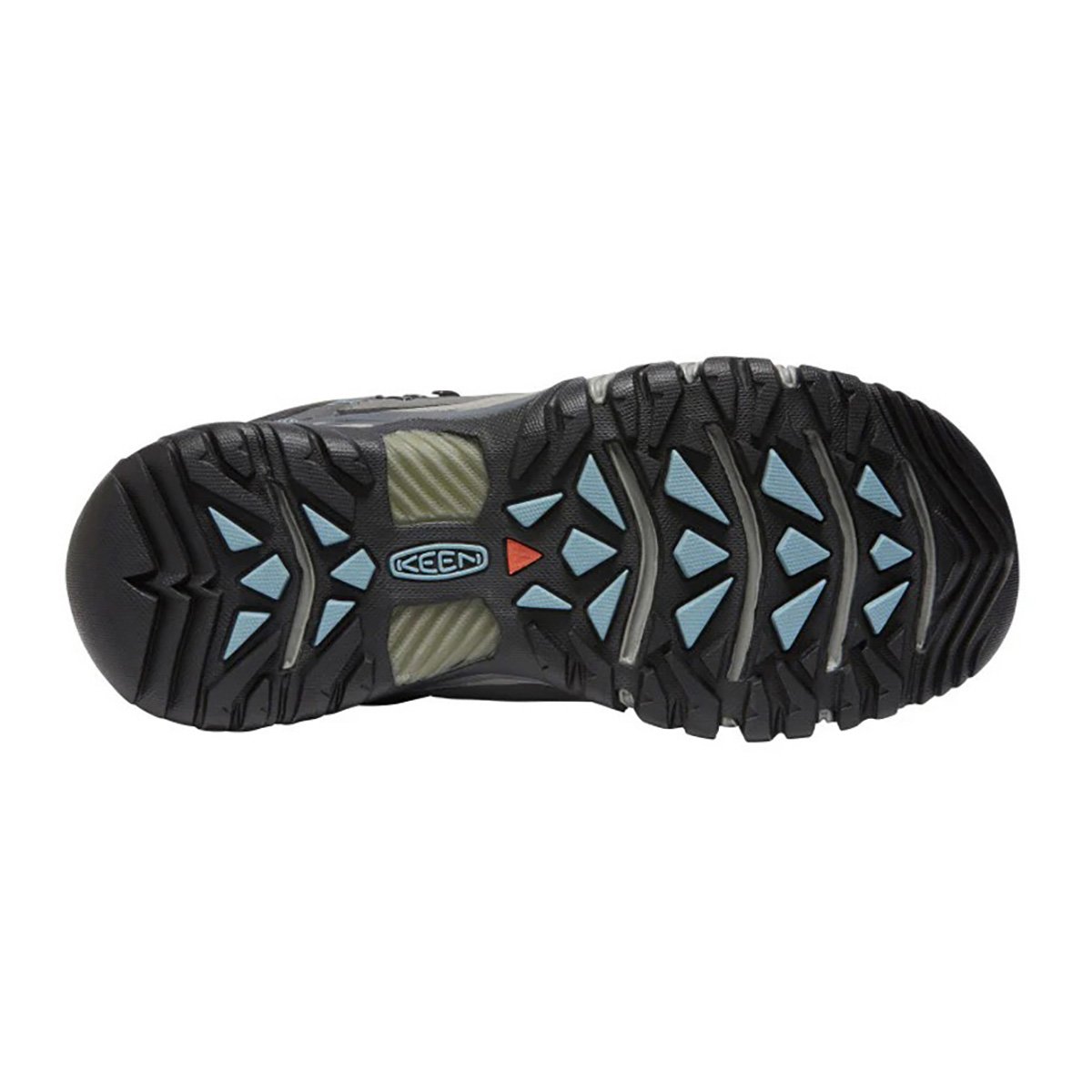
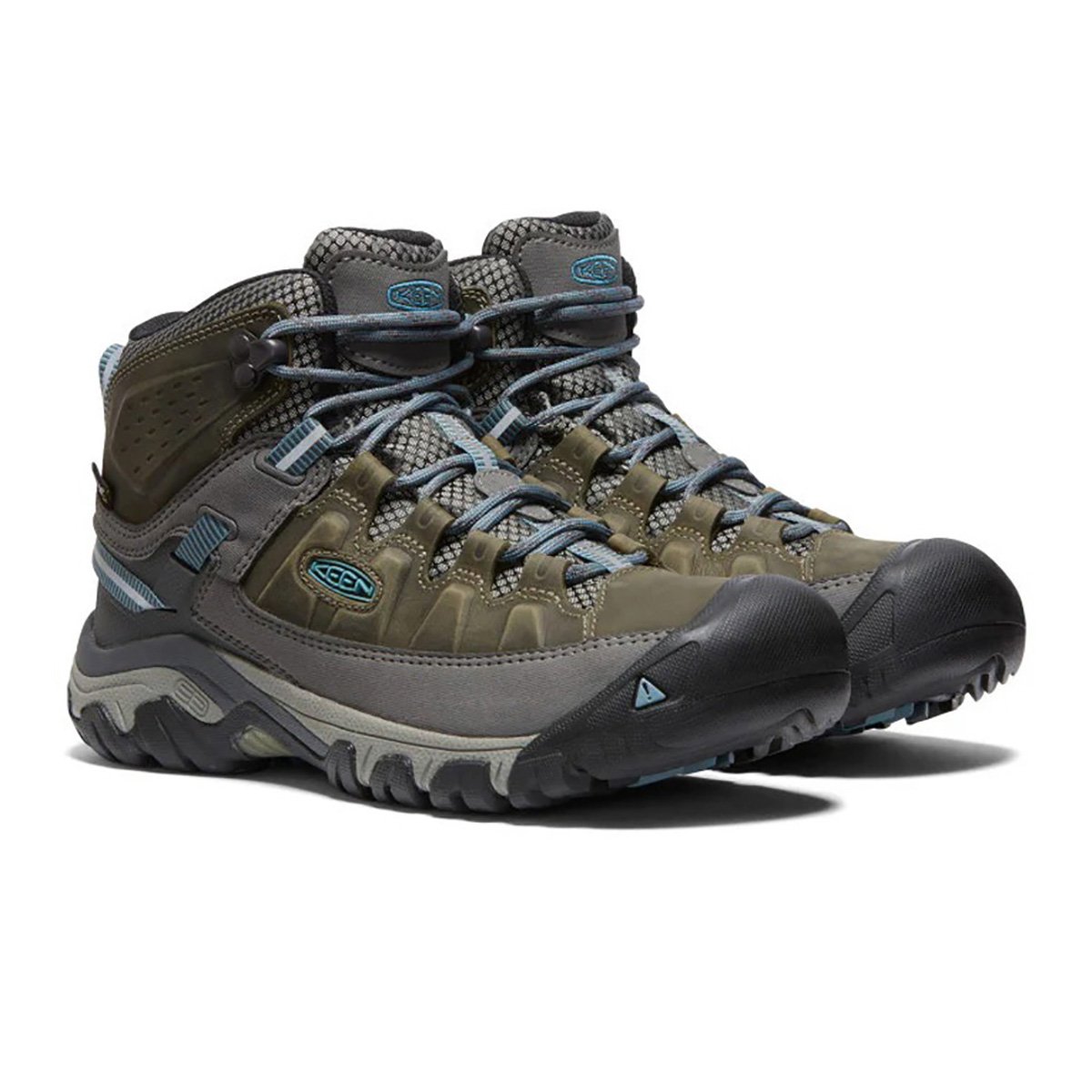
Keen’s commitment to wide fits runs deep, and the Targhee III delivers on that promise. The midfoot support isn’t extreme, but it’s consistent, and the rubber toe bumper absorbs the repeated impact that kills arches on rocky trails.
Who it’s for: Casual to intermediate hikers who want protective, forgiving boots without overthinking the setup.
✅ Pros
– Genuine wide-toe platform (not gimmicky)
– Sticky rubber outsole on wet stone
– Supportive enough for 6-8 mile day hikes
– Affordable in the $120-140 range
❌ Cons
– Midsole feels soft after heavy use
– Toe bumper adds weight and bulk
How We Chose
Wide women’s hiking boots arch support only means something if you’ve actually felt it stabilize your midfoot on mile 8 of a mountain route. we prioritized boots from manufacturers with genuine wide-fit expertise (not ones that just added mesh to a regular boot) and personally verified that “wide” actually means something in the toebox, not just extra padding that collapses after a week.
We’ve also consulted podiatric literature on high-arch biomechanics—high arches need structure, not just cushioning. That eliminated boots that looked supportive but relied on soft foam. The final list reflects boots we’d actually loan to Our wide-footed, high-arched hiking partners without apology.
Buying Guide for Wide Women’s Hiking Boots with High Arches
Toe Box Width and Forefoot Room
“Wide” boots range dramatically in how they interpret width. Some manufacturers add width only in the heel (useless). Look for boots with a wide platform across the ball of your foot—your toes should sit flat, not bent inward. The best test: wear them around the house for 30 minutes and check if your toes feel splayed or natural.
Last Shape and Arch Cup Design
The last (the form the boot is built around) matters more than width measurements. A boot with a progressive arch curve (high in the midfoot, gradual down to the forefoot) works better for high arches than boots with flat insoles padded to feel supportive. Salomon’s progressive fit and Scarpa’s mountain-specific last excel here. Check reviews mentioning “arch support” specifically—not just “comfortable.”
Break-In Time and Material Flexibility
Supportive boots often feel stiff fresh from the box. High-quality leather and reinforced synthetic uppers need 2-4 wears to mold to your foot. Budget boots (under $100) might feel rigid permanently. We recommend 2-3 short neighborhood hikes (1-2 miles) before committing a boot to an 8+ mile trail. Waterproof boots generally break in slower than non-waterproof versions.
Heel Cup Lock and Ankle Support
Wide feet sometimes slip in the heel cup even when toebox width is adequate. Look for boots with a defined heel counter (you should feel a raised edge) and a gusseted tongue that prevents side-to-side slop. High arches + loose heels = blisters guaranteed. Test this in-store by loosening laces and walking downhill—your heel should stay planted.
FAQ
What’s the difference between high arch support and regular arch support in hiking boots?
High arch support boots have a more aggressive midfoot curve that cradles the arch’s natural peak. Regular support feels flatter. For high arches, aggressive matters—your foot naturally tries to collapse the arch on long hikes, and proper support prevents that compensation pain.
Can I use custom orthotics with wide hiking boots?
Yes, but remove the factory insole first. Most boots listed here have removable insoles. Superfeet or custom orthotics add 0.5-1 inch to insole depth, so size your boots slightly loose to accommodate. Danner, Scarpa, and Salomon insoles tend to be thinner than competitors, leaving room for upgrades.
How often should I replace hiking boots with high arch support?
Expect 400-600 miles for most boots on this list. High arches create more midfoot stress, so replace insoles annually if you hike 100+ miles per year. Resoleable boots (Danner, Scarpa) are worth the upfront cost.
Are there wide hiking boots that don’t require break-in?
Merrell Moab and Keen Targhee require minimal break-in (1-2 wears). Everything else on this list needs 3+ miles of adjustment. That’s not bad—it’s just reality with structured, supportive boots. Rush the break-in and your feet will remind you why structure matters.
Should I size up in wide hiking boots for thick socks?
Counterintuitively, no. Size for your foot, then choose socks accordingly. Oversized boots = heel slipping = arch strain. Merino wool hiking socks (Smartwool, Darn Tough) are thick enough without adding boot size. Test your final fit wearing the socks you’ll actually hike in.
Verdict
Finding supportive hiking boots women wide width that actually deliver for high arches requires testing and specificity—you can’t just grab whatever’s on the clearance rack. The Salomon Quest 4D 3 GTX in Wide remains the most common because the progressive arch support and locked-down heel work on everything from day hikes to multi-day routes, and the wide platform doesn’t sacrifice performance. If that’s out of budget, the Merrell Moab 3 Peak delivers 80% of the performance at half the price. Your feet carry you up mountains. They deserve boots that actually fit.