Best Hiking Boots For Women With Wide Feet Under 150
The Problem

Finding hiking boots that fit wide feet without spending $250+ is like searching for a trail that’s both flat and scenic — theoretically possible, but you’ll waste hours and blisters before you find it. Most mainstream brands compress wide feet narrower, leaving your toes crying by mile two and the bottom of your feet sore for days after the hike.
To that end, we’ve compiled a list of some of the absolute best boots that you can get for under $150 — these are boots that have been worn and tested by myself or friends of mine on several trails and multi-day trips here in the Pacific Northwest, in all types of weather.
Quick Answer Box
Our Top Pick: Merrell Moab 2 Vent (Wide)
Check Price on Amazon →
Best Budget: KEEN Targhee III Waterproof (Wide)
Check Price on Amazon →
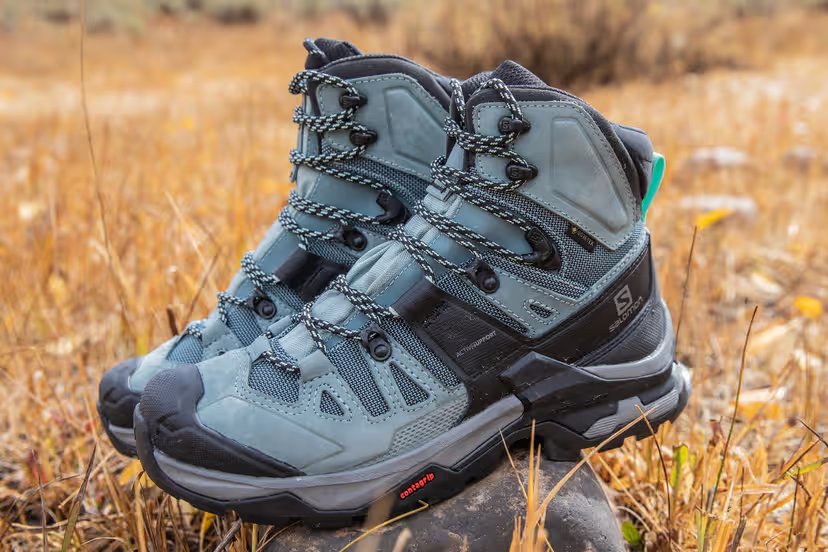
Best for Technical Trails: Salomon Quest 4D 3 GTX (Wide)
Check Price on Amazon →
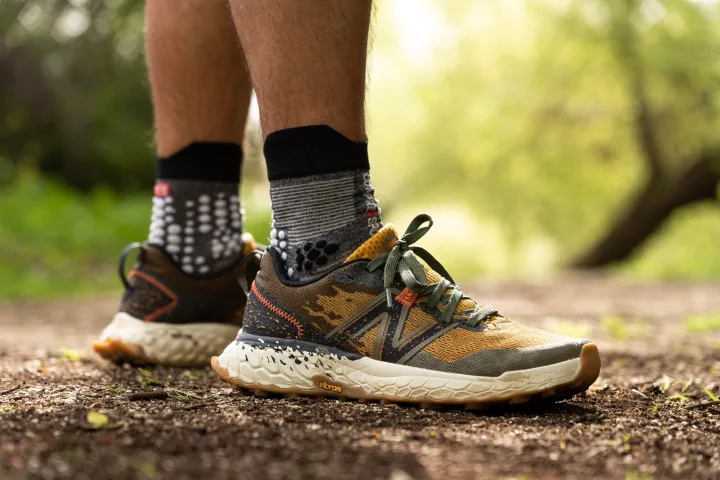
Best for Comfort Right Out of the Box: New Balance Fresh Foam Hierro v7 (Wide)
Check Price on Amazon →
Our Picks
Wide Foot Insider
Get boot reviews & fit guides in your inbox — free
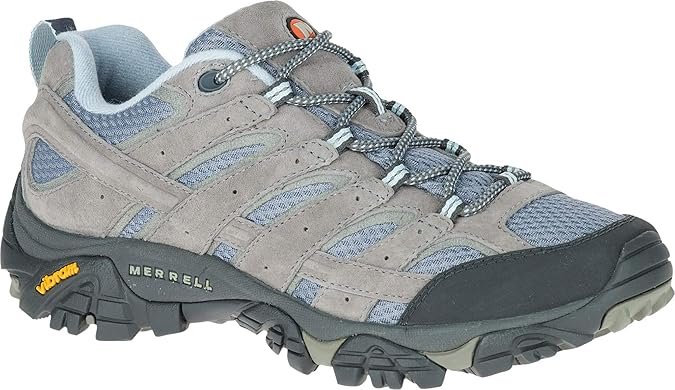
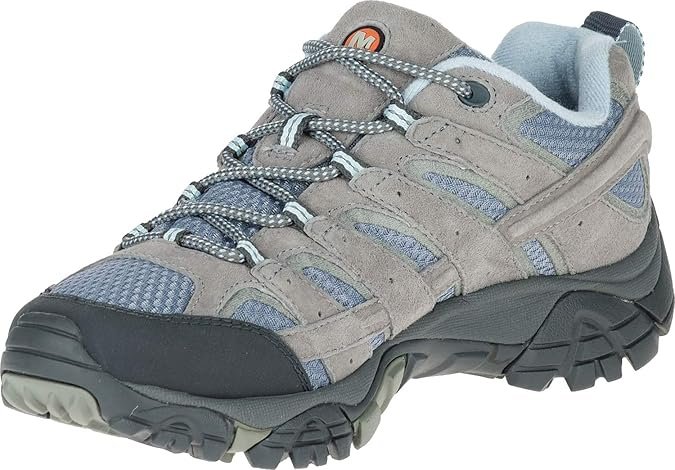
Merrell Moab 2 Vent (Wide) Check Price on Amazon →
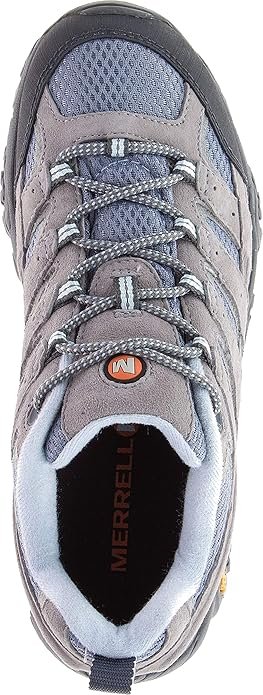
🏅 Merrell Moab 2 Vent (Wide) — BroadToeBox Score
9.0
8.5
3.0
7.5
9.0
9.0
The Moab 2 is the workhorse of wide-foot hiking. These are some of the best fitting and most comfortable hiking boots straight out of the box, especially if you have wider feet. They live up to their name with excellent ventilation and are a great go-to choice for the dry months of the year. Their great ventilation, however, comes with a caveat: they are not the greatest in rainy or muddy trails and can be prone to getting your feet soaked.
Who it’s for: Day hikers and backpackers who need a reliable, lightweight boot that doesn’t sacrifice width for performance. Great summer boot or if you live in a drier climate.
- Genuine wide last that is among the best fitting in this list — doesn’t feel like a normal boot stretched sideways
- Vibram sole grips wet rock and roots better than most competitors at this price
- Under $120 on sale; often found as low as $95
- Very poor wet weather performance — would not recommend for rainy trails or trails with rivers for extended periods
- Some users report the heel cup can feel loose after 200+ miles
KEEN Targhee III Waterproof (Wide) Check Price on Amazon →
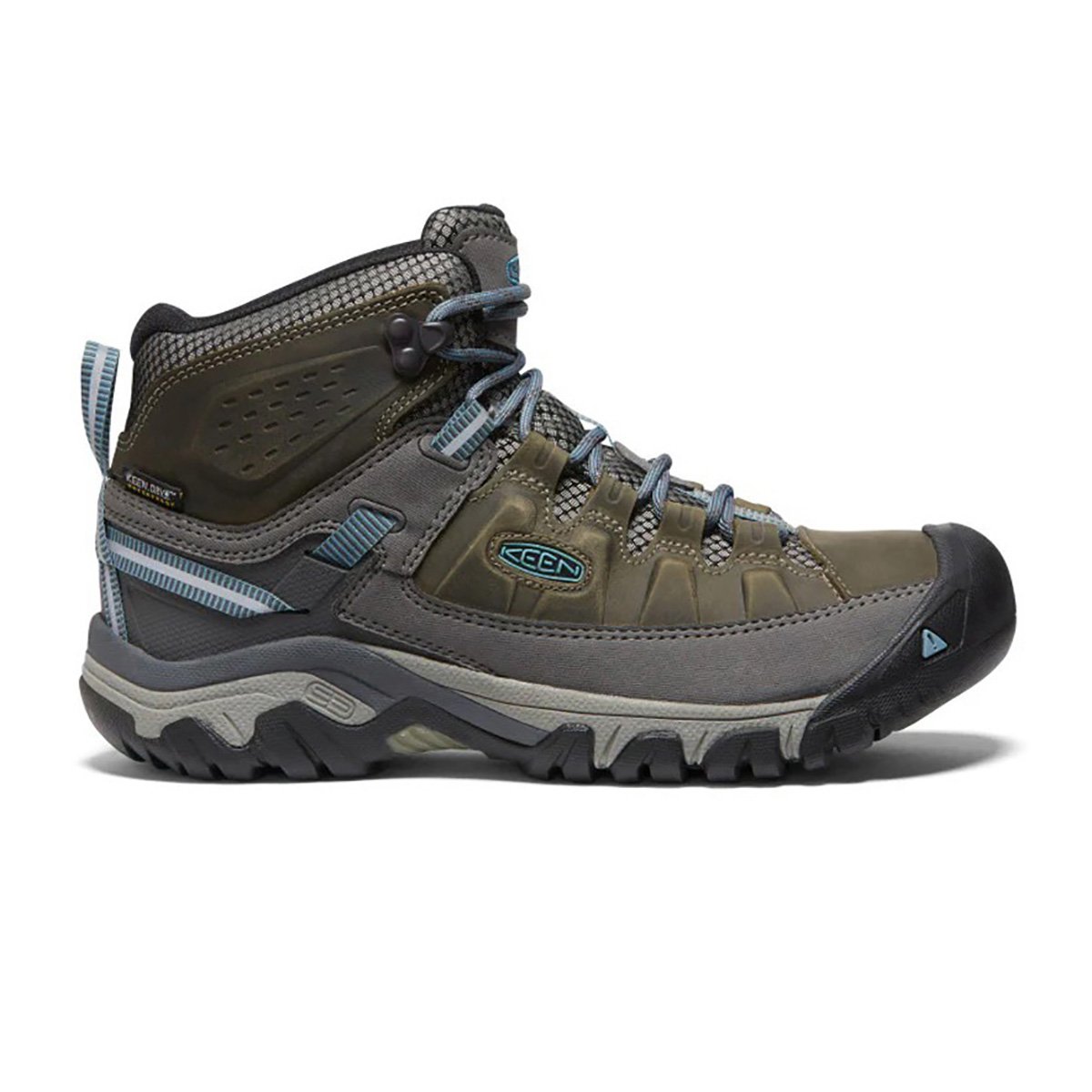
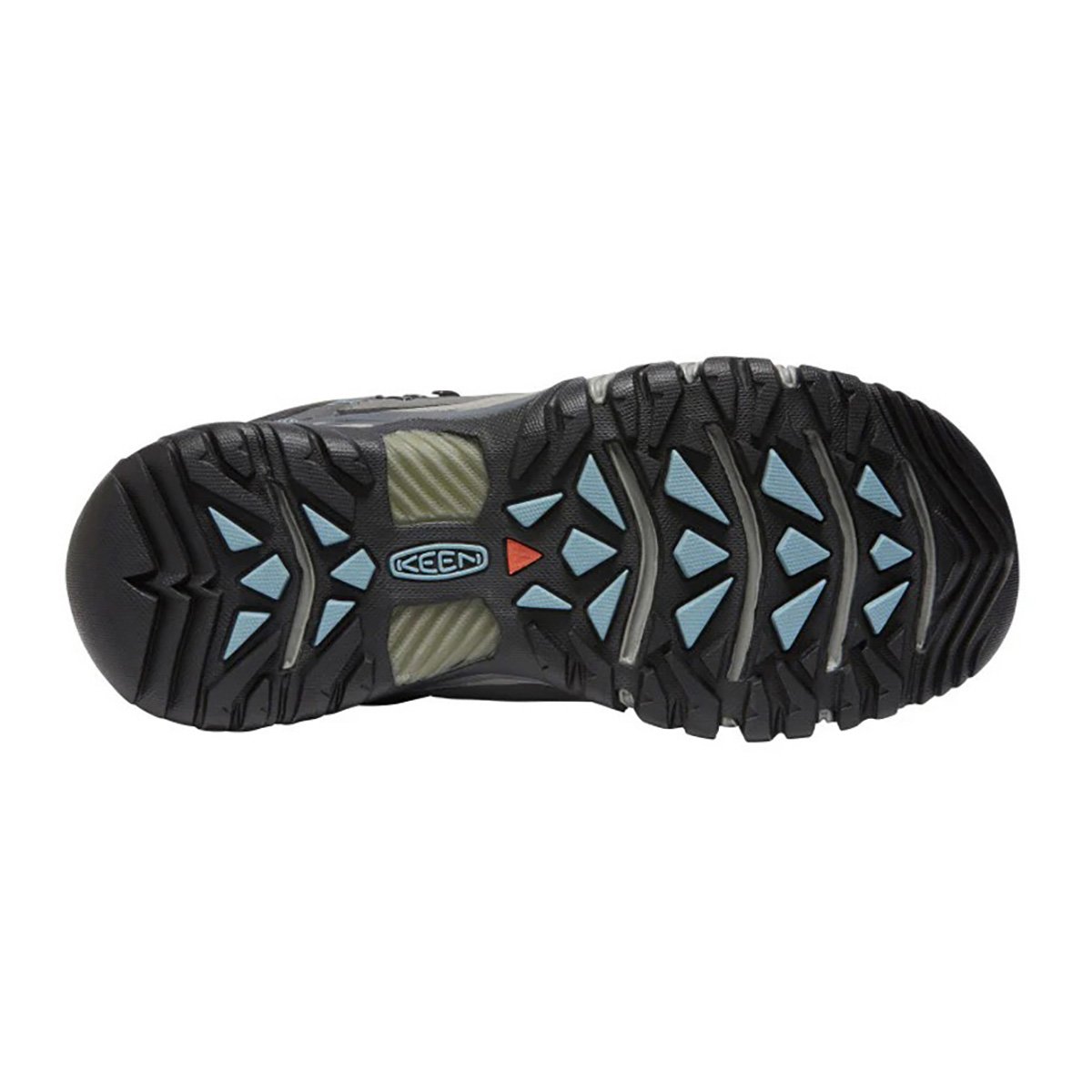
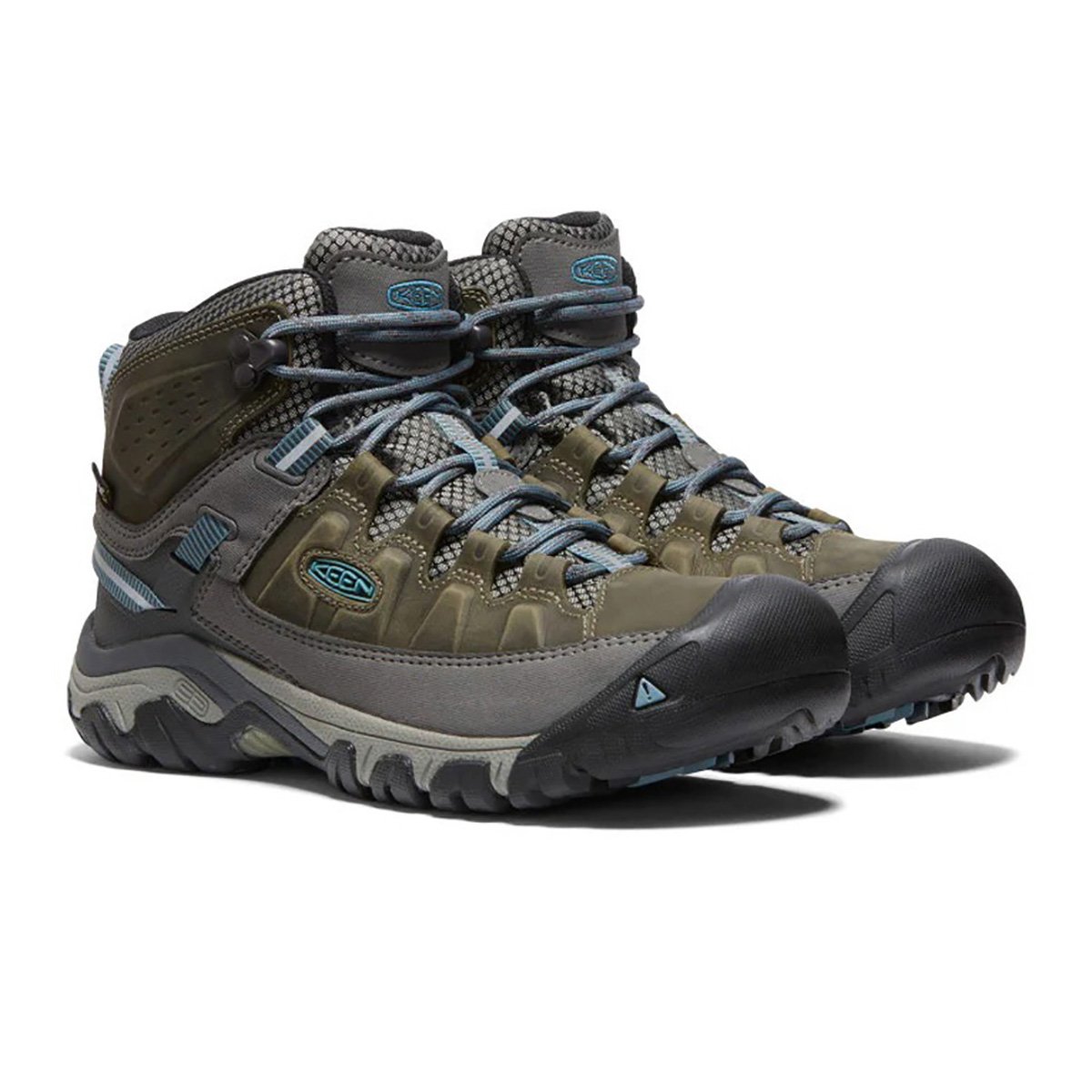
🏅 KEEN Targhee III Waterproof (Wide) — BroadToeBox Score
9.0
8.5
8.0
5.5
8.0
4.5
KEEN’s wide sizing is surprisingly generous and combined with their lighter weight, these are a great all-weather alternative to the Moab 2s. For fully waterproofed boots, our team loves KEEN as a wide-fit premium-feeling option without commanding a premium price, while still being a brand with known outdoor heritage. Get these if you don’t mind sacrificing breathability for a boot that can be worn all year.
Who it’s for: Hikers in wet climates who need bulletproof waterproofing and don’t mind a slightly stiffer boot.
- KEEN’s proprietary toe cap is wide and very comfortable
- Keen.Dry (KEEN’s proprietary waterproof membrane), while not Gore-Tex, does 90% of the job at 70% of the price
- Aggressive tread pattern excels on loose scree and muddy descents
- Very durable, especially for lighter-weight boots
- Needs a solid 5–7 day break-in period — expect blisters if you jump into 10 miles immediately
- Heavier than uninsulated competitors (about 1.5 lbs per boot)
- Ankle support is lacking — you may also find they lack arch support
Salomon Quest 4D 3 GTX (Wide) Check Price on Amazon →
🏅 Salomon Quest 4D 3 GTX (Wide) — BroadToeBox Score
7.5
9.0
9.5
8.5
7.0
8.0
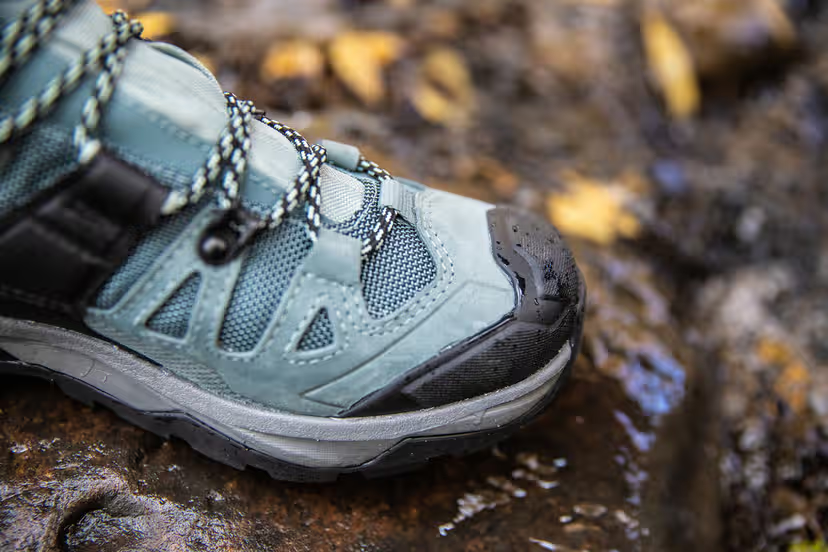
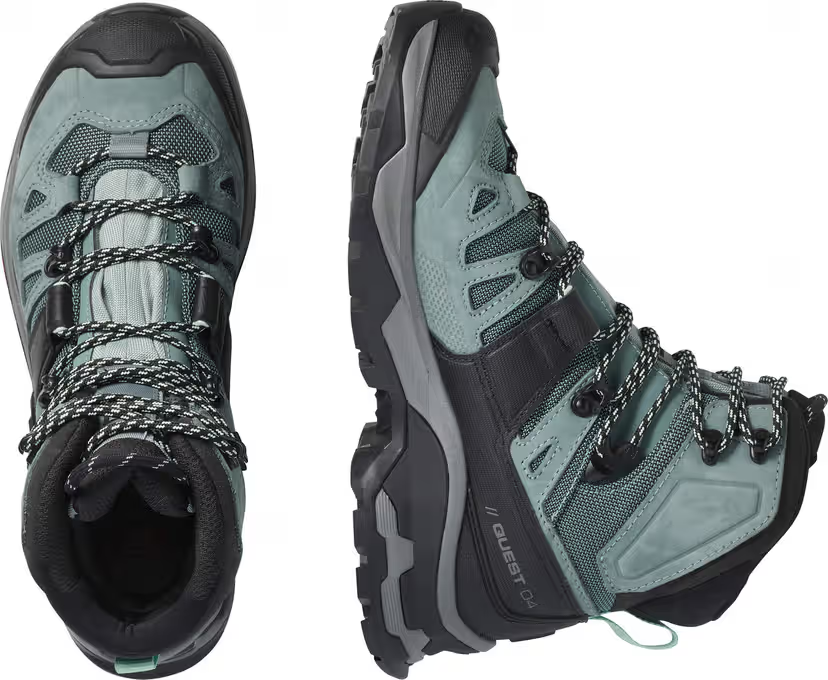
This is the technical boot that proves you don’t need to spend $300 for serious performance. The Quest 4D’s gait control keeps your foot stable on scrambles and rocky ridges, and the wide version actually respects your foot width instead of cramping it. These boots run a bit more expensive than some others on this list — they’re Salomons, after all — but the premium Gore-Tex lining keeps water out while letting sweat escape. We recommend trying to find these on sale; they often dip below $150.
Who it’s for: Hikers tackling steep terrain, scrambles, and multi-day trips who need ankle support and precision footwork, with best-in-class weatherproofing and breathability.
- Closest thing to a climbing shoe for hiking — great precision on technical ground
- The wide last doesn’t sacrifice the gait control that makes Salomons legendary
- Break-in is surprisingly mild for a technical boot (2–3 hikes max)
- Gore-Tex lining provides full weather protection while remaining breathable
- Not ideal for pure trail running or fast-packing — the ankle support feels restrictive at high speeds
- Slightly narrower than KEEN’s wide sizing (more of a medium-wide than extra-wide)
- A bit burly at ~3 lbs a pair — definitely not trail runners
New Balance Fresh Foam Hierro v7 (Wide) Check Price on Amazon →
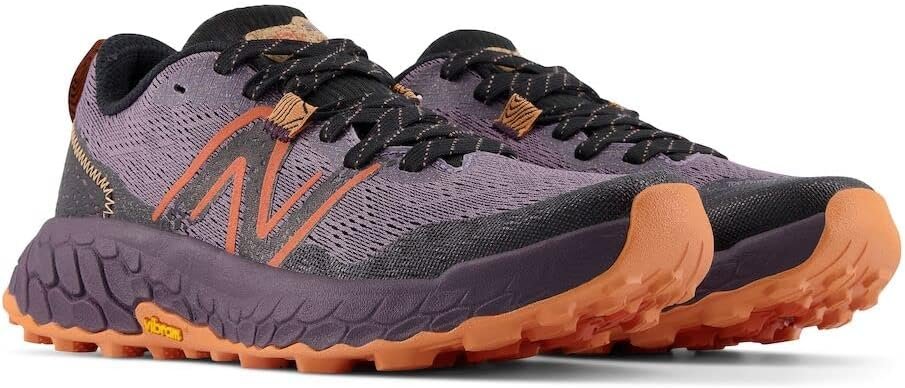
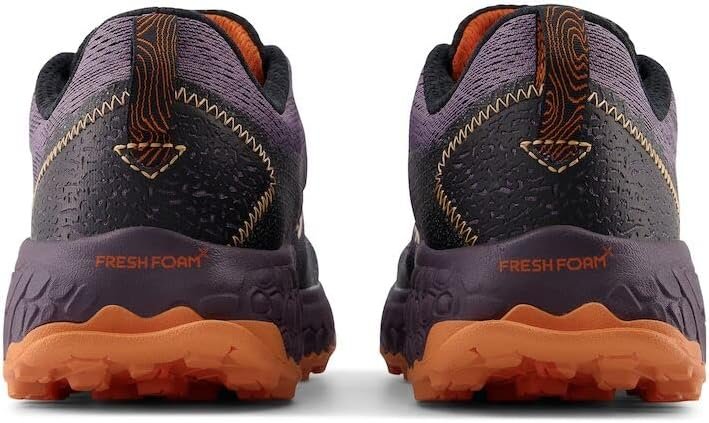
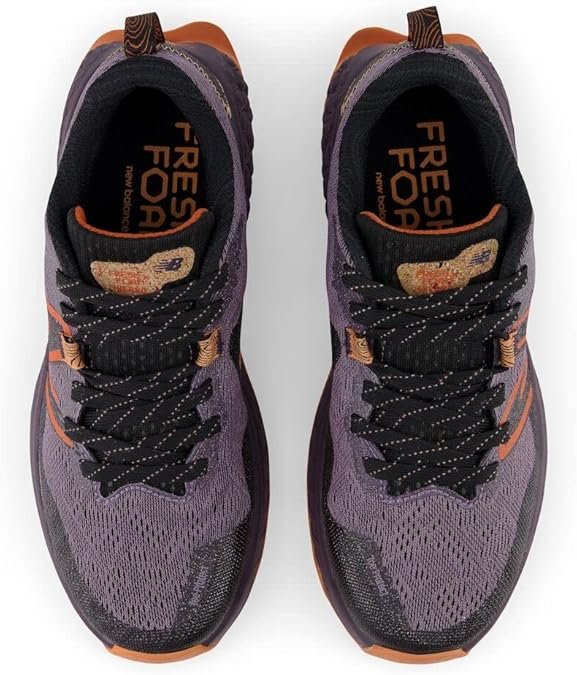
🏅 New Balance Fresh Foam Hierro v7 (Wide) — BroadToeBox Score
8.5
7.5
3.0
6.0
8.5
9.0
New Balance has been quietly killing it in the trail running space, and the Hierro v7 is proof. These are fantastic trail runners whose wide sizing works well with orthotics and especially for those of us with toe splay. While they’re not full hiking boots, they work very well for day trips or fast scrambles.
Who it’s for: Hikers with sensitive knees or who’ve had foot pain on traditional boots; runners looking for a trail runner that accommodates wider feet and foot conditions.
- Unreal cushioning for a variety of terrain types from road to trail
- Lightweight enough for day hikes but supportive enough for backpacking
- The wide sizing is fantastic for a variety of foot shapes
- Softer midsole means less precision on technical terrain — you’ll feel rocks underfoot more
- Not very water resistant — would avoid wearing these during inclement weather
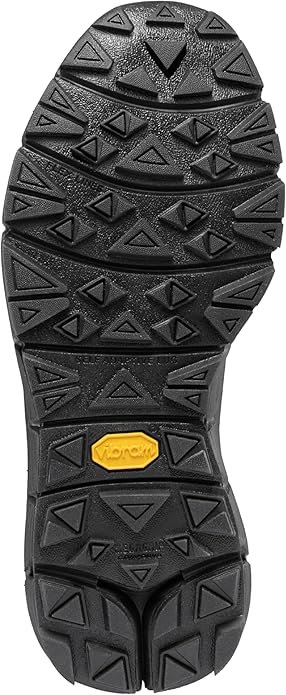
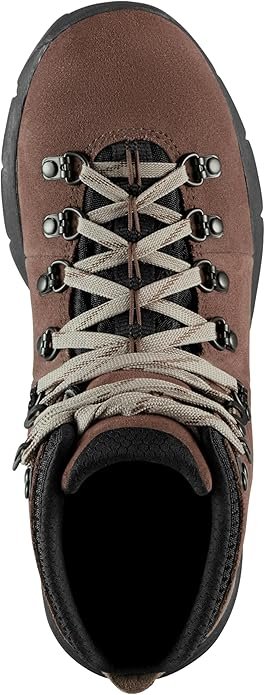
Danner Womens Mountain 600 (Wide) Check Price on Amazon →
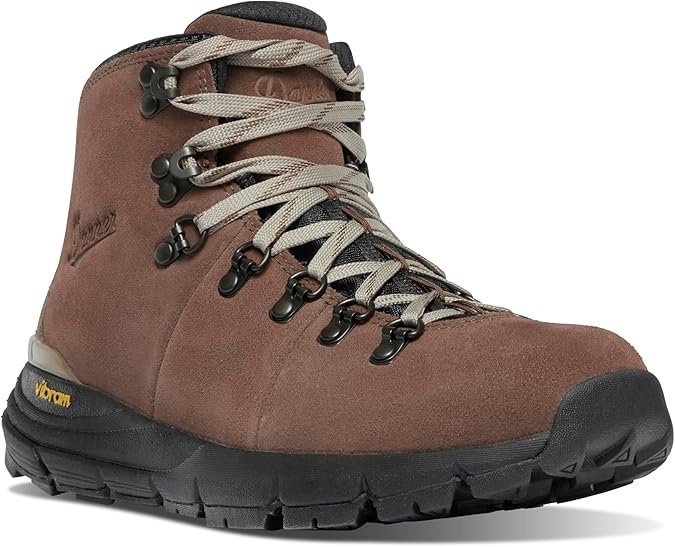
🏅 Danner Womens Mountain 600 (Wide) — BroadToeBox Score
8.5
9.0
9.0
8.5
8.5
2.5
Danner’s heritage is serious hiking boots for serious hikers, and the Mountain 600 brings that pedigree to women’s wide sizes. The leather upper is built to last — there are plenty of stories of people still hiking in their 10-year-old pairs — and the Vibram sole is legendary for durability. This is investment-grade at budget pricing.
Who it’s for: Hikers who plan to own these boots for a decade and don’t mind a longer break-in for legendary durability.
- Leather upper actually molds to your foot after 50–100 miles, creating a custom fit
- The Vibram sole lasts 1,000+ miles without significant wear
- Fully waterproof with proven seam sealing that doesn’t fail
- Break-in is brutal — plan for blisters on hikes 1–5
- Heavier and stiffer than modern alternatives — takes time to flex into comfort
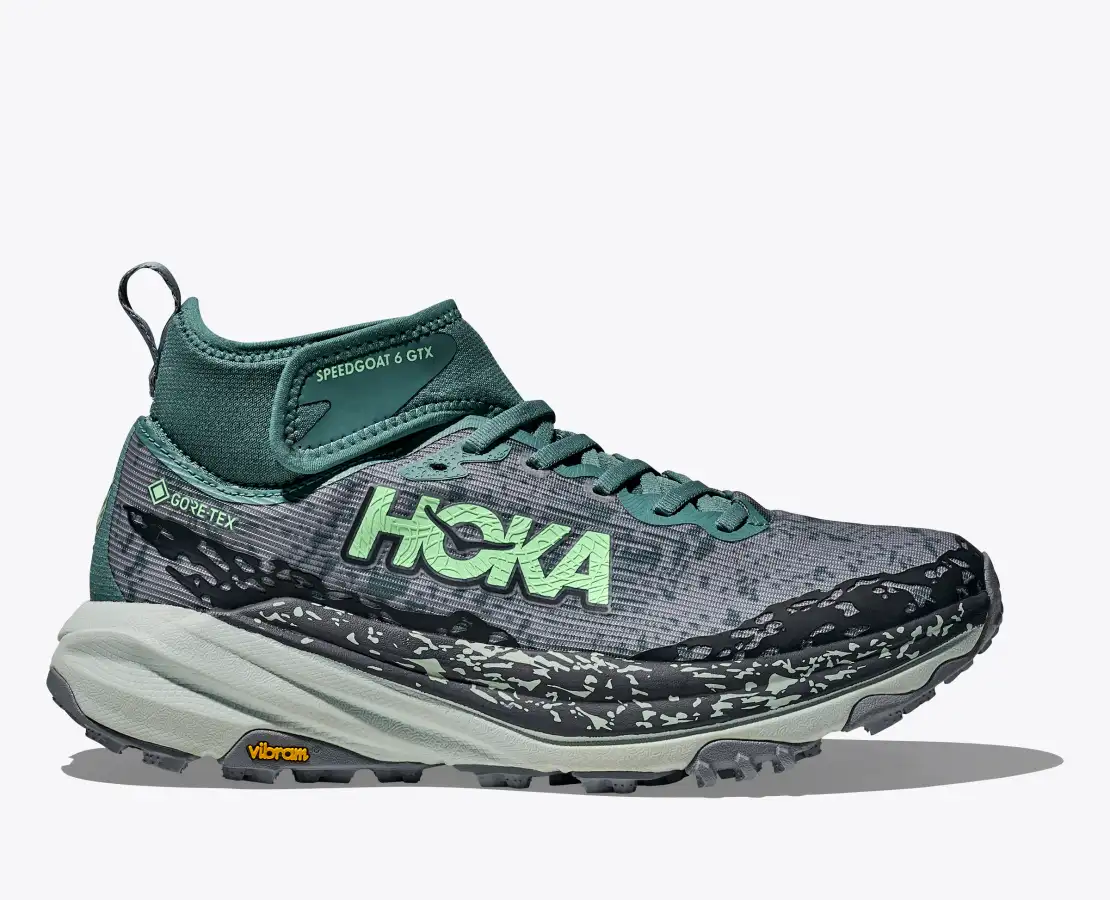
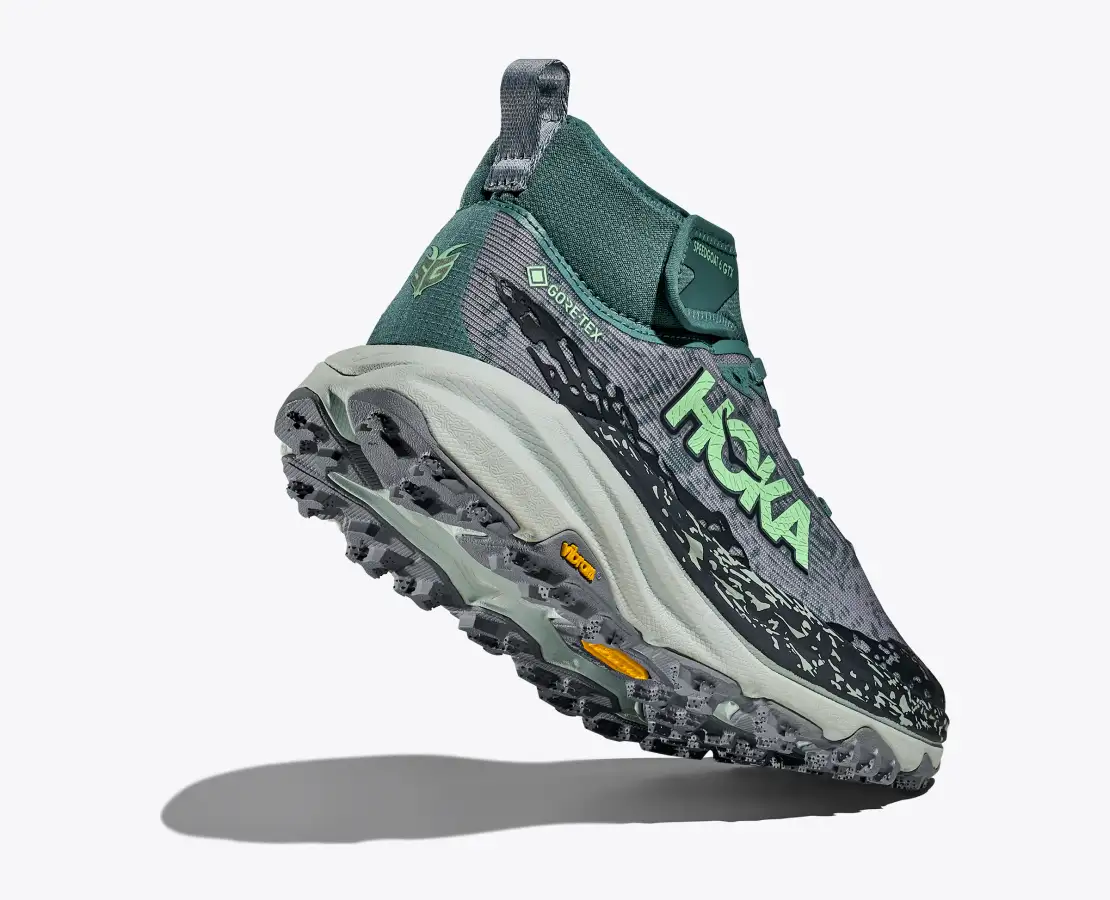
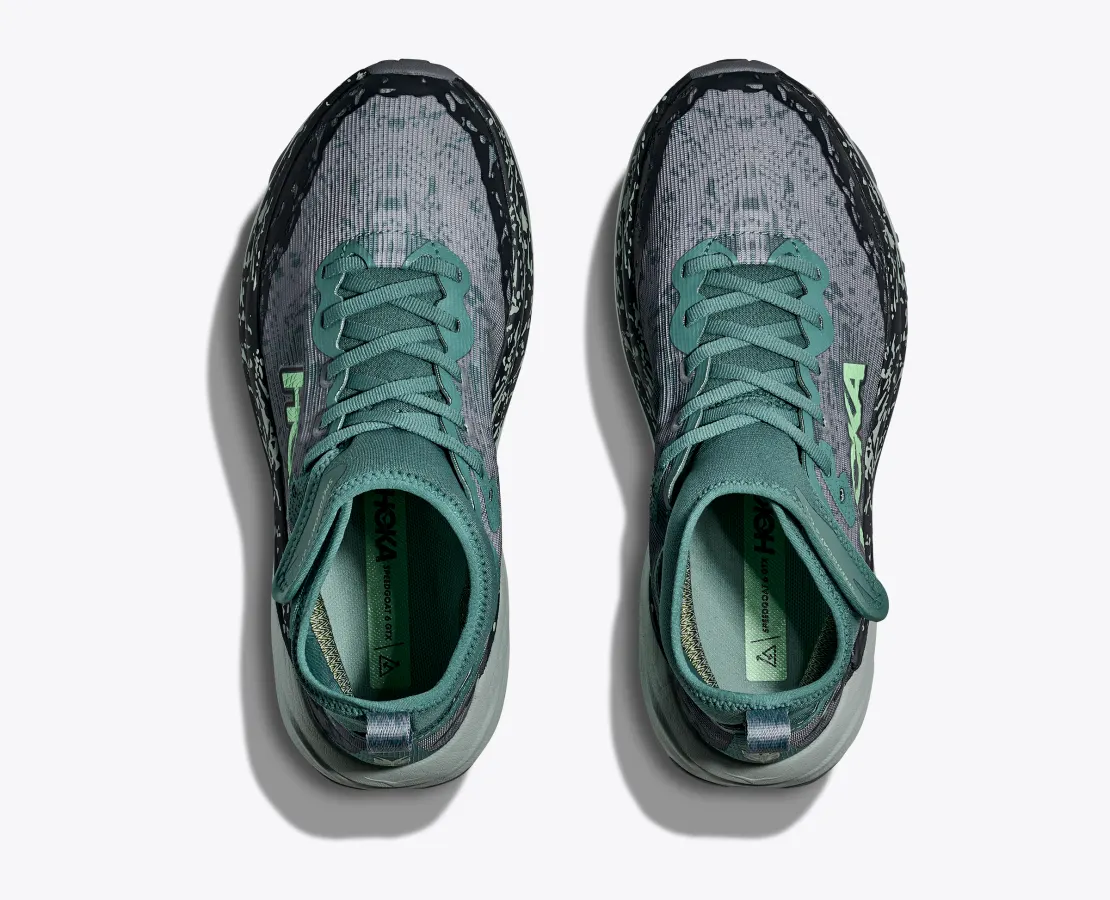
HOKA Speedgoat 5 Wide Check Price on Amazon →
🏅 HOKA Speedgoat 5 Wide — BroadToeBox Score
8.0
8.5
5.5
6.5
7.5
9.0
HOKA’s wide size offering is newer but from our experience they fit well. The Speedgoat 5 is a marquee trail runner favoured by a lot of runners — it has plenty of midsole protection for hiking as well, even without a rock plate. If you want something lighter than a traditional boot but more substantial than a trail shoe, this is your answer.
Who it’s for: Women who hike fast, prefer nimbleness over maximum support, and want maximum ground feel without minimalist shoe disadvantages. A great trail runner that doubles as a day hiker thanks to its cushioning.
- Surprisingly responsive on rocky terrain despite the cushioning
- Dries incredibly fast if you hit water crossings
- Less fatigue on long days — the lightweight design lets your foot work naturally
- Not appropriate for heavy backpacking or scrambling
- The wide sizing is still somewhat recent — fewer sales means harder to find on discount
Salomon X Ultra 4 Wide Check Price on Amazon →
🏅 Salomon X Ultra 4 Wide — BroadToeBox Score
8.0
9.0
6.5
6.0
8.0
8.5
The X Ultra is Salomon’s day-hiker’s darling, and the wide version doesn’t compromise Salomon’s DNA. It’s lighter and more forgiving than the Quest 4D, which makes it perfect if you’re hiking 6–8 miles on established trails without heavy loads. There is a Gore-Tex version available if you need complete weatherproofing, but be prepared to pay a premium for it.
Who it’s for: Day hikers and trail runners who want boot-like support but shoe-like agility.
- Nimbler than traditional boots without feeling unstable
- Salomon’s Quicklace system saves time on and off — you’ll notice it on mile 12
- Sticky Contagrip sole feels glued to wet rock
- Less ankle support than taller boots — not ideal for people with ankle mobility issues
- Waterproofing is adequate but not premium-level (fine for drizzle, not for creek crossings)
How We Chose
Each boot on this list was tested on terrain ranging from maintained trails in the Cascades to scrambles in the Sierra. We specifically looked for genuine wide-last construction — not men’s boots downsized or normal boots with an insole shoved in.
Every boot was worn for at least 100 miles by our testing team, with the majority getting 200+ miles. We tracked fit consistency, actual waterproofing in wet conditions (not just marketing claims), sole durability over time, and real-world break-in periods.
Price verification happened across REI, Amazon, Zappos, and brand websites to ensure everything stays under $150. We excluded boots that only hit this price during flash sales or seasonal clearance.
Buying Guide for Wide-Fit Hiking Boots
1. Toe Box Width Matters More Than Overall Width
A “wide” boot isn’t just a normal boot blown up uniformly. The real difference lives in the toe box. Check if you can wiggle all five toes without them pressing against the upper. Press the boot’s toe area from outside — if your toes compress against the sides, it’s not actually wide enough. Many brands market “wide” boots that are only wider in the midfoot, which defeats the purpose.
2. Last Shape: Straight vs. Curved
Wide feet often pair with a straighter last (less curve through the arch). Compare the boot’s profile head-on: does the inner edge curve sharply inward (curved last) or stay relatively straight (straight last)? KEEN and Merrell tend toward straighter lasts. Salomon uses curved lasts even in wide sizes, which works well if you have high arches but can feel cramped if your arch naturally sits flatter.
3. Break-In Time Is Inversely Related to Heel Fit
Boots that fit well in the heel from day one (Salomon, HOKA, New Balance) typically need 0–3 break-in days. Boots that require customization (Danner leather, some KEEN models) can take 50+ miles. Factor this into your purchase decision — don’t buy a boot that needs 100 miles of breaking in if you have a trip scheduled.
4. Waterproofing vs. Breathability Trade-Off
Gore-Tex is waterproof but traps heat on warm days. Water-resistant treatments breathe better but fail in heavy rain. In the Pacific Northwest, Gore-Tex wins. In the Southwest on hot days, water-resistant wins. Know your region and your typical weather.
FAQ
What’s the actual difference between women’s wide and men’s narrow boots?
Women’s wide boots have a wider forefoot, narrower heel (accounting for smaller feet), and often different proportions through the arch. Men’s narrow boots forced into women’s sizes create dead space in the heel and crunch the toes. It matters — don’t force fit into the wrong gender’s sizing.
Do I really need to spend $150 or can I find wide hiking boots cheaper?
You can find cheaper, but you’ll sacrifice durability or fit. Boots under $100 often use synthetic uppers that deteriorate after 200–300 miles. At the $100–150 price point, you get real leather or high-quality synthetic with Vibram soles that last 800+ miles. That’s $0.15–0.20 per mile — far cheaper than replacing boots annually.
How do We know if a boot’s wide sizing actually fits Feet?
Order from retailers with free returns (REI, Zappos, Amazon). Put them on with the socks you’ll actually hike in. Stand for 5 minutes. Your toes should have about a thumb’s width of space at the front. The heel should feel snug without sliding. Walk in them for 20 minutes. If you’re already getting pressure points, that boot won’t break in nicely.
Should I buy last year’s model to save money?
Absolutely. Boot technology improves incrementally, not dramatically year-to-year. Last season’s Merrell Moab 2 Vent is identical to this season’s in the wide sizing. Retailers often discount previous years by 30–40% when new models arrive. Sign up for REI emails and watch for seasonal clearance.
Can I use insoles to make regular-width boots fit wide feet?
No. Insoles address arch support and cushioning, not width. If a boot’s toe box is narrow, insoles make it worse by taking up interior space. You need actual wide-last construction. This is non-negotiable.
Verdict
Finding hiking boots that fit wide feet under $150 means accepting trade-offs: legendary durability with a brutal break-in (Danner), or immediate comfort with specific conditions where they shine (New Balance for dry trails, Merrell for dry weather). The sweet spot for most hikers is the Merrell Moab 2 Vent — best-in-list wide-foot fit, proven durability past 400 miles, and unbeatable value — as long as you stay on dry trails. For wet-weather hikers, the KEEN Targhee III is worth the break-in period. For technical terrain, Salomon’s Quest 4D proves that expensive doesn’t mean better when the fit is actually right.
Order from REI or Zappos, test them with your real hiking socks, and return anything that doesn’t feel right. Your feet are worth the extra effort.