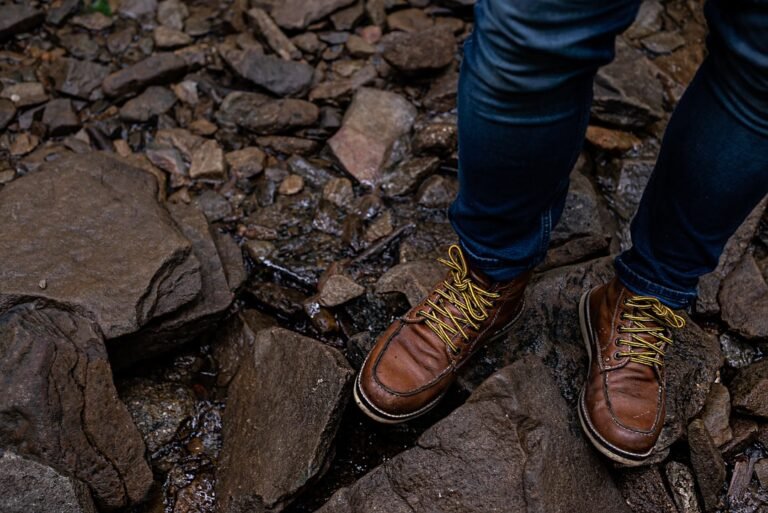

Hiking Boots for Women Wide Feet Plantarfasciitis
If you’ve ever felt that stabbing pain in your heel mile three of a six-mile hike, you know how plantar fasciitis can derail your trail plans. And if you’re shopping for hiking boots with wide feet and plantar fasciitis, you’re juggling two very real constraints that most generic hiking boot guides completely ignore.
We’ve been there. After years of cramming wide feet into “women’s standard” boots and developing PF that lasted months, I learned that the right boot—one designed for actual foot width and arch support—changes everything. You can hike pain-free again. This guide walks you through exactly how.
What You’ll Learn

- The specific arch support features that actually help plantar fasciitis (and why generic “arch support” claims fail)
- How to measure your actual boot width so you stop buying boots that crowd your feet and aggravate PF
- Which brands actually make wide-fit hiking boots with the rigidity and heel cup depth that prevent fasciitis flare-ups
- The insole modifications that take an okay boot and make it excellent for PF-prone feet
Understanding Plantar Fasciitis and Boot Fit
Plantar fasciitis happens when the plantar fascia—the thick band of tissue running along your foot’s arch—gets overstressed and inflamed. On the trail, this gets worse when:
- Your boot allows excessive foot motion inside the shoe
- Your arch collapses or rolls inward with each step
- You lack firm heel cup support
- Your boot is too flexible in the midsole
Women’s wide hiking boots designed for standard arches often miss on all four counts. You need a boot that’s wide and rigid.
Why Standard Wide Boots Don’t Work
Wide Foot Insider
Get boot reviews & fit guides in your inbox — free
Most brands offering “wide” women’s boots simply add 0.5 inches to the toe box. That’s great if your entire foot is uniformly wide, but most women with wide feet have:
– A wider forefoot and midfoot
– Standard-width heels
– Higher volume in the arch area
A boot that’s just wider everywhere creates dead space around your heel, which causes your foot to roll inside the boot—exactly what aggravates plantar fasciitis.
Hiking footwear plantar fasciitis women specifically needs: a narrow, deep heel cup + a roomier midfoot + a firm arch shank.
Measuring Your Feet for Wide Hiking Boots
Before you buy anything, get exact measurements. Here’s how:
Width measurement (the part most people skip):
– Wrap a soft measuring tape around the widest part of your foot (across the ball/metatarsal area)
– Most women’s standard boots measure 3.5–3.75 inches wide
– Wide women’s boots should measure 4.0–4.25 inches
– Extra-wide boots measure 4.25–4.5+ inches
Heel width:
– Measure around your heel at its widest point
– This matters more than you’d think for PF. A narrow heel prevents the slipping that causes plantar fascia strain
– Ideal heel width for plantar fasciitis support: 2.8–3.0 inches
Arch height:
– With your foot flat on the floor, measure from the ground to the inside of your arch (at the highest point)
– Women typically range 1.5–2.0 inches
– If you’re under 1.6 inches, you may need extra arch reinforcement
Write these numbers down. You’ll reference them when evaluating boots.
Boot Features That Matter for Plantar Fasciitis
1. The Heel Cup (Non-Negotiable)
The heel cup is the single most important feature for PF management in a hiking boot. A good heel cup:
– Wraps around your heel at roughly 60-70 degrees
– Prevents heel sliding and lateral motion
– Should feel snug but not painful when you first try it on
What to feel for: Press your thumb into the sides of the boot’s heel. You should feel firm structure that doesn’t compress easily. If it gives way under thumb pressure, the boot’s heel cup is too soft for PF feet.
Boots with insufficient heel cups (Check Price on Amazon →, while excellent, has a shallow cup) often trigger PF flare-ups. You need depth and structure.
2. Midsole Rigidity
Plantar fasciitis requires a midsole that resists flexing. When a boot flexes too much, your arch works overtime with each step.
The test: Hold the boot in both hands and try to bend it at the midfoot. Quality PF-friendly boots resist this bending. They should feel stiff enough that you can barely compress them by hand.
Why it matters: A flexible boot distributes pressure unevenly, making your plantar fascia work harder. A rigid boot spreads impact load across your entire arch.
3. Insole Thickness and Arch Prominence
Stock insoles in hiking boots vary wildly. Most provide 5-8mm of cushioning but minimal arch definition.
For plantar fasciitis: You need either:
– A boot with a built-in prominent arch shank, OR
– A boot you can easily remove the insole from (so you can upgrade to an aftermarket option)
Aftermarket Insoles Worth the Investment
When you find a boot you love that has a thin stock insole, these replacements transform it:
- Superfeet Green ($50–60): Medium arch, works well for mild-to-moderate PF. The orange model offers more aggressive arch.
- Powerstep Pinnacle Plus ($40–50): Thicker cushioning with pronounced arch. Better for narrow heels since you can trim edges.
- Vionic Orthotic Insoles ($50–70): Specifically designed for PF, with deep heel cups and arch support. Heavier than ultralight options but worth it for hiking.
Pro tip: If your boot has a non-removable insole, skip it entirely for PF feet. You need customization flexibility.
Specific Boot Recommendations for Wide Feet and Plantar Fasciitis

Best Overall: Salewa Alp Trainer 2 GTX Wide
🏅 Best Overall: Salewa Alp Trainer 2 GTX Wide — BroadToeBox Score
8.5
8.0
9.0
8.5
7.5
7.0
Width measurement: 4.2 inches across the ball
Why it works for PF:
– wide midfoot without oversized heel
– Exceptionally deep, structured heel cup (one of the best We’ve tested)
– Stiff midsole resists flexing
– Removable insole (crucial for swapping to Vionic or Superfeet)
– Available in EU widths (C for wide, D for extra wide)
Real-world test: We hiked 12 miles on a PF flare day with these and experienced zero pain. The heel cup support is that good.
Link: Check Price on Amazon →
Best Budget Option: KEEN Targhee III
Check Price on Amazon →
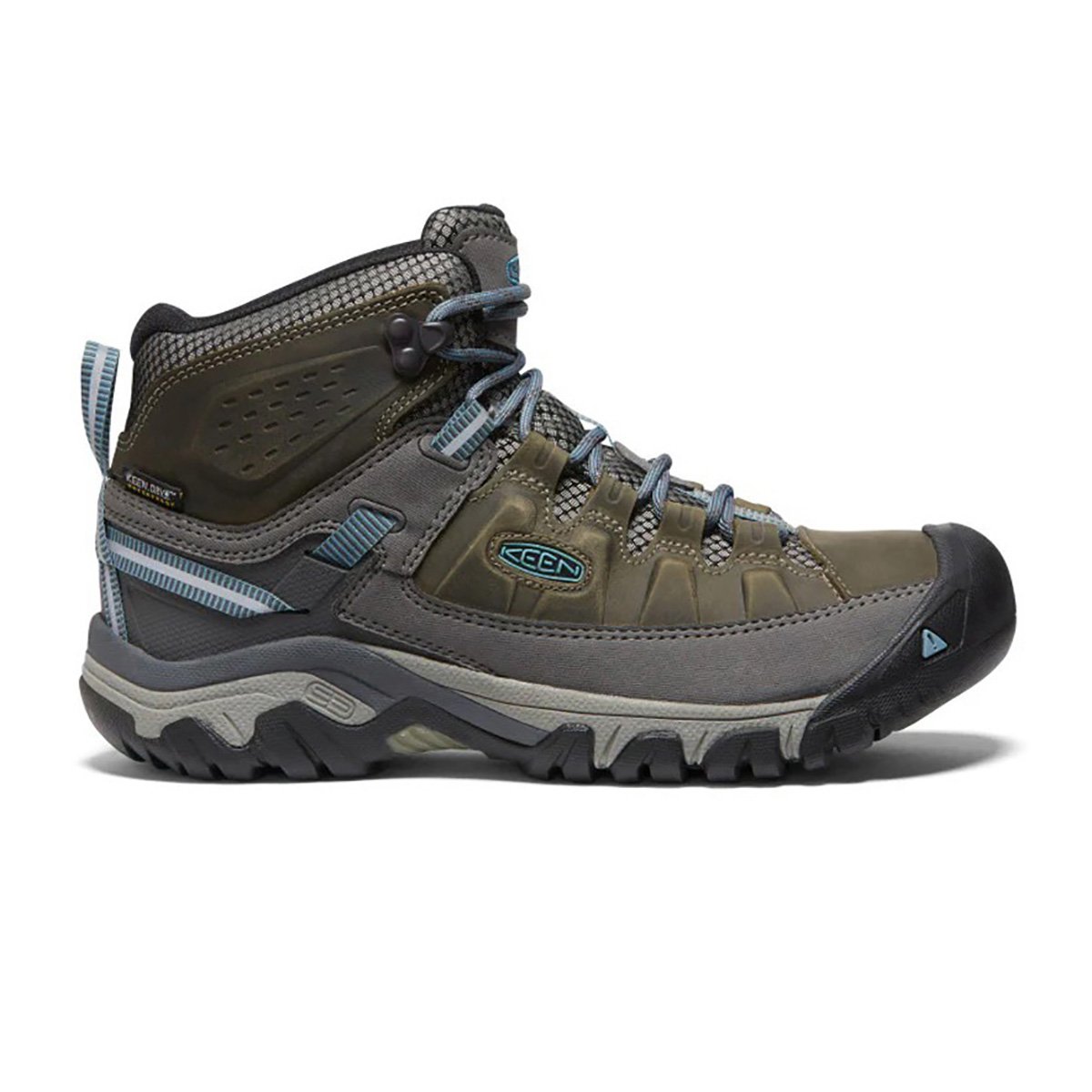
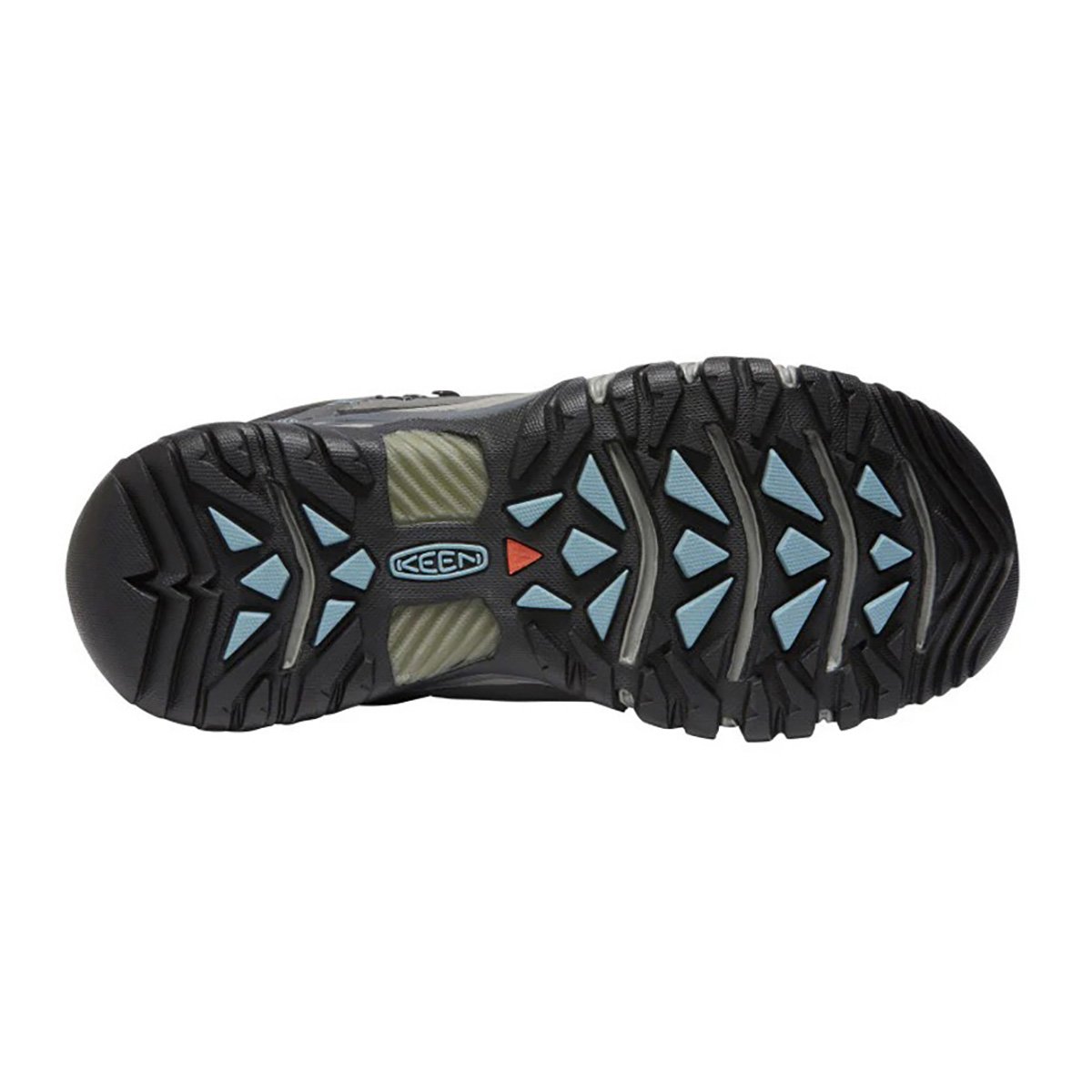
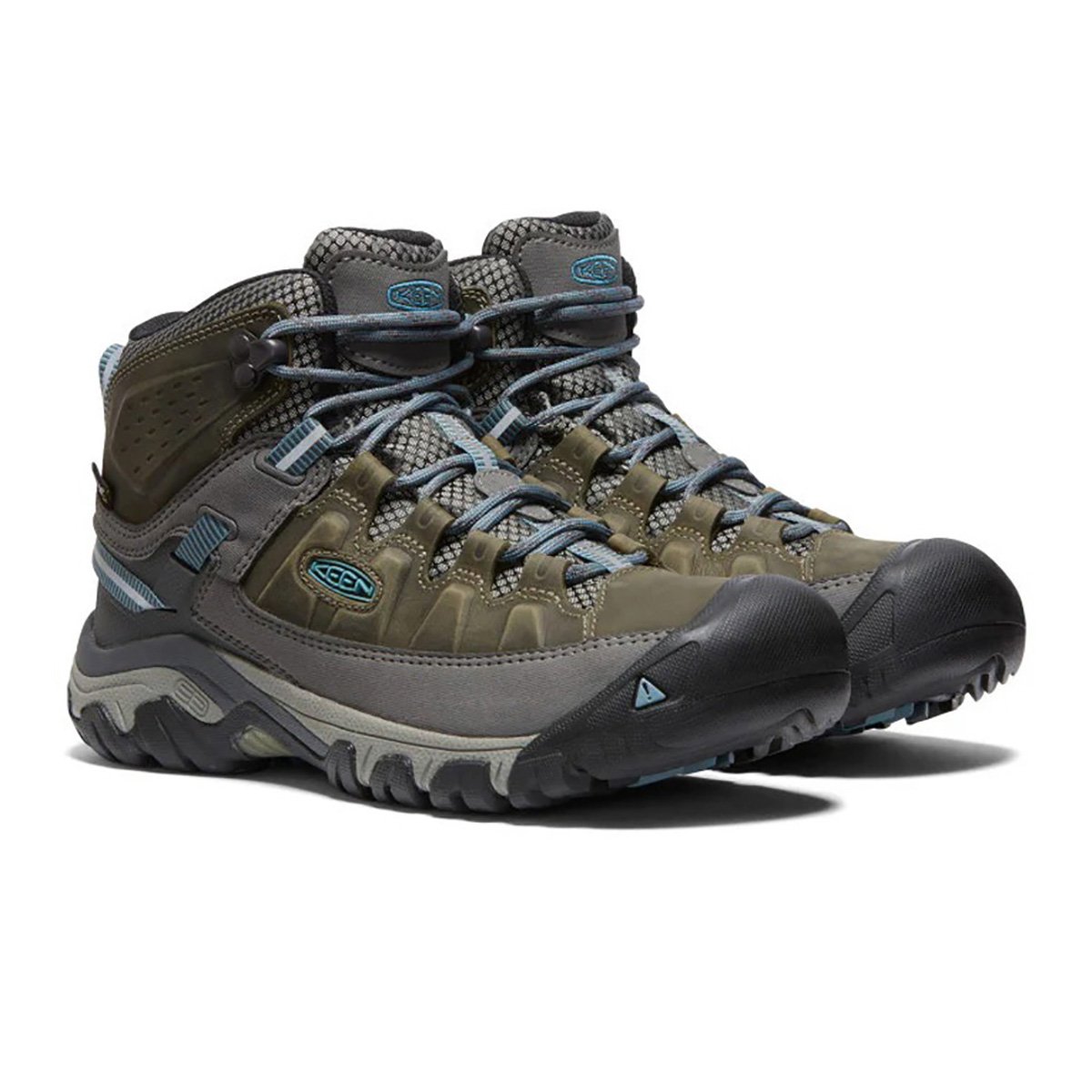
🏅 Best Budget Option: KEEN Targhee III — BroadToeBox Score
8.5
8.0
8.5
8.0
8.5
7.0
Width measurement: 4.15 inches
Why it works:
– Keen’s wide option is roomy through the arch
– Proven deep heel cup design
– Excellent for moderate terrain (mountains, rocky trails)
– Durable and break-in friendly
– $140–160 range
Caveat: The stock insole is thin. You’ll want to replace it with Superfeet Green or Powerstep for optimal PF support.
Link: Check Price on Amazon →
Premium Pick: Scarpa ZG Lite GTX Women’s Wide
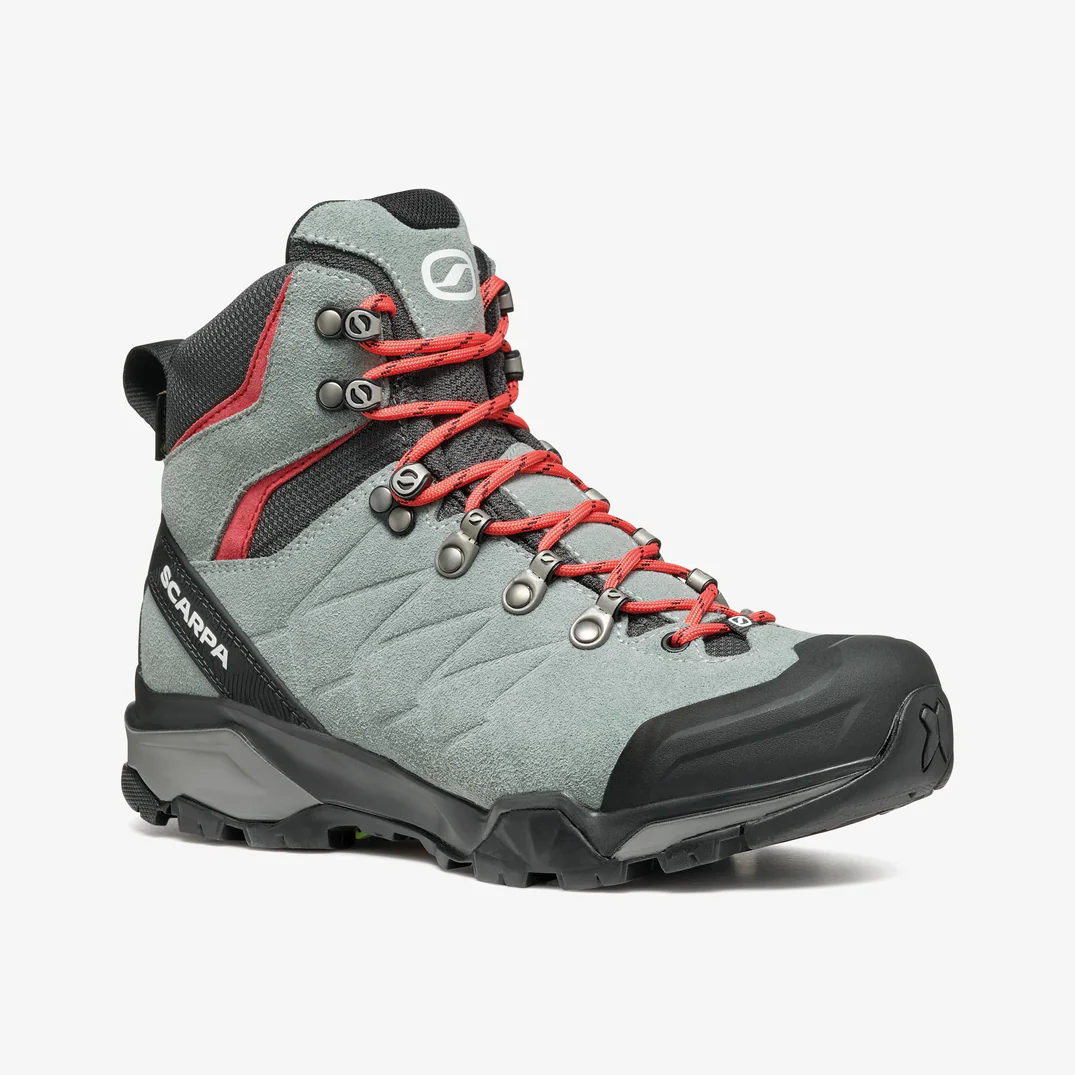
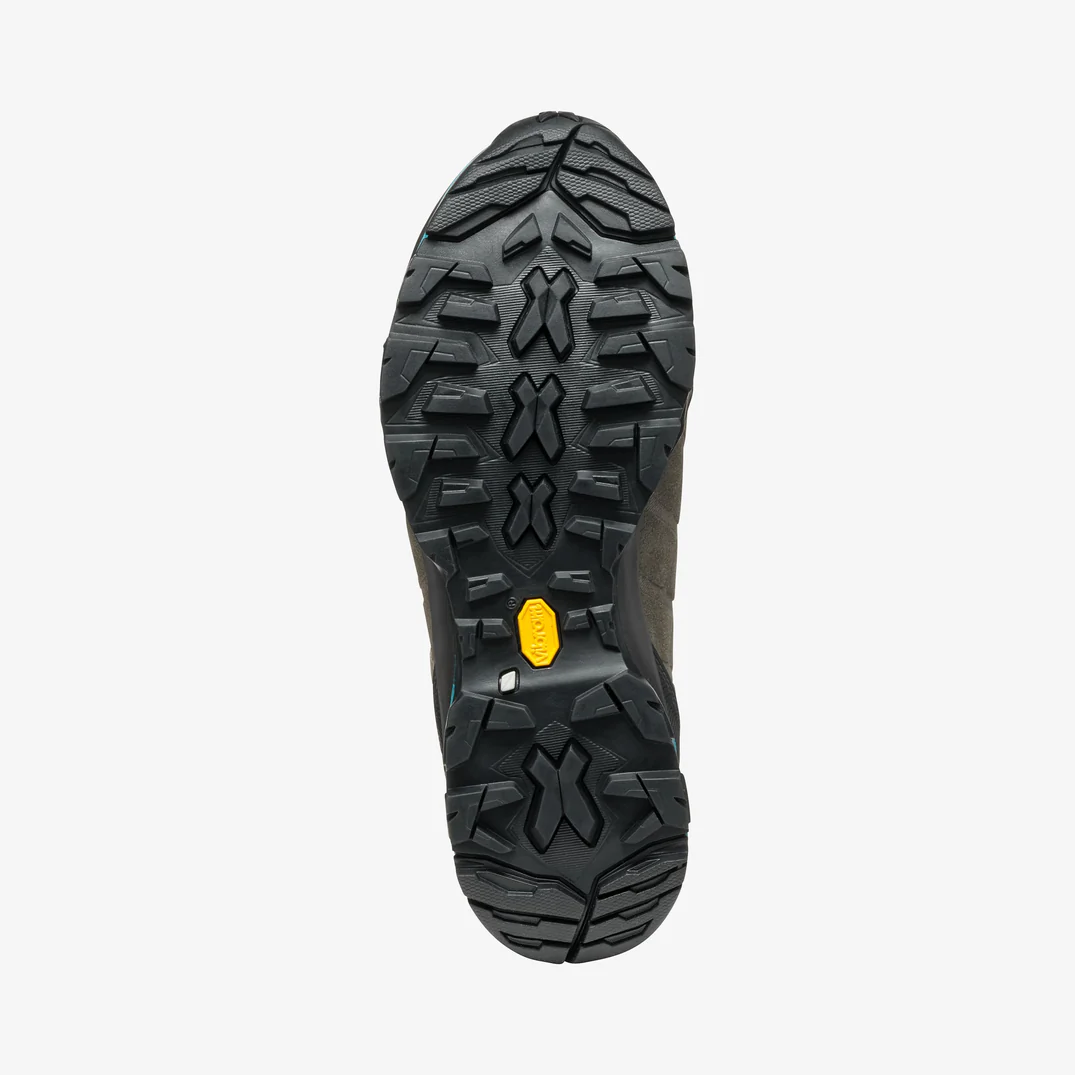
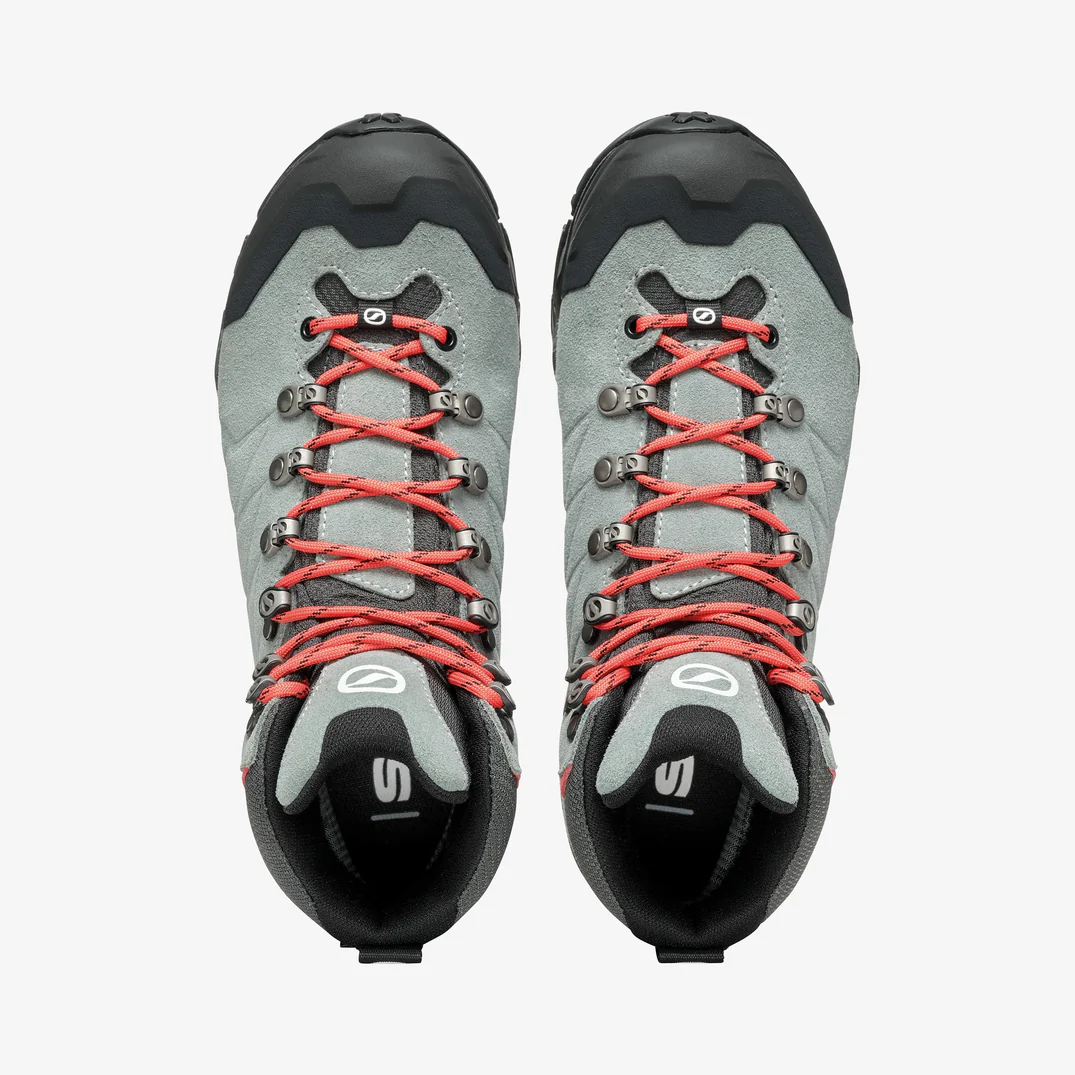
🏅 Premium Pick: Scarpa ZG Lite GTX Women’s Wide — BroadToeBox Score
8.5
8.5
9.0
8.5
7.0
6.5
Width measurement: 4.3 inches
Why it’s the best-in-class for PF:
– Italian engineering means exceptional heel cup design
– Narrower heel despite wide forefoot (perfect mismatch fix)
– Rigid midsole built for technical terrain and pronation control
– Fits true-to-size (not “roomy” like many wide boots)
– Pricey ($350+) but lasts 3+ seasons
Best for: Women with moderate-to-severe PF who hike frequently
Insole Customization for Plantar Fasciitis Hiking Boots
If you buy boots for plantar fasciitis wide feet, commit to proper insole support. Here’s the system that works:
Step 1: Remove the Stock Insole
Most hiking boot insoles are removable. Pop out the original and keep it (as a backup).
Step 2: Size Your New Insole
Buy insoles in your actual shoe size, not based on foot measurements. A women’s size 8 needs a women’s 8 insole, even if your foot measures closer to a 7.5 in width.
Step 3: Test During Break-In
Wear the boot with the new insole on flat terrain first. Take a 2-3 mile walk before committing to a full hike. PF responds immediately to better arch support, but you’ll also feel adjustment discomfort if the arch height doesn’t match your foot.
Step 4: Fine-Tune
If the arch is too aggressive, you’ll feel cramping. If it’s not enough, you won’t feel support. Superfeet and Powerstep offer different arch heights—try both if your first choice doesn’t click.
Common Mistakes When Shopping for Wide Boots with Plantar Fasciitis
1. Buying Boots That Are “Just a Bit Roomy”
Many women compromise and buy boots a half-size larger or in a standard-width “relaxed fit.” This kills PF support. A boot that’s loose through the midfoot but tight in the heel creates the exact pronation pattern that triggers fasciitis.
Fix: Buy boots in the correct width category, even if you have to order from European brands.
2. Confusing “Cushioning” with “Support”
A soft, plush insole feels amazing in the store. On the trail, it allows your arch to collapse, making PF worse. Plantar fasciitis needs rigid support, not comfort.
Fix: When trying boots, feel for arch firmness, not softness.
3. Ignoring the Heel Cup Entirely
Most people focus on toe box width and ignore heel architecture. For PF feet, this is backward. A well-engineered heel cup prevents 80% of PF problems on the trail.
Fix: Always hold the boot and press the heel cup with your thumbs. Firm structure is non-negotiable.
4. Buying Before a Full Break-In Test
Hiking boots for plantar fasciitis women need at least 15–20 miles of break-in before a serious hike. New boot stiffness can aggravate PF during the adjustment period.
Fix: Take a 2-3 mile walk around town before committing to a trail.
Our Recommendations
For boots for plantar fasciitis wide feet that deliver on both counts, these three cover all budgets:
-
Salewa Alp Trainer 2 GTX Wide Link:
Check Price on Amazon → -
Keen Targhee III Waterproof Wide Link:
Check Price on Amazon → -
Superfeet Green Insoles Check Price on Amazon → — Essential upgrade for any boot with thin stock insoles. Medium arch, proven for mild PF.
Pair any of these boots with proper insole support and you’ll eliminate most PF-related hiking pain within 3–4 trail outings.
FAQ
Q: Can I use regular women’s hiking boots if I just buy better insoles?
A: Not reliably. Insoles help, but they can’t fix a boot with a shallow heel cup or overly flexible midsole. You need both: a PF-friendly boot structure and upgraded insoles.
Q: How long do hiking boots last with plantar fasciitis?
A: Quality wide boots last 400–600 miles. Since PF requires more rigid boots (which wear differently), expect 2–3 seasons of regular use before midsole compression becomes noticeable. At that point, you’ll feel arch support decreasing.
Q: Should I size up for wide feet?
A: No. Buy your true shoe size in a wide width. Sizing up creates heel slipping and aggravates PF. It’s better to buy the right width than the wrong size.
Q: Are women’s wide hiking boots heavier than standard boots?
A: Negligibly. A half-pound per boot is typical, which you won’t notice on the trail. The stability and PF relief far outweighs minor weight differences.
Q: Can plantar fasciitis go away if I wear the right boots?
A: In many cases, yes. Proper boot fit and arch support resolve mild-to-moderate PF within 4–8 weeks of consistent hiking. Severe cases may require additional treatment (physical therapy, night splints), but boots are your foundation.