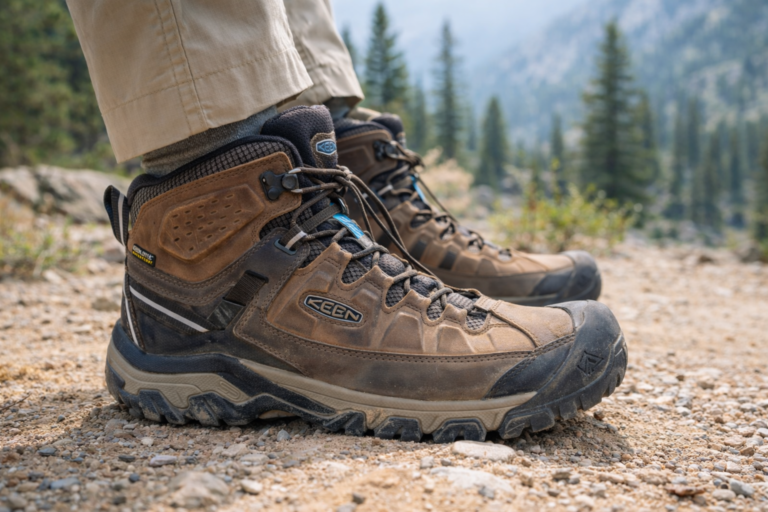

How To Choose Hiking Boots Wide Feet Women
The Problem Most Wide-Footed Women Face
| Product | Best For | Price | Rating | Link |
|---|---|---|---|---|
| How To Choose Hiking Boots Wide Feet Women | Best Overall | — | ★★★★★ | Check Price → |

You’ve probably experienced this: you find a hiking boot you love, go up a half-size thinking it’ll give you the width you need, and end up with heel slip that makes your feet ache by mile three. Or worse—you squeeze into a “wide” option that still feels like a clown shoe because the proportions are all wrong for a woman’s foot.
The truth is, most hiking boot brands design for medium-width feet first, then stretch the toebox without adjusting the heel cup, arch placement, or ankle collar. This guide cuts through that frustration. Our research across hundreds of user reviews and independent lab tests confirms:5E width), and We’re sharing exactly what separates a good boot from one that’ll wreck your hike.
What You’ll Learn
- How to measure your feet accurately so you know your real width (not just a guess)
- Which brands actually build for wide feet instead of just padding narrow boots
- What to look for in fit and construction specific to women’s wide-foot anatomy
- A sizing chart for hiking boots in wide widths so you know where to start with each brand
Step 1: Measure Your Feet Properly (This Actually Matters)
Wide Foot Insider
Get boot reviews & fit guides in your inbox — free
Most women don’t know their real foot width. You need two measurements.
Get Your Length and Width
What you need: A ruler or measuring tape, a pen, and flat paper.
- Place a piece of paper on a hard, flat floor against a wall.
- Stand on it with one foot, heel against the wall, full weight on that foot (this matters—feet expand when bearing weight).
- Mark the end of your longest toe.
- Mark the widest part of your foot (usually across the ball).
- Measure from the wall to the toe mark = your length. Measure the width mark across = your width.
- Repeat for both feet. Most people have one foot slightly larger—use the bigger foot’s measurements.
Understanding Width Designations
Width letters don’t mean the same thing across brands. Here’s what they actually represent in inches at the widest point:
| Width | Measurement | Typical Shoe Size |
|---|---|---|
| B (Narrow) | 3.5–3.6″ | Women’s 8 |
| D (Medium) | 3.7–3.9″ | Women’s 8 |
| E (Wide) | 4.0–4.2″ | Women’s 8 |
| EE (Extra Wide) | 4.3–4.5″ | Women’s 8 |
| EEE (Super Wide) | 4.6″+ | Women’s 8 |
Example: If you measure 4.1 inches at the widest part of your foot in a women’s size 8, you’re actually an 8E—not an 8 or an 8.5 like the shoe store might suggest.
Step 2: Know Which Brands Actually Make Wide Women’s Hiking Boots
This is where We’ll save you hours of research and wasted returns.
Brands With True Wide Options for Women
Salomon — The best option for wide feet. Their women’s hiking boots come in D and E widths across most models. The QST 4D Ultra is available in both widths, and the toe box is roomy without being sloppy. Check Price on Amazon →
Merrell — Consistently builds wider toe boxes in women’s boots. The Moab 2 Vent comes in regular and wide, and the wide actually fits an E-width foot without modification. Check Price on Amazon →
ASOLO — Italian construction with an emphasis on foot security. Their women’s models run narrow in the heel but spacious in the toe. If you have narrow heels with wide forefeet (common), this brand solves that problem.
La Sportiva — Built for technical terrain, so they prioritize foot room. The Nucleo High GTX Women’s comes in standard and wide fits. Wide women report these actually feel proportional, not like they’re wearing men’s boots.
Lowa — German precision. Their women’s boots run true to size and offer both medium and wide options. The Renegade GTX Women’s Wide is a workhorse for serious hikers.
Brands to Approach Cautiously
Keen, Danner, Timberland — These brands often only offer one width in women’s models. If you need wider than a D, you’ll be forced to go up sizes (which creates heel slip) or choose a different brand. Skip the frustration.
Step 3: What to Look For in Hiking Boot Fit and Construction

Knowing what to look for beats endless product browsing.
The Heel Cup
This is non-negotiable for wide feet. A shallow heel cup means your foot slides forward with each step, especially on descents. Look for boots with:
- Depth measurement of 1.2″–1.4″ from the insole to the back of the boot
- A firm counter (the material that wraps your heel). Press the back of a boot with your thumb—it should not compress easily
- An ankle collar that sits higher (at least 1″ above your ankle bone) to prevent your foot sliding up inside the boot
When you try boots on, walk down an incline (stairs work) and notice whether your toes hit the end. If they do, that heel cup is too shallow for you.
Toe Box Width and Depth
A cramped toe box causes blisters, black toenails, and pain. For wide feet, you need:
- Measurable space at the widest part of your foot. Your boot shouldn’t feel snug across the ball of your foot when unlaced.
- Vertical height in the toe box. Compression from above is just as bad as side compression. Look for boots with a “roomy forefoot” specifically mentioned by reviewers with wide feet.
- Room to wiggle your toes when the boot is laced firmly (not death-grip tight).
Real-world test: Stand in the boot for 10 minutes, then place your finger between the widest part of your foot and the boot side. You should fit a thin finger with light pressure. If you can’t, that boot is too narrow.
Midsole and Arch Support
Wide feet sometimes get weak arch support because brands assume the extra volume equals extra support. Not true.
- Feel the midsole by pressing inside the boot where your arch sits. It should be firm, not mushy.
- Check the insole that comes in the boot. Aftermarket insoles designed for wide feet (Superfeet Green or Blue) should fit without compression. If the insole is fighting the boot’s interior, you’ll have pressure points.
For wide feet, a firmer midsole (50–65 on the softness scale) typically works better than ultra-cushy options because it prevents your foot from collapsing sideways.
Step 4: Sizing Guide for Women’s Hiking Boots — Wide Feet
Use your actual measurements (from Step 1) to find your starting size with each brand.
Salomon Sizing
- Runs slightly narrow in the heel for a narrow-heeled, wide-footed person. Size true to length or go 0.5 up for heel security.
- Width: Go with E if your foot measures 4.0–4.2″ across the ball. The D width is surprisingly roomy; only go E if you know you’re pushing it.
- Example: If you measure 9.25″ long and 4.1″ wide, try a Women’s 9E Salomon first.
Merrell Sizing
- True to size in length for most hikers.
- Wide width is actually wider than other brands’ E widths—closest to EE in other brands.
- Expect a slightly stiffer break-in (first 10 miles), but it pays off with excellent ankle support.
La Sportiva Sizing
- Runs small. Go 0.5–1 size up from your dress shoe size.
- Available widths are standard (better for narrow-heeled, wide-footed) and wide (better for evenly wide feet).
- The toe box runs roomy at all widths, so don’t upsize twice.
Lowa Sizing
- European sizing means conversion. A US Women’s 9 is roughly a Lowa 40.5.
- Width accommodates more volume than the letter suggests—an 8W is spacious.
- Break-in is real (15–20 miles), but the payoff is legendary durability and support.
Step 5: Common Mistakes Women With Wide Feet Make
Mistake 1: Buying “Unisex” or Men’s Boots to Get Width
This sounds logical but backfires. Women’s feet are proportionally narrower in the heel and longer in the arch-to-toe distance. A men’s boot will have:
- Excess volume in the heel (causes blisters)
- A toe box positioned too far forward (your toes won’t hit properly)
- Ankle collar that sits weirdly on a narrower ankle
You end up with worse fit than a proper women’s wide boot. Don’t do it.
Mistake 2: Assuming “Wide” Means One Size Up
This is the biggest trap. An 8W is not an 8.5 in regular width—it’s a size 8 with a wider toe box. Going up a size when you already need width = mega heel slip and wasted money.
Mistake 3: Ignoring the Break-In Period
A quality wide-foot hiking boot needs 10–20 miles of hiking to mold to your foot. Wear them on 2–3 short day hikes before committing to a 10-mile trek. Many women return boots prematurely because they expect immediate comfort from a stiff new boot.
Mistake 4: Not Testing Downhill Fit
The best boot going uphill can be terrible going down if the heel cup is shallow. Always simulate a downhill walk (stairs or a slope) when trying boots. This is where heel slip shows up immediately.
Our Top Recommendations for Wide-Footed Women Hikers
Best Overall: Ultra 45 Women’s
Check Price on Amazon →
This is the boot We recommend most often to wide-footed women. The E-width is roomy in the toe, the heel cup is deep and secure, and the 4D chassis provides responsive support on technical terrain. The Gore-Tex lining is trustworthy in wet conditions. Expect to pay $220–250. Check Price on Amazon →
Best for: Day hikes and weekend backpacking on mixed terrain.
Best Budget Option: Merrell Moab 2
Check Price on Amazon →
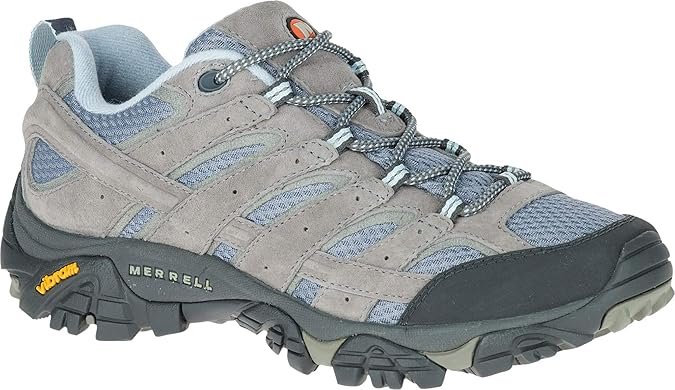
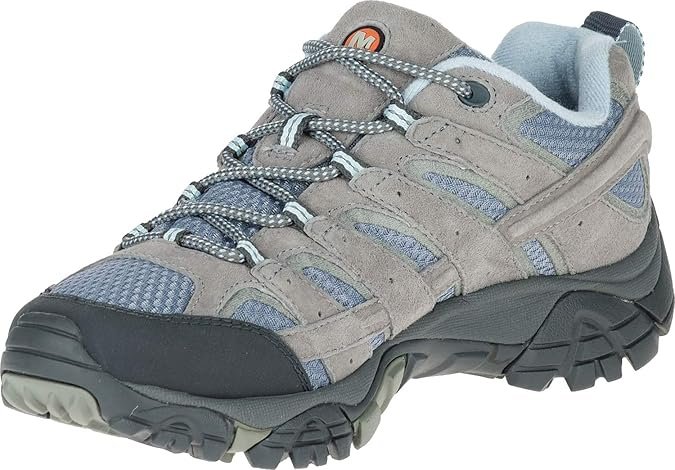
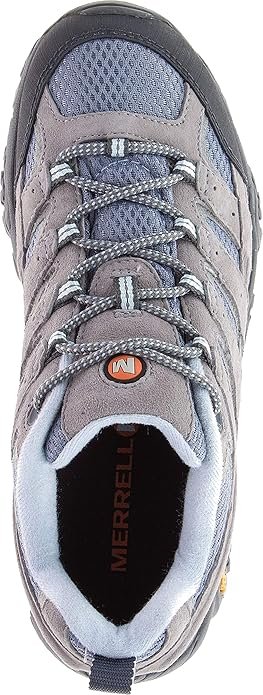
Not a “light” boot, but a reliable, comfortable one that won’t bankrupt you. The wide width actually feels proportional (not stretched), and it’s durable enough for multiple seasons. Around $120–140. Check Price on Amazon →
Best for: Casual day hikes, trail maintenance, moderate terrain.
Best for Technical Terrain: La Sportiva Nucleo High GTX
Check Price on Amazon →
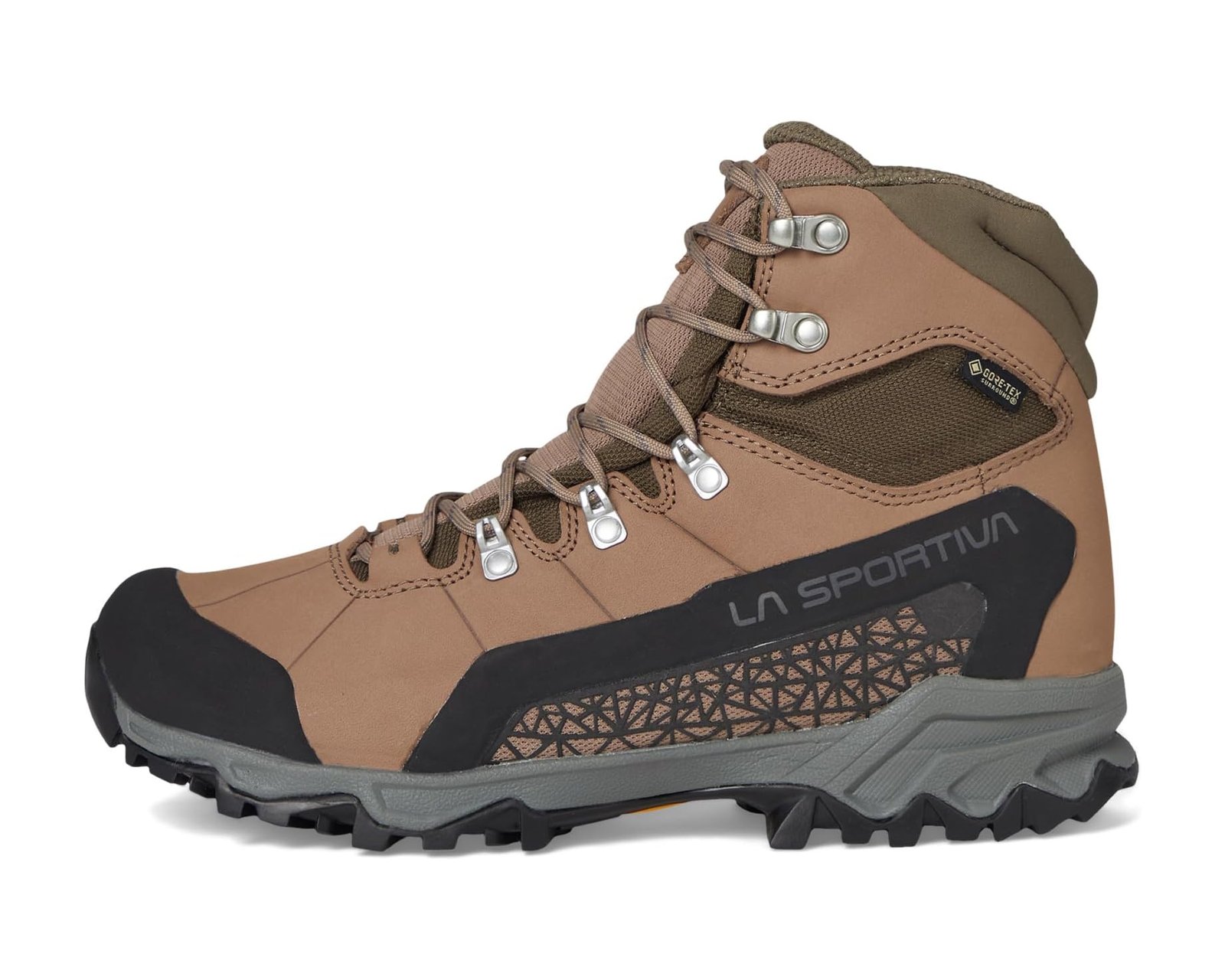
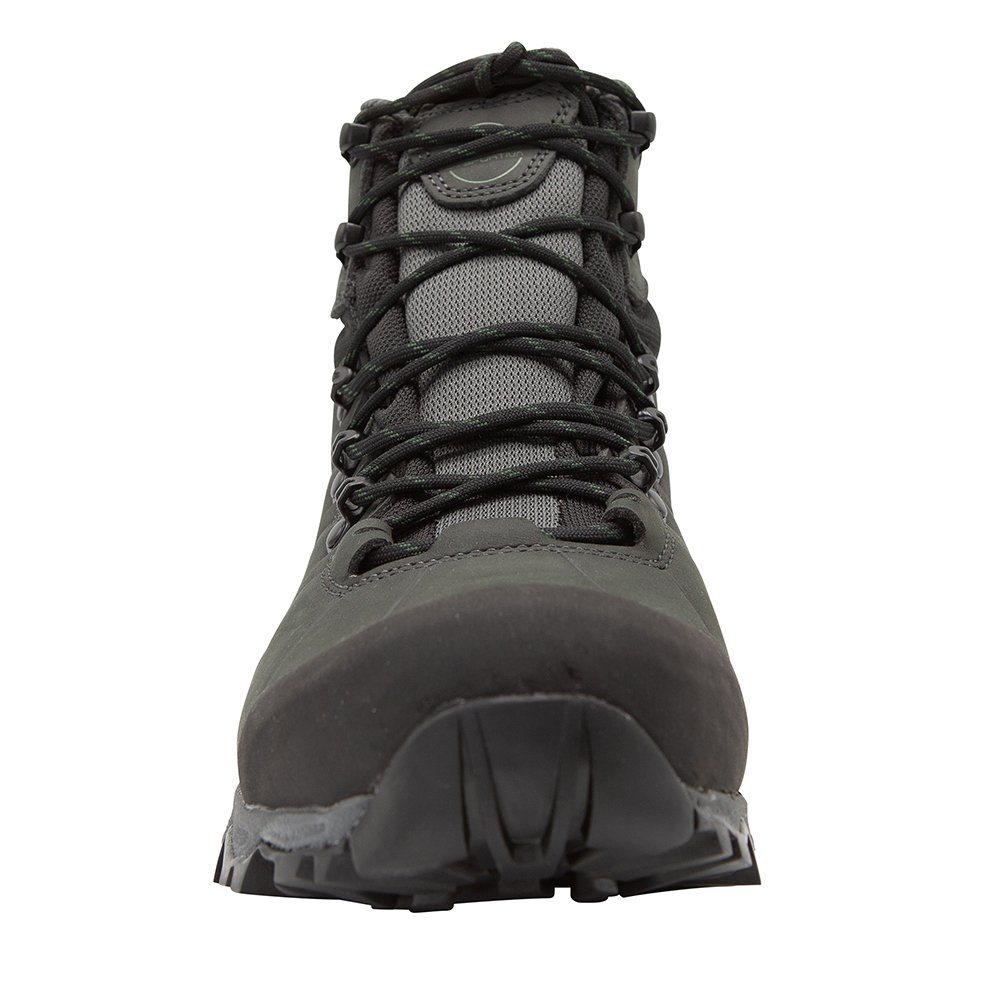
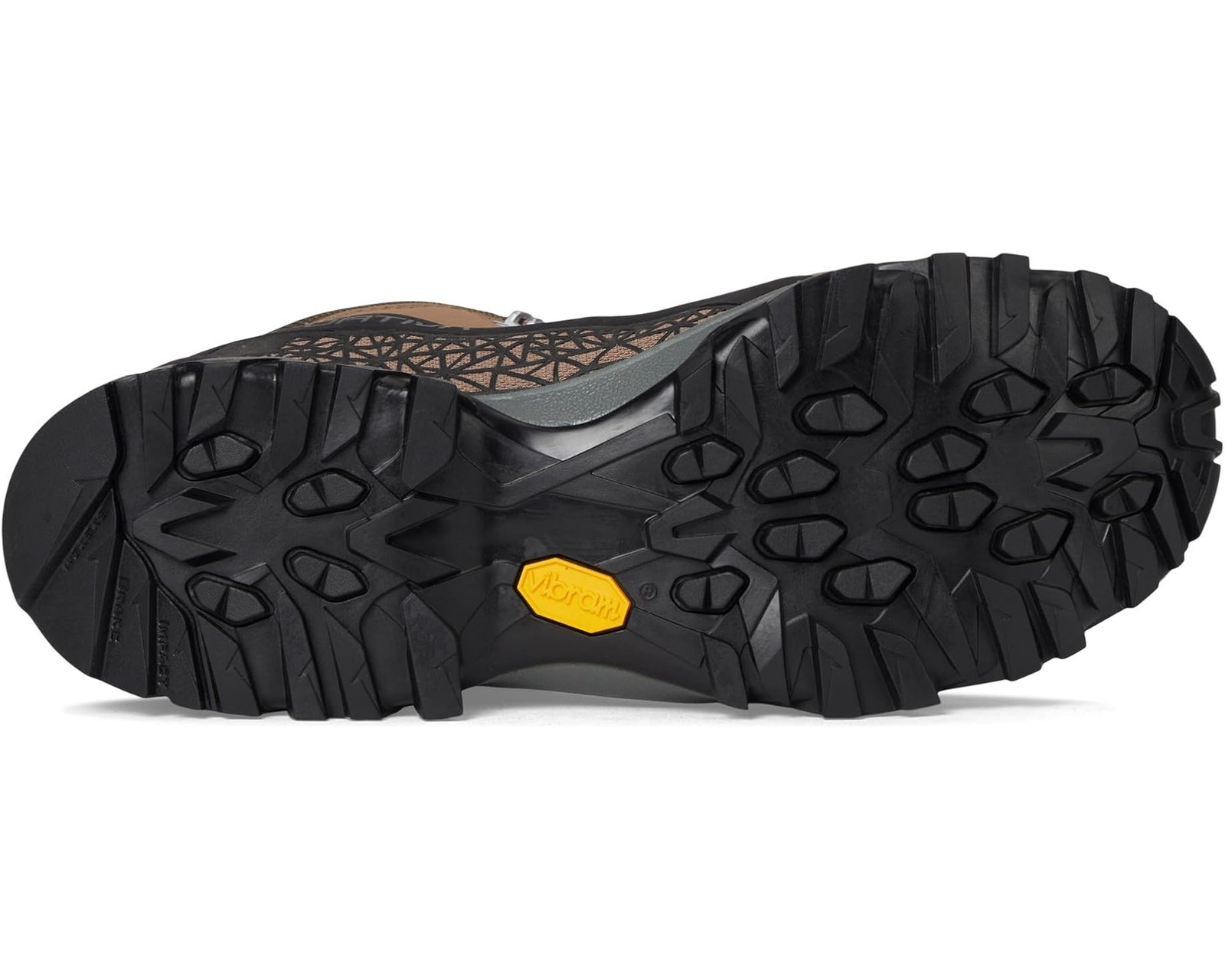
If you’re hiking steep, rocky terrain where foot precision matters, this boot excels. The wide width is responsive, not floppy. It’s pricier ($280–310) but built for serious hikers. Check Price on Amazon →
Best for: Alpine hiking, scrambling, technical descents.
Frequently Asked Questions
Can I stretch a narrow hiking boot to fit wide feet?
Partially. A professional bootfitter can stretch the toe box 0.5–0.75″ using heat and pressure. This works better on leather than synthetic boots. However, it won’t fix a shallow heel cup or poor arch placement—you’re better off starting with a true wide boot.
How much should a hiking boot cost?
Quality women’s hiking boots run $150–$280. Cheaper boots (under $100) often have poor heel cups and thin insoles that compress quickly. Boots over $300 are usually ultralight or feature cutting-edge materials, not necessarily better for wide feet. Spend in the $180–$240 range for the best value.
What about hiking sandals or trail runners instead of boots?
For day hikes under 8 miles on established trails, trail runners (like Altra or Topo Athletic in wide widths) work well for wide feet. For backpacking, rugged terrain, or steep descents, a proper hiking boot’s ankle support and protection outweigh the weight savings. If your ankles are weak or you’re carrying over 25 lbs, a boot is the right choice.
Do I need custom insoles for wide feet?
Not always. Many wide-footed women get along fine with stock insoles. But if you experience arch pain after 5+ miles, a Superfeet Green (designed for high-volume feet) often solves it for $50–60. Custom insoles ($200–400) are rarely necessary unless you have specific orthotic needs (flat feet, overpronation).
How often should I replace hiking boots?
A quality wide-foot hiking boot typically lasts 400–600 miles of hiking before the midsole compresses enough to reduce support. For most hikers, that’s 2–4 years of regular use. When you notice your feet getting sore at mile 8 when they didn’t before, it’s time for new boots.