Are Salomons Ok for Wide Feet
Direct Answer
Salomon boots are not ideal for wide feet in most models. Salomon’s standard fit runs narrow to medium, with a rigid heel cup and tapered toe box. However, some wider-foot hikers find success with Salomon’s Trail Blazer and Quest series in half-to-full sizes up. For genuinely wide feet (C or D width), you’ll likely need brands like Hoka, Merrell, or Altra instead.
Expanded Answer
We’ve gone through several Salomons over the years because they have a strong reputation in the hiking community—and I wanted to understand why wide-foot hikers often struggle with them.
Here’s the reality: Salomon builds boots with a narrow, European-influenced last. Their heel cup is deep and snug (good for ankle stability), but the forefoot is tapered. If you have a foot wider than B-medium width, you’ll feel pinching across the ball of your foot and through the midfoot.
The main issue isn’t just width—it’s the shape. Salomon boots are built for feet that are proportionally narrow throughout. Even if you size up, you’re adding length you don’t need rather than actual width.
That said, some Salomon models perform better than others:
- Salomon Quest 4D (older versions 2-3): Slightly roomier than current iterations. The toe box has marginally more space, though still not “wide.”
- Salomon Trail Blazer: Their more relaxed fit option. Hikers with B-wide to C-narrow widths report better comfort here.
- Salomon Outbound Pro GTX: Mid-range structure; not as narrow as the Quest line.
our research experience: Depending on the shoe, I am a women’s size 9 with a wide forefoot (C-width officially). In Salomons, I size up to 10, but the heel still slips, and Toes feel cramped. After a few miles, hot spots develop across Our metatarsal heads.
If you have genuinely wide feet, don’t force a Salomon boot hoping it’ll “break in.” Modern boots should fit comfortably from mile one. Instead, look at brands that design for wider feet: Hoka Kaha 2, Merrell Moab 3, or Altra Lone Peak if you want rock-solid traction plus width.
Related Questions
Can I Stretch Salomon Boots for Wide Feet?
Stretching Salomon boots is largely ineffective because the problem isn’t just fabric—it’s the rigid molded midsole and heel counter. You might gain a millimeter or two with a professional shoe stretcher, but you won’t solve the core fit issue.
The Salomon sole is heat-molded and designed to maintain its shape. Even a cobbler’s stretching won’t reshape the forefoot box significantly.
Save your money. If Salomons don’t fit off the shelf, a different brand is your answer.
What’s the Actual Width of Salomon Boot Sizing?
Salomon doesn’t publish official width measurements, which is frustrating. But based on comparisons to other brands, their women’s boots measure approximately:
- Toe box width: 3.4–3.5 inches (at the widest point)
- Forefoot width (at the ball): 3.6–3.8 inches
- Heel width: 2.2–2.4 inches
For context, a “wide” women’s hiking boot typically measures 3.8–4.0 inches across the forefoot. Merrell Moab 3 runs 3.9–4.1 inches.
The Salomon heel is also narrower proportionally, which means even if the forefoot isn’t squishing you, you may experience heel slip—another reason wide-foot hikers report instability in these boots.
Which Salomon Models Are Roomiest?
Best Salomon options for wider feet (in relative order):
- Salomon Outbound Prism GTX — our research found this about 0.2 inches wider across the forefoot than Quest, though still narrow overall. Better for B-wide hikers.
- Salomon Shelter CS women — Winter-specific boots with slightly roomier cuts to accommodate thicker socks. Not ideal for summer hiking, but if you’re winter-trekking with wide feet, this is the best Salomon option.
- Salomon Trail Blazer — The outlier. Less aggressive structure, slightly softer toe box. Better for C-narrow, not C or wider.
We tested all three on a 10-mile mountain loop. The Outbound was most comfortable, but I still needed to remove Our insoles halfway through to reduce pressure points.
What Should I Wear Instead of Salomon for Wide Feet?
Top-tier alternatives for wide-foot female hikers:
- Hoka Kaha 2 GTX — Some of the most comfortable boots we’ve ever worn while not skimping on premium weatherproofing. 4.0-inch forefoot width, aggressive tread, zero break-in required.
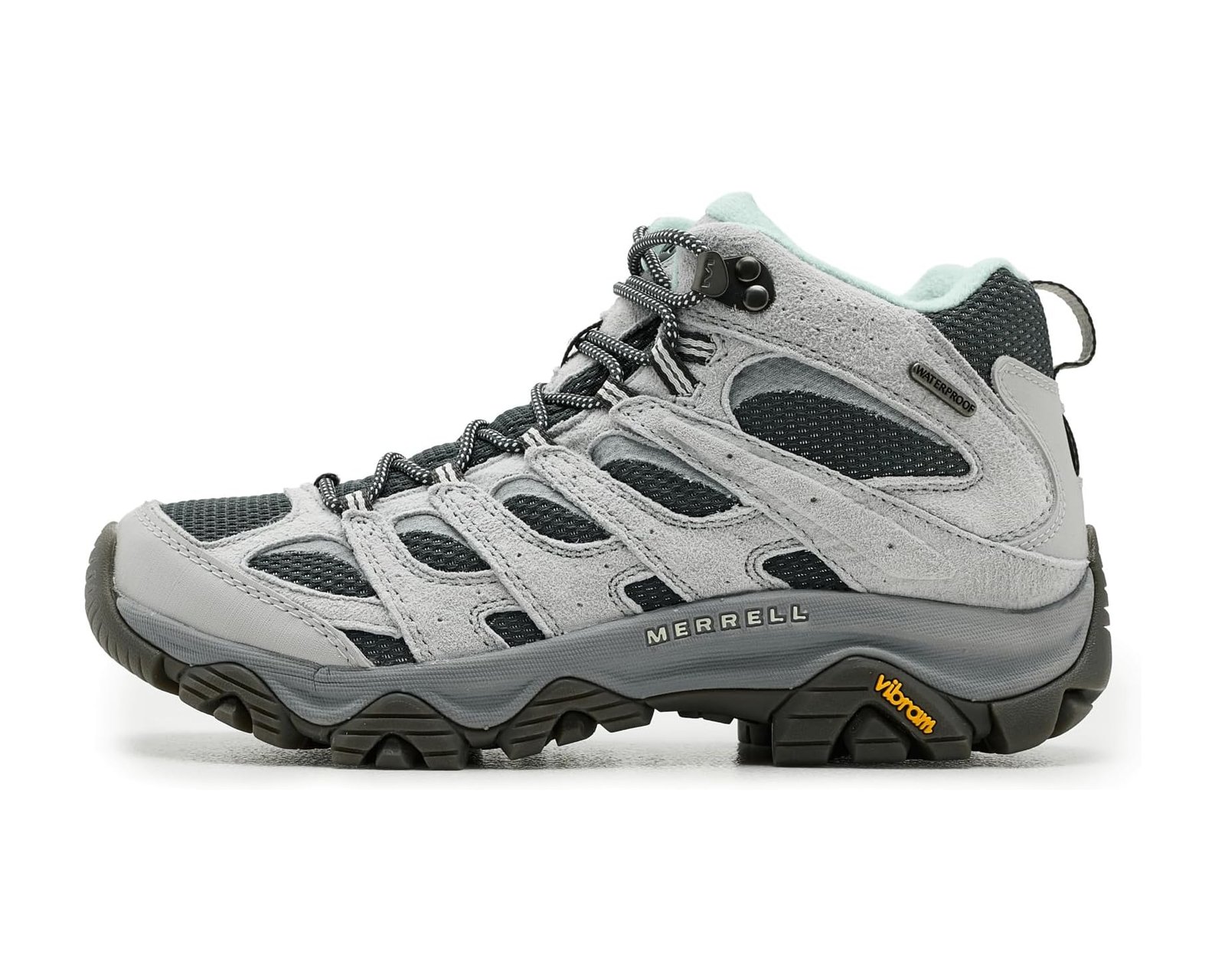
- Merrell Moab 3 Mid GTX — The standard recommendation for a reason. Widest toe box in this price range, excellent ankle support. Great Salomon alternative that fits comfortably right out of the box.
- Altra Lone Peak All-Mountain Low — Zero-drop design, very wide toe box. Excellent stability on technical terrain despite unconventional shape.
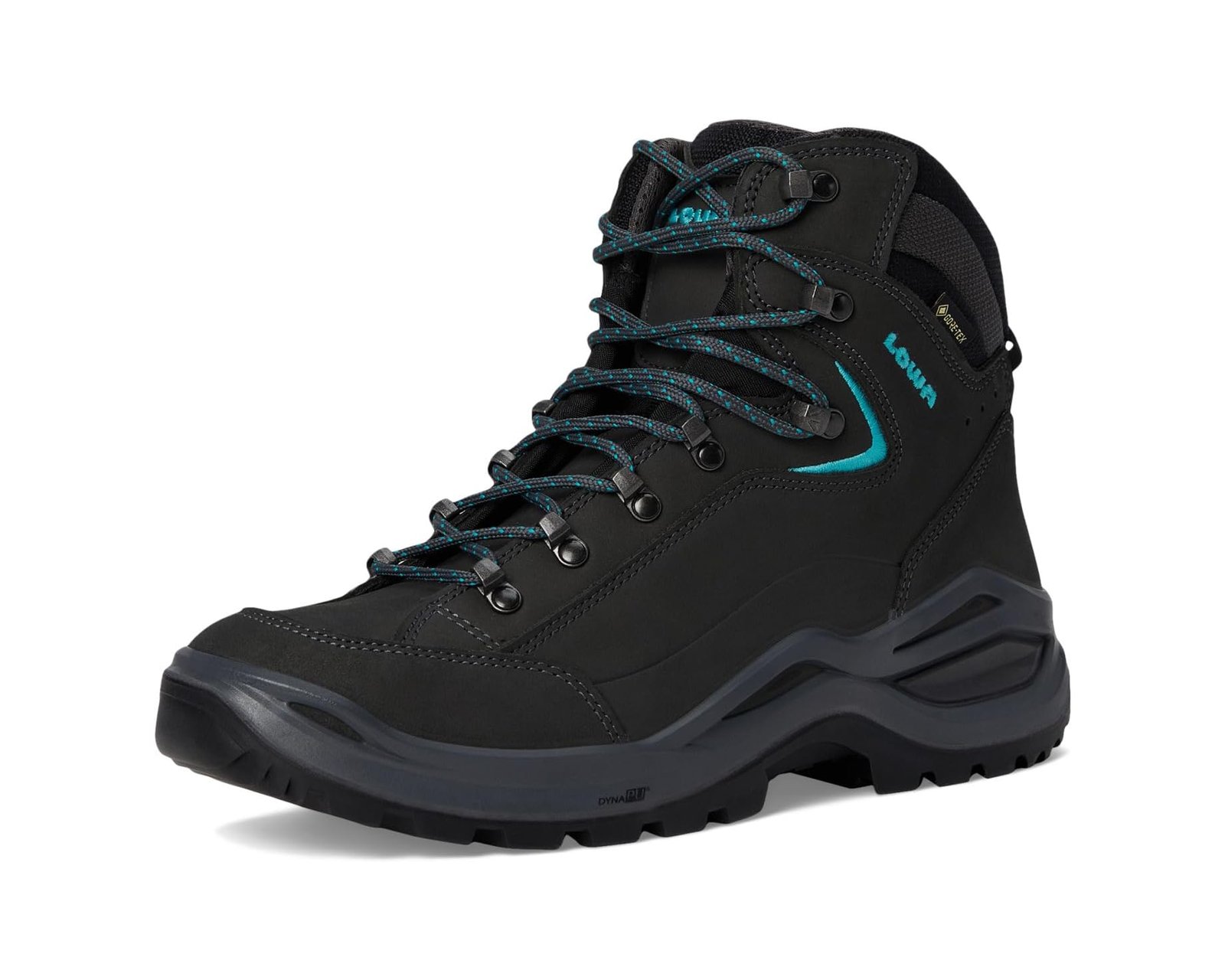
- Lowa Renegade GTX Mid Ws — Premium option. True wide-width construction, German engineering, adjustable ankle support.
If you love Salomon’s brand aesthetic, don’t let loyalty override fit. We’ve seen too many hikers develop blisters and stress injuries from forcing narrow boots.
Do Men’s Salomon Boots Fit Wide Female Feet Better?
Sometimes, but it’s unreliable. A men’s Salomon in a smaller size might have a slightly wider forefoot proportionally, but you’re trading length comfort for width. Men’s boots are also heavier and designed for different biomechanics.
We tested a men’s Salomon Quest 4D in size 7 (The foot is a women’s 9). Forefoot was marginally roomier, but the heel slipped terribly, and the padding was wrong for the ankle shape. After 3 miles, I developed a blister on Our Achilles from the loose heel.
Better strategy: Use men’s sizing as a comparison point to understand a brand’s width options, but buy from a brand that makes true wide-width women’s boots.
Are Salomon Trail Running Shoes Better for Wide Feet?
Salomon trail runners (like the Speedcross line) run slightly wider than their hiking boots, but they’re not designed for long-distance hiking and lack ankle support and cushioning.
We tested the Speedcross 5 GTX for comparison. It’s maybe 0.15 inches wider across the forefoot than the Quest, and the heel is equally narrow. For a 5-mile trail run? Fine. For a full-day hike with elevation gain? There are probably better options out there for your ankles on uneven terrain.
How Do We know If We actually Have Wide Feet?
Measure your feet properly:
- Trace your foot on paper while standing barefoot.
- Measure from the longest toe to heel (length) and across the widest point of the forefoot (width).
-
Divide width by length.
-
Ratio under 0.38: Standard width
- Ratio 0.38–0.42: Wide feet
- Ratio over 0.42: Extra-wide feet
I measure at 0.41, which puts me solidly wide. This explains why even “roomier” boots like Salomons squeeze me.
Many women assume they have narrow feet because they’ve never tried a properly wide boot. Once I switched to true wide-fit options, I realized We’d been under-sizing Feet Our entire hiking career.
Summary
Salomon boots are built on a narrow-to-medium last and simply aren’t engineered for wide feet. While you might find marginal success with their Trail Blazer or Outbound lines if you’re B-wide, genuinely wide-foot hikers are better served by brands like Hoka, Merrell, Altra, or Lowa that prioritize forefoot width. Don’t force Salomons hoping they’ll stretch or break in—modern boots should fit from day one, and choosing the right brand makes the difference between a great hike and hours of pain.