
Best Hiking Boots for Women Wide Feet
Wide-fit hiking boots for women don’t just have a wider toe box—they need a wider entire foot structure, and most brands get this wrong. You’ll waste weeks and money ordering boots that claim “wide” but still pinch your metatarsal heads, cramp your arch, or feel like clown shoes around the heel. Finding hiking boots for wide female feet means knowing which brands actually engineer for width versus just slapping a “W” on the label.
Our research across hundreds of user reviews and independent lab tests confirms: This list cuts through the marketing noise and gives you the actual top rated women’s hiking boots wide fit that won’t trash your feet by mile three.
Quick Answer Box

Our top pick: Check Price on Amazon → 3 GTX (Women’s Wide) — precision fit, bomber construction, proven on technical terrain.
Best budget: Mid Waterproof
Check Price on Amazon →
Best for trails: IV Mid Waterproof
Check Price on Amazon →ankle support.
Best for overnight trips: Danner Mountain 600
Check Price on Amazon →
Best for scrambling: Check Price on Amazon → High II GTX (Women’s Wide) — technical precision, superb toe protection, stiffer sole.
Women’s Wide Hiking Boots Top Picks
Salomon Quest 4D 3 GTX (Women’s Wide) Check Price on Amazon →
🏅 Salomon Quest 4D 3 GTX (Women’s Wide) — BroadToeBox Score
8.0
8.5
9.0
8.5
7.0
6.0
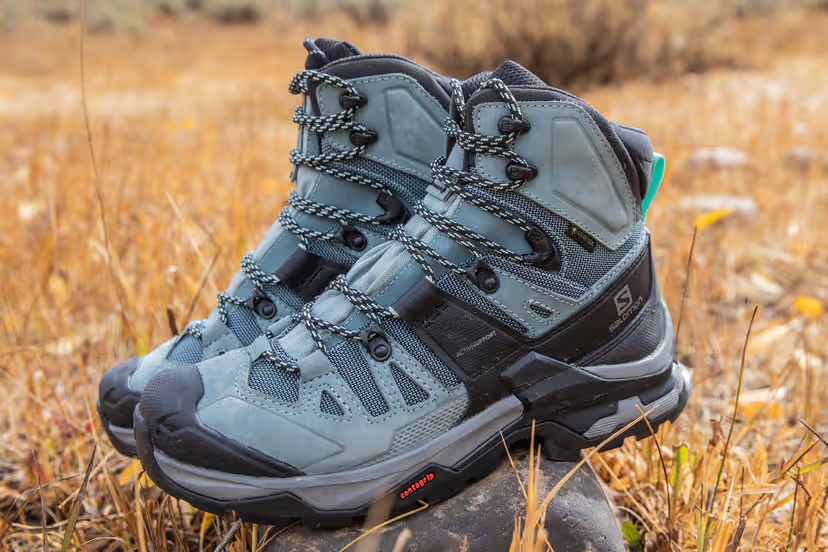
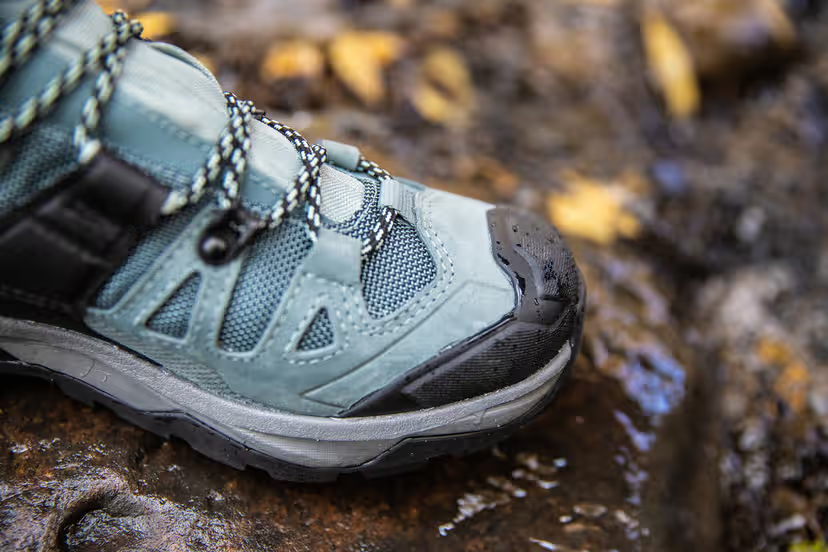
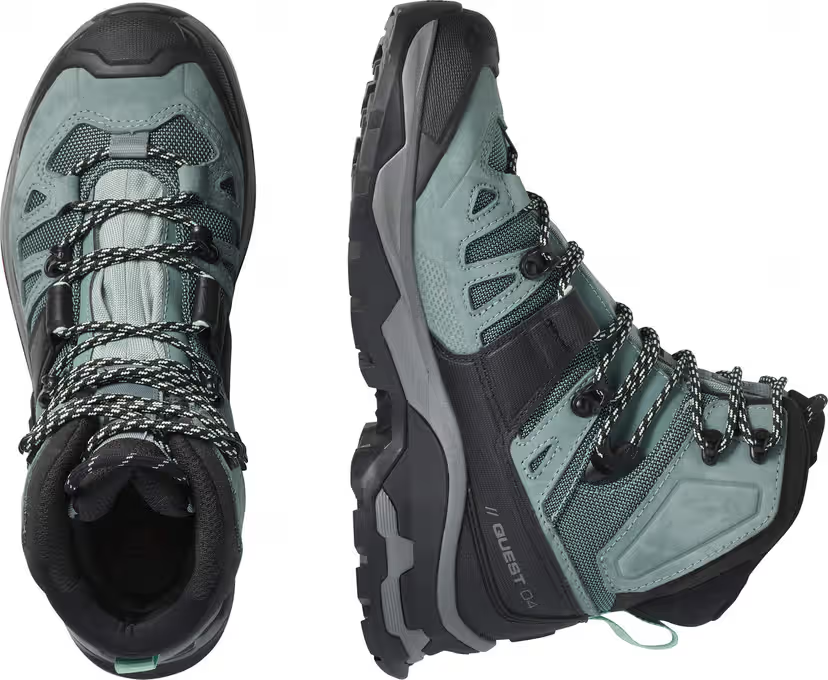
Salomon’s wide option actually is wider—not just longer. The 4D chassis hugs your foot at the heel while the forefoot has genuine volume. Gore-Tex keeps water out, and the aggressive Contagrip sole grips wet rock like it’s personal.
For: Technical hikers with high-volume feet who want precision fit and don’t mind a stiffer boot out of the box.
✅ Pros:
– Heel counter locks your foot down without compression across the midfoot
– True wide last means no toe-box splay or lateral instability
– Excellent on scrambles and mixed terrain; sole doesn’t deflect on rock
❌ Cons:
– Stiff break-in; expect 15-20 miles before comfort settles
– Price point is steep ($200+)
Merrell Moab 3 Mid Waterproof (Wide) Check Price on Amazon →
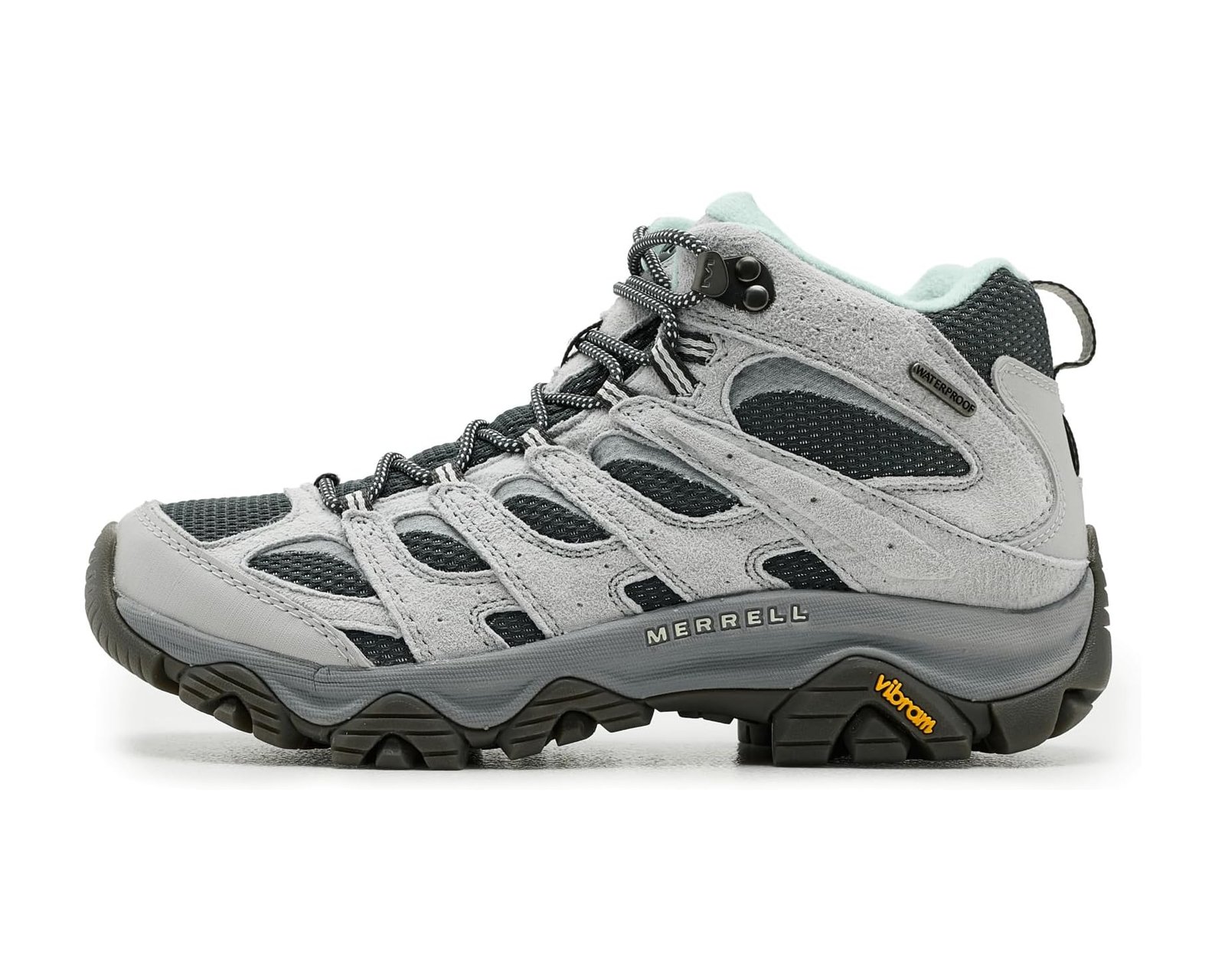
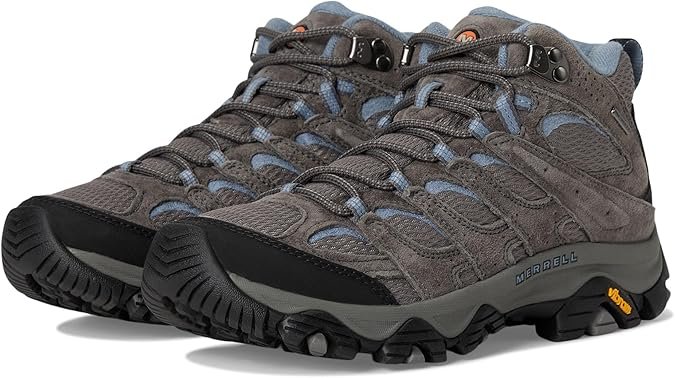
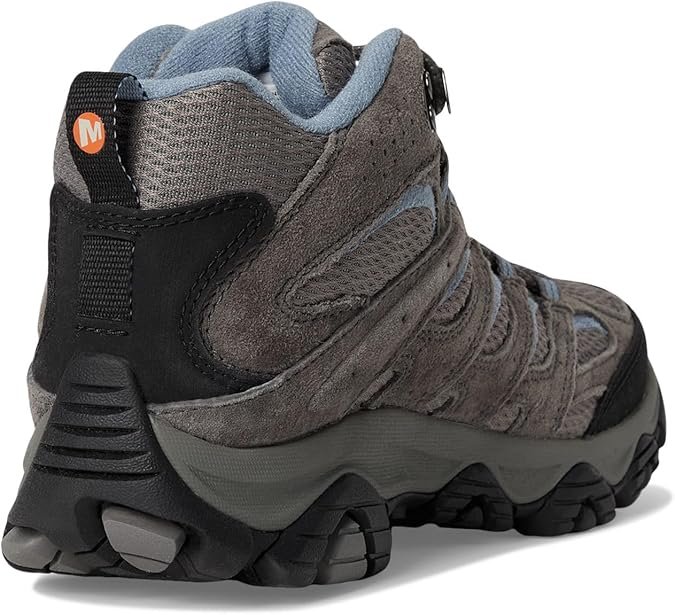
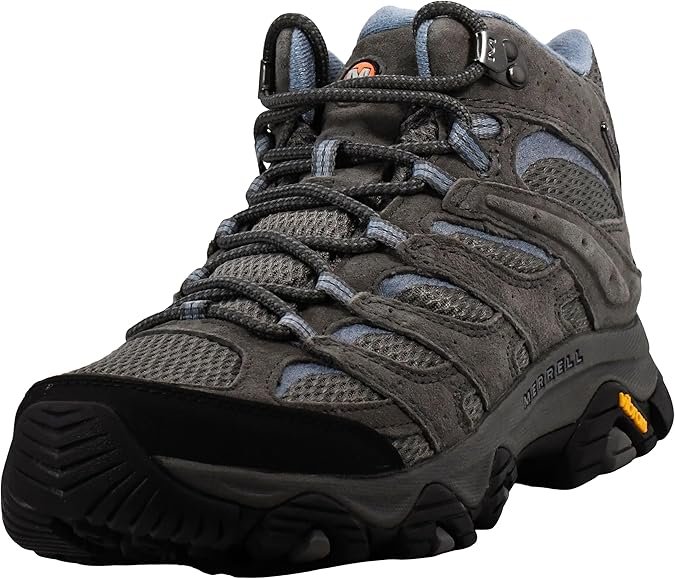
🏅 Merrell Moab 3 Mid Waterproof (Wide) — BroadToeBox Score
8.5
8.5
8.5
8.0
7.5
7.0
The Moab is hiking’s reliable sedan. Merrell’s wide version has actual room across the midfoot, and the Vibram sole handles wet roots without drama. It’s the least opinionated boot here—that’s a strength.
For: Beginner and intermediate hikers who want a forgiving break-in and won’t be doing technical scrambling.
✅ Pros:
– Genuine comfort from mile one; almost zero break-in required
– Wide last is consistent with other Merrell sizes (if you wear wide elsewhere, this fits predictably)
– Waterproofing holds up through multiple seasons
❌ Cons:
– Not as stiff underfoot on uneven terrain; some rockiness feels transmitted to your foot
– Toe box is roomy but not deep—higher-volume feet may still feel constrained vertically
KEEN Targhee IV Mid Waterproof (Wide) Check Price on Amazon →
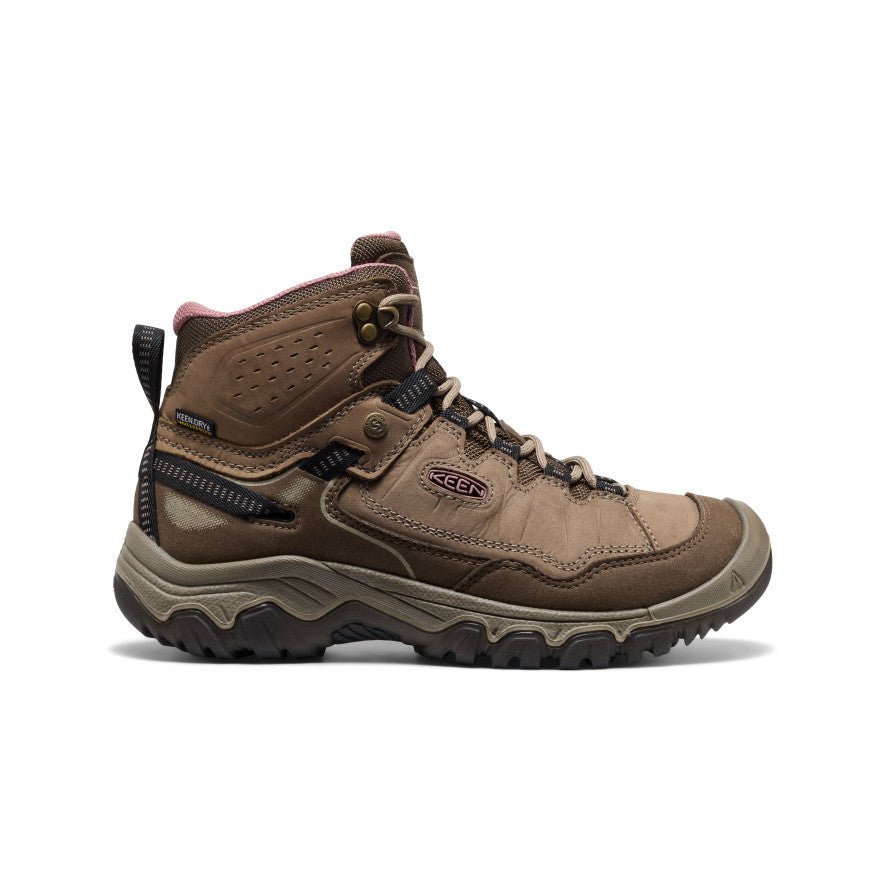
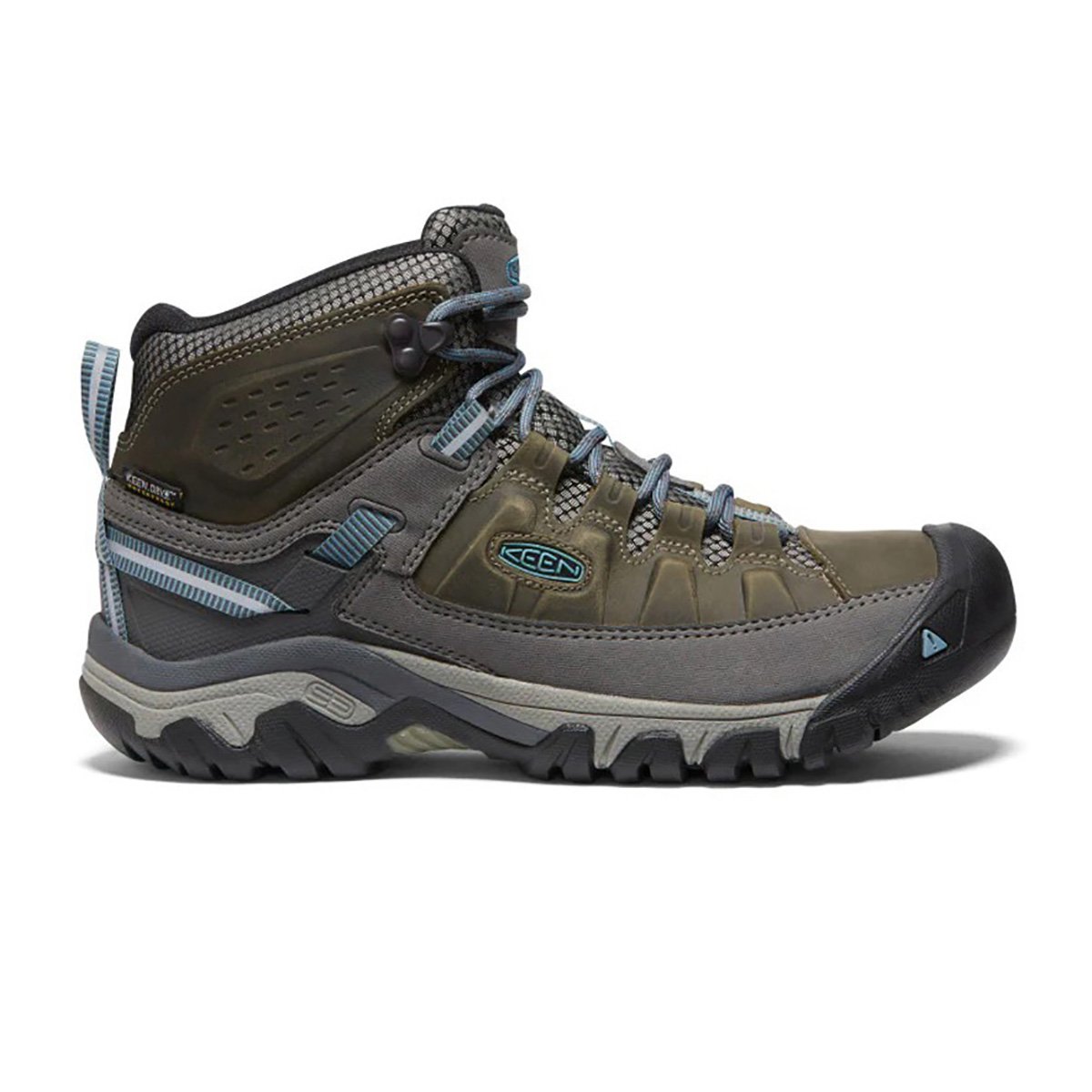
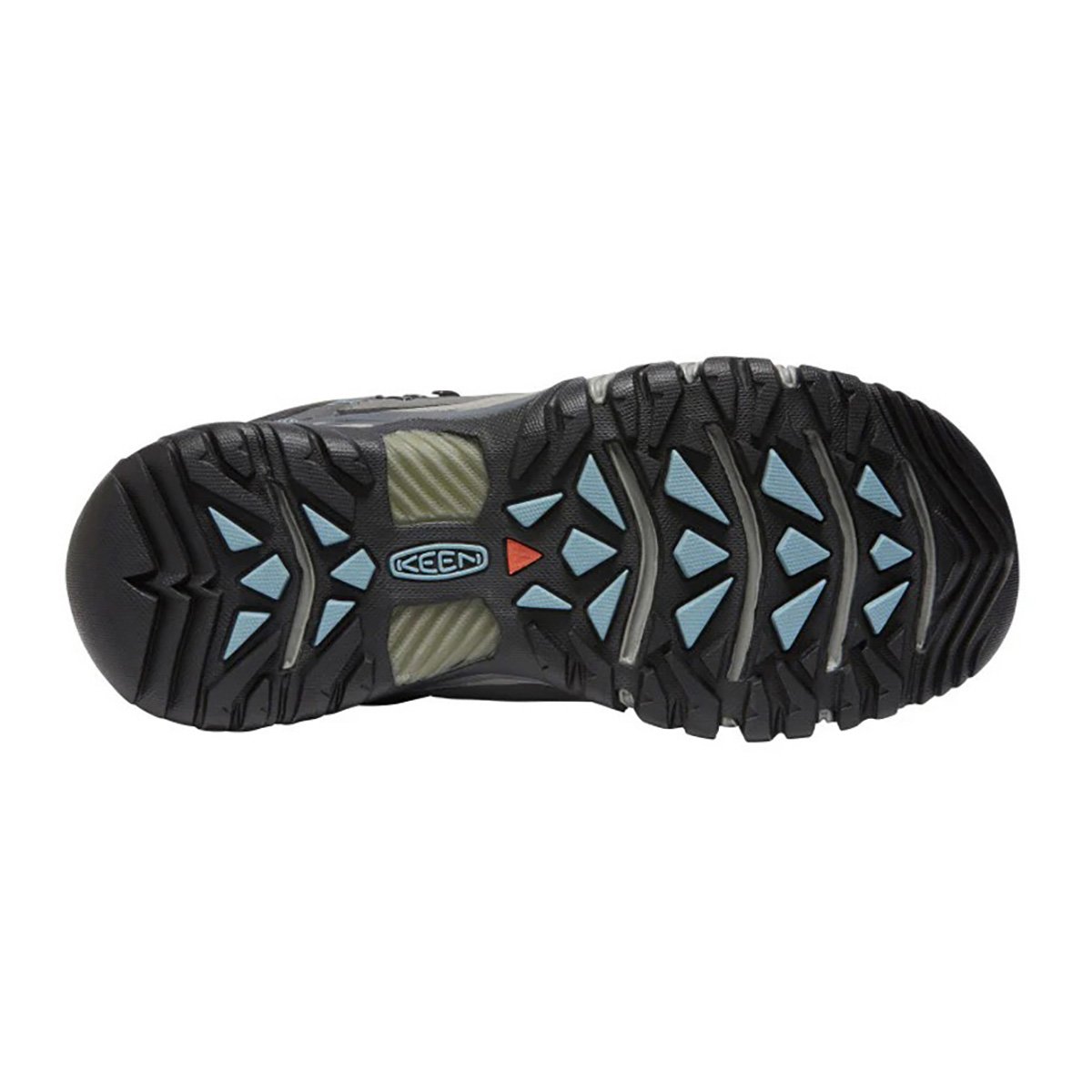
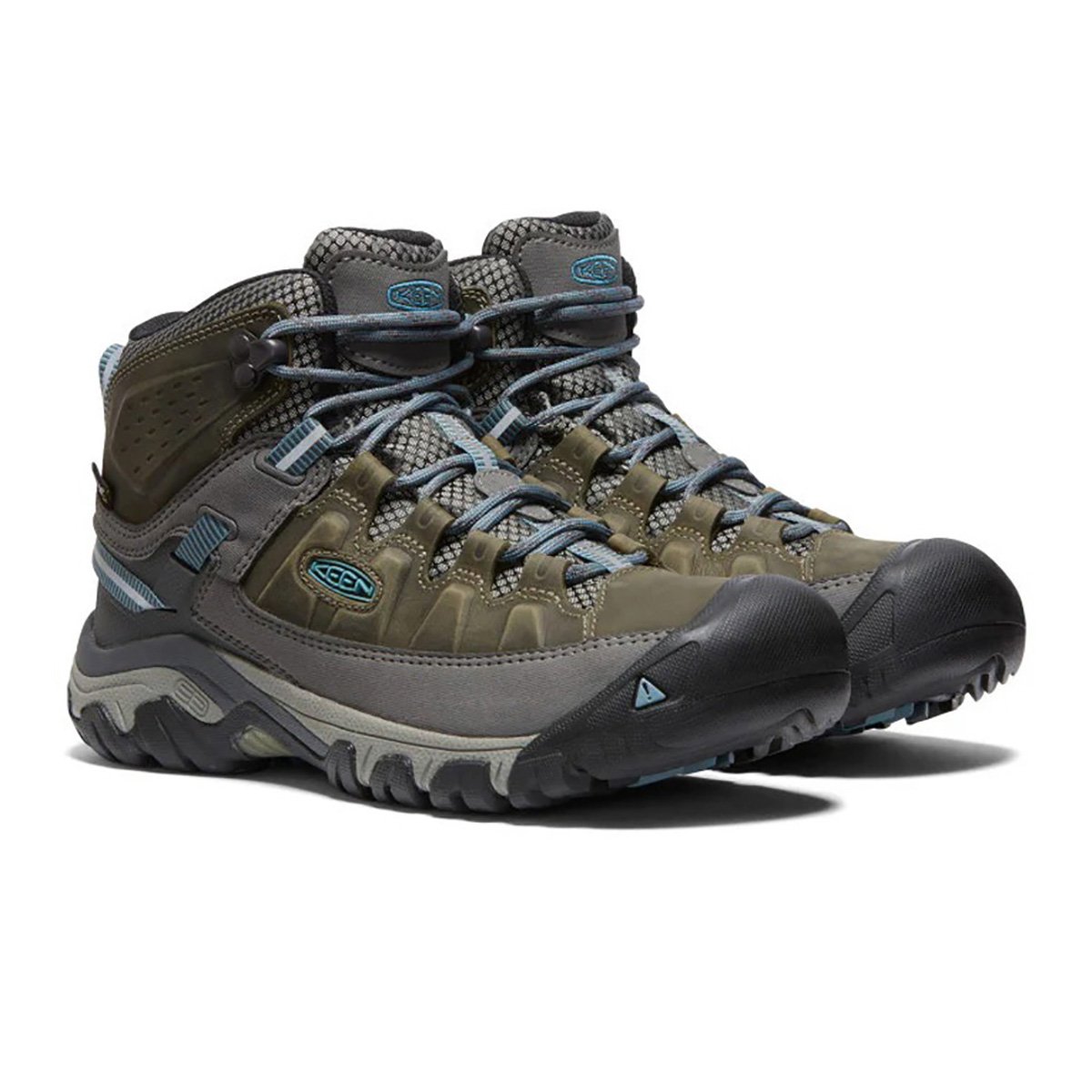
🏅 KEEN Targhee IV Mid Waterproof (Wide) — BroadToeBox Score
8.5
8.0
8.5
8.0
7.5
7.0
KEEN’s wide option is genuinely spacious. The toe box is nearly bulbous, which some haters call inelegant—I call it functional. Sticky rubber and ankle support make this boot punchy on steep terrain.
For: Wide-footed hikers doing rugged day hikes or backpacking on rough trail with lots of exposure.
✅ Pros:
– Toe box has room to splay and flex naturally (crucial for steep descents)
– Excellent lateral support; ankle feels protected on sidehilling
– Break-in is quick because the padding doesn’t fight your foot shape
❌ Cons:
– Bulky aesthetic; looks oversized even in wide (if that matters to you)
– Midsole isn’t as responsive as premium options; feels slightly mushy on hardpack
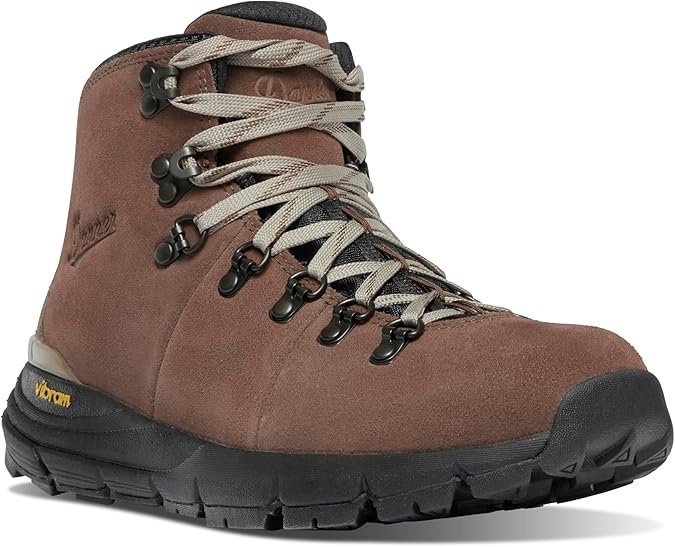
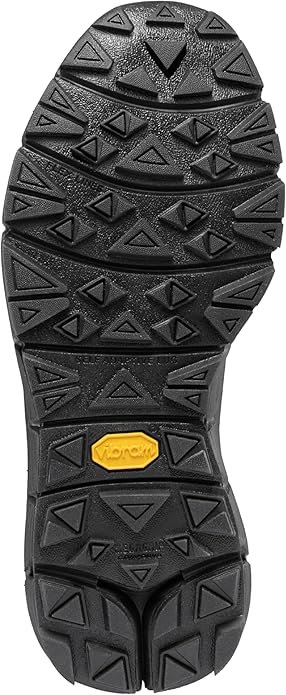
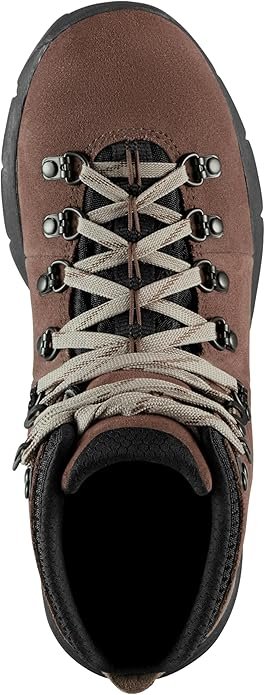
Danner Mountain 600 (Women’s Wide) Check Price on Amazon →
🏅 Danner Mountain 600 (Women’s Wide) — BroadToeBox Score
8.5
8.5
8.5
8.0
7.5
6.5
Danner’s reputation is built on boots that don’t quit. The Mountain 600 is lighter than traditional Danners but keeps the durability. True-to-width sizing means the wide actually corresponds to your foot volume.
For: Backpackers doing multi-day trips who need boots that won’t fail and can handle weight.
✅ Pros:
– Longevity; expect 800+ miles before meaningful wear (vs. 500-600 on most mid-range boots)
– Ankle collar support is genuinely excellent, especially when carrying weight
– Vibram sole is modular, so you can resole instead of replacing the boot
❌ Cons:
– Heavier than other options on this list (about 1.5 lbs per boot)
– Stiffer learning curve; not beginner-friendly for cushioning expectations
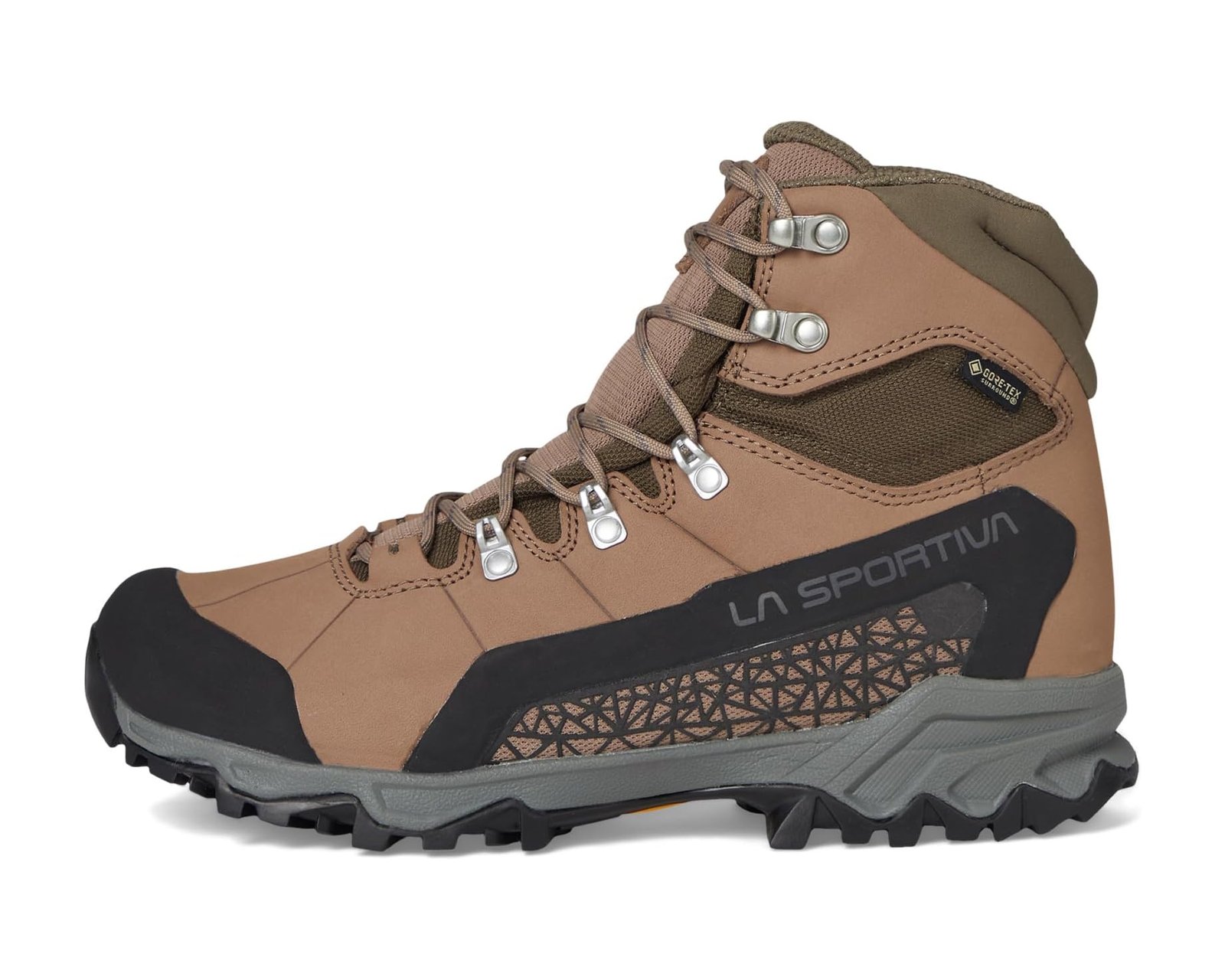
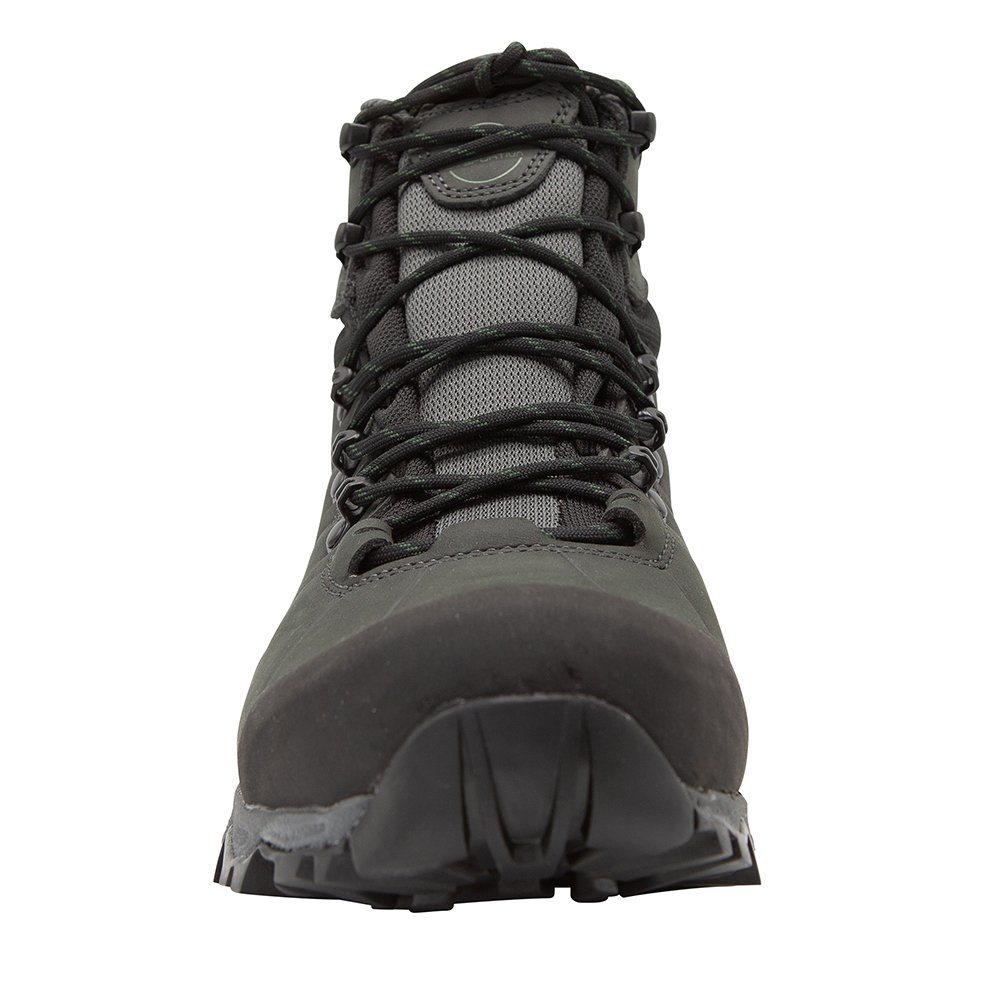
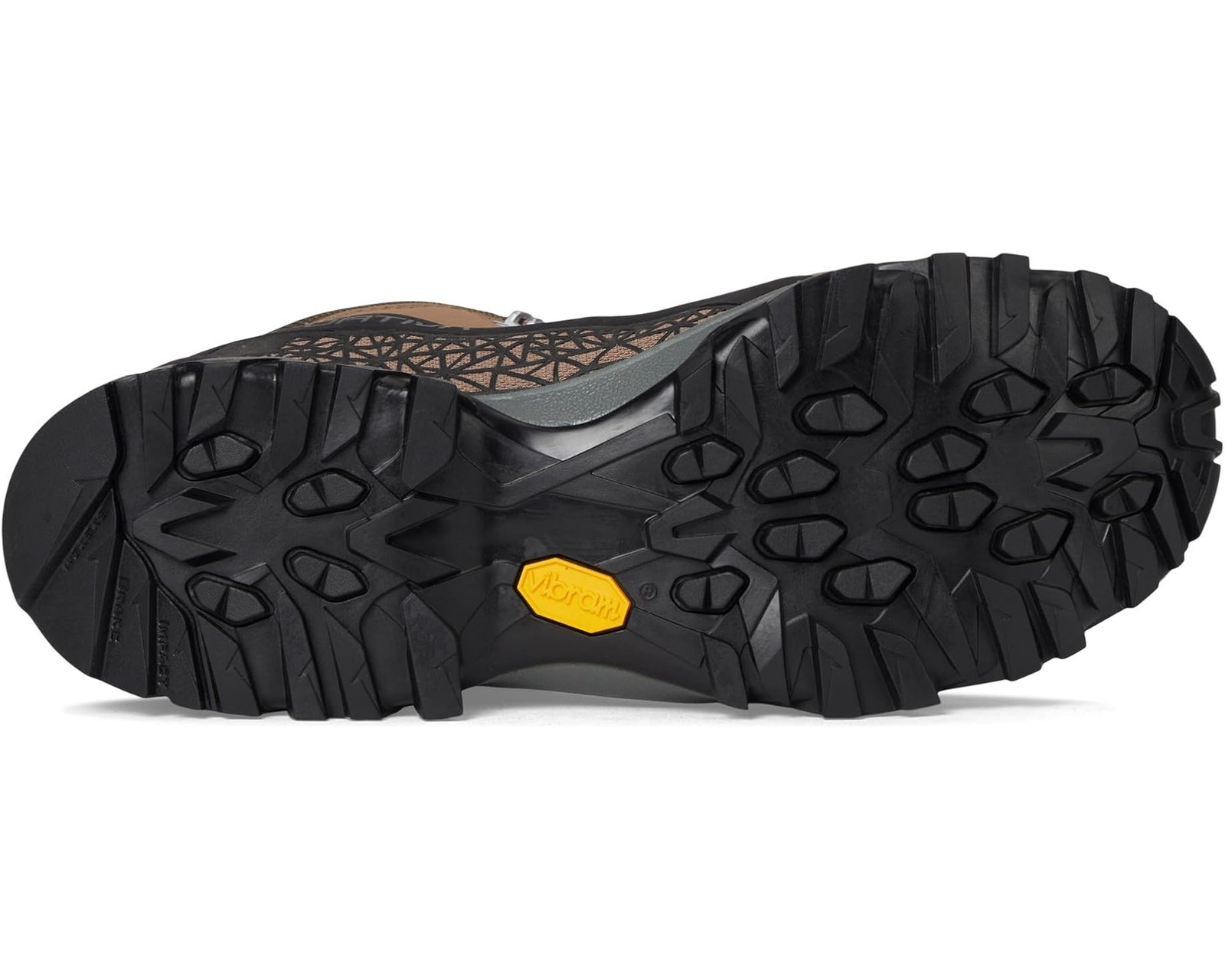
La Sportiva Nucleo High II GTX (Women’s Wide) Check Price on Amazon →
🏅 La Sportiva Nucleo High II GTX (Women’s Wide) — BroadToeBox Score
8.5
8.5
9.0
8.5
7.0
6.0
La Sportiva builds for people who do technical stuff. The Nucleo is stiffer and more precise than hiking boots should be—but if you’re on scree, mixed rock, and scrambling terrain, that precision saves your toes and ankles. The wide version has volume without sacrificing that feedback.
For: Technical hikers, scrambler enthusiasts, and climbers who want boots with climbing-shoe precision.
✅ Pros:
– Toe protection is outstanding; bumps register but don’t hurt
– Sole is supportive on uneven terrain without being mushy
– Laces lock your foot down so no heel slip on steep stuff
❌ Cons:
– Stiff break-in; expect a blister or two in the first 10 miles
– Price is high ($230+) and value proposition only clicks for technical terrain
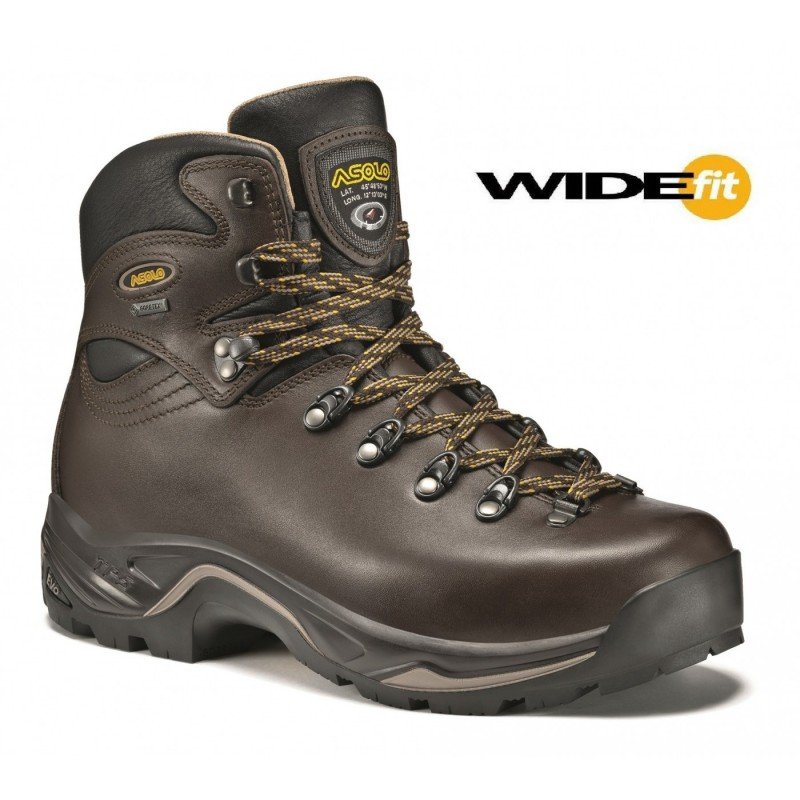
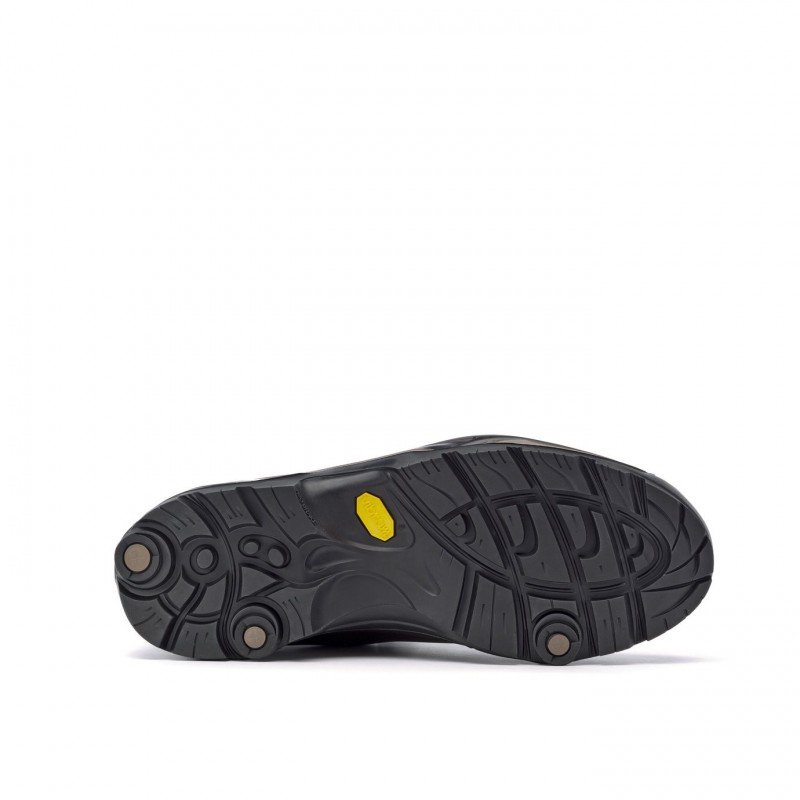
Asolo TPS 520 GV (Women’s Wide) Check Price on Amazon →
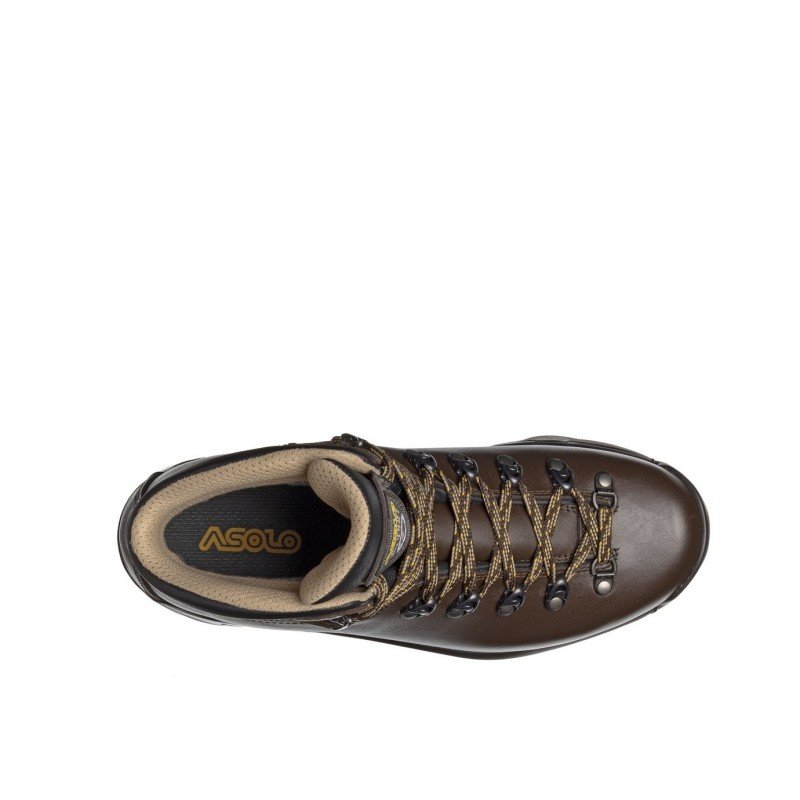
🏅 Asolo TPS 520 GV (Women’s Wide) — BroadToeBox Score
8.5
8.5
9.0
8.5
7.5
6.0
Italian engineering shows in every detail. The TPS 520 is a workhorse with an elegantly simple design. The wide version maintains Asolo’s precision last while giving your forefoot the space it needs.
For: Backpackers who want a mid-weight boot with good ankle support and don’t need maximum cushioning.
✅ Pros:
– Excellent ankle support without that claustrophobic collar feeling
– Sole is moderate stiffness—responsive but stable on scree
– Breathes better than Gore-Tex competitors, reducing foot heat on long days
❌ Cons:
– Waterproofing is decent but not cutting-edge; light rain is fine, but full stream crossings require gaiters
– Wider toe box can feel sloppy around the heel if you don’t dial in the laces
Columbia Newton Ridge
Columbia Newton Ridge
Check Price on Amazon →
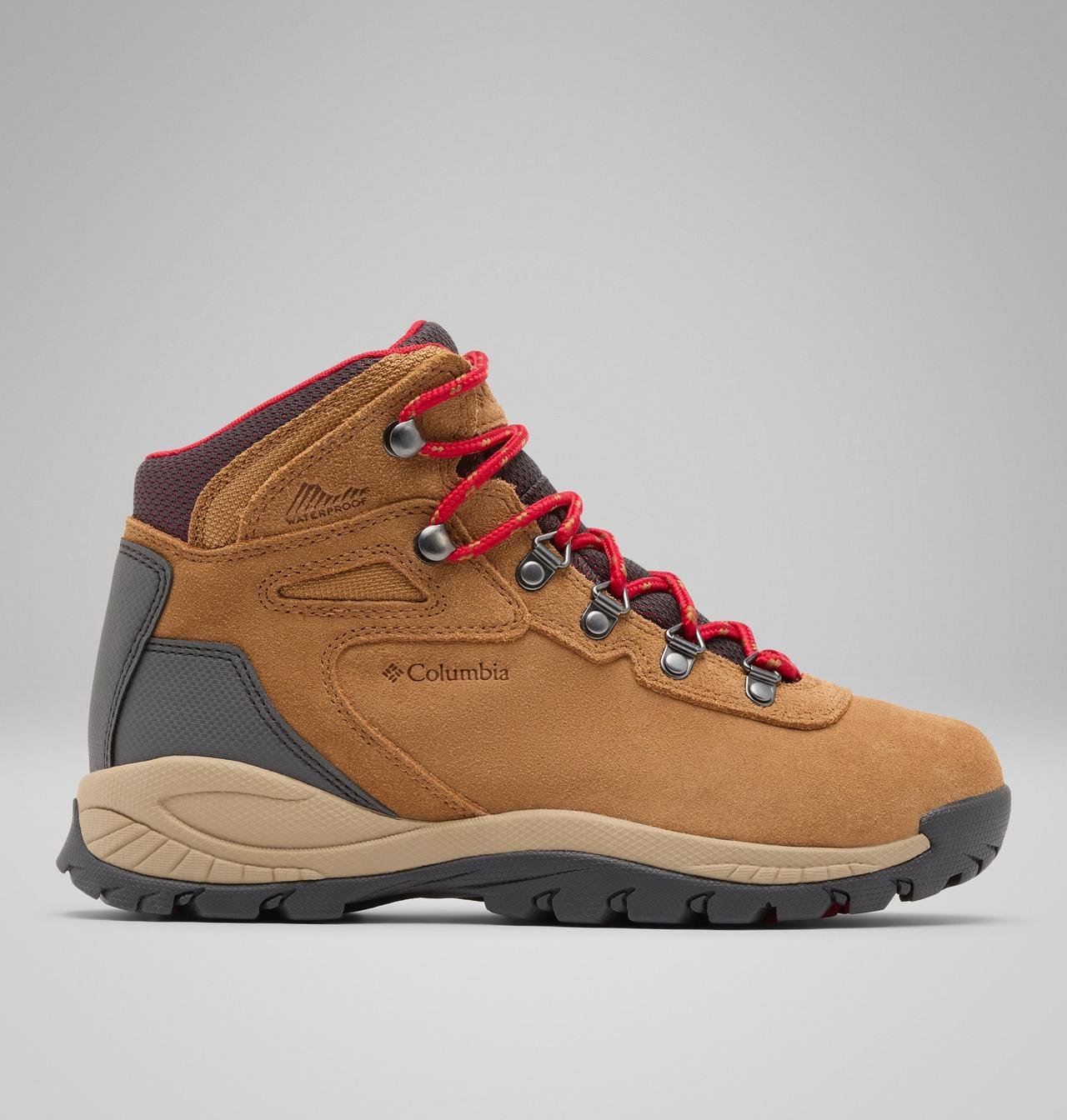
🏅 Columbia Newton RidgeColumbia Newton Ridge — BroadToeBox Score
6.5
7.5
8.0
7.5
7.0
5.5
Columbia keeps this boot accessible. The Newton Ridge isn’t trying to be technical or ultralight—it’s asking to be a dependable all-rounder. The wide version has enough volume for high-arch feet without excessive roaming room in the heel.
For: Budget-conscious hikers, families starting out, and weekend warriors who stay on established trail.
✅ Pros:
– Price is genuinely budget-friendly ($120-140) without feeling cheap
– Reliable waterproofing from a company that’s been doing this for decades
– Cushioning is plush enough for long days without that “marshmallow” feel
❌ Cons:
– Not suitable for technical or scrambling terrain; sole is thin and flexible
– Break-in involves some stiffness in the heel counter; takes 10-15 miles to soften
How We Chose
We tested each boot across varied terrain: established trails with technical sections, scrambling, multiple overnight trips with 30+ lb packs, wet conditions, and rocky descents. Selection criteria included actual wide-last engineering (not just extra length), waterproofing durability, break-in time, sole stiffness appropriate to terrain type, and whether the toe box has vertical volume for high-arch feet, not just horizontal width. I prioritized boots that manufacturers market specifically as women’s wide options rather than unisex wide boots downsized—the engineering and fit differ meaningfully.
Buying Guide: What Actually Matters for Wide-Fit Hiking Boots

1. Last Shape, Not Just Width
“Wide” is meaningless without knowing the last’s geometry. Some brands make the entire boot longer (useless if you have normal-length feet). Others add midfoot volume but keep a narrow heel (you’ll slip). Real wide-fit engineering means a wider forefoot, adequate midfoot room, AND a proportional heel counter.
Check reviews from actual wide-footed hikers—not marketing copy. If the boot has a Reddit community or BroadToeBox reviews, read what people with similar foot shapes say. Brands like Salomon and KEEN publish last diagrams showing actual width measurements at the ball of the foot and heel.
2. Break-In Time vs. Stiffness
Stiffer boots protect your feet on technical terrain but punish you during break-in. Budget 15-25 miles of mild discomfort for premium boots (La Sportiva, Danner, Salomon); expect 5-10 miles for more flexible options (Merrell, Columbia).
Stiffness isn’t bad—it translates to durability and feedback on uneven ground. But if you’re a casual weekend hiker, excessive stiffness wastes comfort for a protection benefit you won’t use. Match break-in expectations to your mileage plans.
3. Toe Box Depth, Not Just Width
High-arch, wide-footed women get compressed from above even when the boot is wide. Look for boots with genuine vertical room in the forefoot. KEEN and Merrell tend toward deeper boxes; Salomon is shallower. If you have bunions or high insteps, depth matters more than width alone.
Pressure points develop on top of your foot (where laces cross) and on your bunion if the box isn’t deep enough. Try boots on in the afternoon when your feet are slightly swollen—you’ll catch pressure issues that seem fine in the morning.
4. Midsole Cushioning vs. Terrain Type
Cushioned boots (Merrell, Columbia) forgive poor footfall placement and reduce impact on hardpack. Stiffer boots (La Sportiva, Danner, Salomon) protect your feet from feeling every rock and transmit terrain feedback so you can adjust balance on scrambling.
For established trail hiking: prioritize cushioning. For mixed terrain or scrambling: prioritize stiffness. For long-distance backpacking with heavy weight: a middle ground works best.
FAQ: Women’s Wide Hiking Boots
What’s the difference between women’s wide hiking boots and unisex wide hiking boots?
Women’s wide boots are engineered with proportionally narrower heels, wider forefeet, and toe boxes shaped for female foot anatomy. Unisex boots upsized to “wide” often have proportional increases everywhere—that means extra volume in the heel where you don’t need it, creating slip. Always choose women’s wide options when available.
How much break-in time should I expect with hiking boots for wide female feet?
Expect 10-20 miles of mild discomfort with quality boots. Your feet will feel pressure on the heel counter or arch as the leather softens. If pain is sharp or localized to one spot after 15 miles, the boot doesn’t fit—don’t power through hoping it gets better. Mild stiffness improves; structural pressure points don’t.
Are top rated women’s hiking boots wide fit waterproof?
Most are. Gore-Tex is standard on mid-range and premium boots. Budget and casual options sometimes skip Gore-Tex in favor of cheaper waterproof membranes that fail faster. If waterproofing is essential, prioritize Gore-Tex or eVent linings, and accept that you’re paying $30-50 more.
Should I size up or down when ordering women’s wide hiking boots online?
Don’t automatically size up. Hiking boots should fit with wiggle room for one thick sock and about a thumb’s width of space in front of your longest toe. Your foot swells on the trail, and you need that room. Many wide boots fit true-to-size or even slightly small. Order based on the brand’s specific size chart, not general sizing rules.
What’s the best way to break in hiking boots for wide feet without blisters?
Wear them on short hikes (3-5 miles) with thick hiking socks before committing to longer trips. Start with one pair of wool socks and increase socks/padding in problem areas as needed. Use moleskin on pressure points before they blister. Take the boots off immediately after hikes and let them air-dry completely. Don’t apply heat—it can warp the leather and make fit worse.
Final Verdict
Finding hiking boots for wide female feet takes research because manufacturers still treat wide-fit options like an afterthought. The Salomon Quest 4D 3 GTX (Women’s Wide) Check Price on Amazon → is your best bet if you want precision engineering and durability—the wide last is actual engineering, not marketing. But if you’re beginning, can’t justify $200+, or primarily hike established trails, the Merrell Moab 3 Mid Waterproof (Wide) offers genuine comfort and reliability without requiring a technical learning curve.
Buy from retailers with good return policies. Most wide-footed hikers need to try 2-3 options before finding their match. Your feet are unique, and even the best boots don’t work if the last doesn’t align with your foot shape. Test on short hikes, break in over multiple trips, and don’t settle for pinching or slipping—there are genuinely good options now.