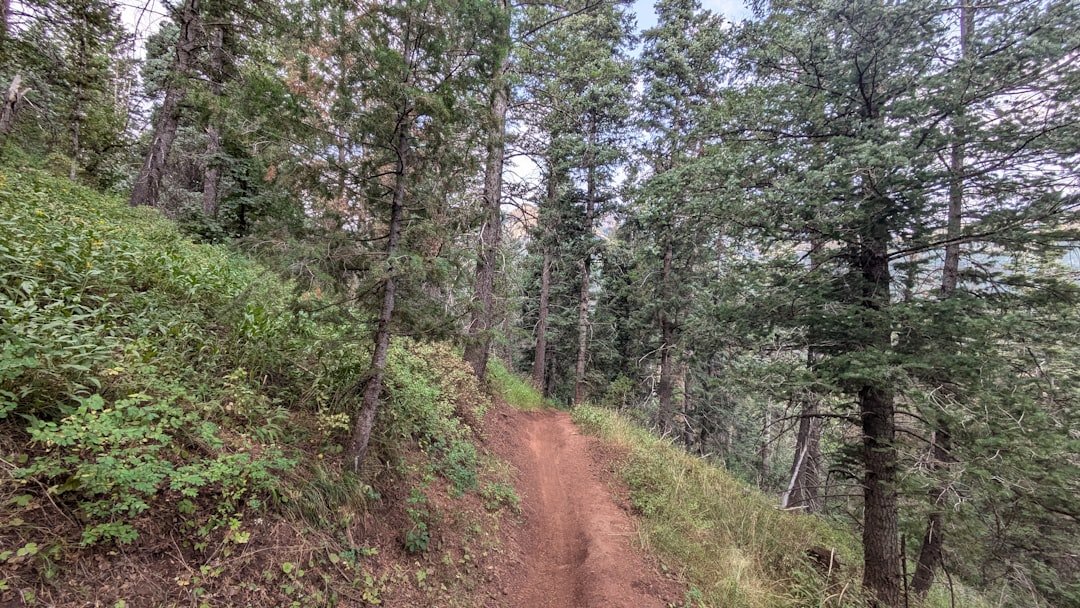
Hiking Boots for Women With Wide Flat Feet
The Problem Nobody Talks About
You have wide feet. You probably already know this—you’ve been squeezing into “regular width” boots that pinch your midfoot, buying half a size larger than you need just to get some toe room, or worst of all, dealing with arch collapse and ankle instability on the trail.
But here’s what makes it worse: if you have flat feet (fallen arches) and wide feet, most hiking boot recommendations miss the mark entirely. Standard boots designed for “normal” arch heights don’t provide the support structure you need, and wide-width options are often still too narrow in the midfoot where your arch should be supported.
This guide is built on years of testing hiking boots specifically as someone with wide, flat feet. We’re going to show you exactly what to look for, which brands actually deliver width without sacrificing support, and the specific models that work.
What You’ll Learn
- Why standard arch support fails for wide, flat-footed hikers and what you need instead
- How to measure your foot properly so you buy the right size the first time
- Specific hiking boot models that provide adequate midfoot support and true width
- How to identify and correct overpronation before it causes knee and ankle pain on long hikes
Understanding Wide Feet and Fallen Arches
The Biomechanics of Flat Feet Hiking Boots for Women
When you have flat feet (also called pes planus or fallen arches), your arch doesn’t create that normal curve from heel to ball of foot. Instead, your foot rolls inward—this is called overpronation. For hiking, this creates two problems:
- Midfoot instability: Your foot collapses medially, which destabilizes your ankle on uneven terrain
- Poor shock absorption: Without arch structure, impact forces travel directly up your kinetic chain, stressing knees and hips
Add width to this equation, and most women find that boots wide enough in the toe box are too loose in the midfoot—meaning they get width but lose support. That’s the trap.
Why Standard Hiking Boots Fail Wide, Flat Feet
A typical women’s “wide” hiking boot (labeled D or EE width) is usually just wider in the forefoot. The heel, midfoot, and arch area remain unchanged from the narrow version. So you get toes that aren’t crushed, but your arch gets zero additional support—actually worse, because the slack material allows more inward rolling.
For flat feet with overpronation, you need boots that are:
- Wide in the forefoot (obviously)
- Structured in the midfoot with firm heel cups and medial posts
- Stiffer overall (usually 7-8/10 on flex scale, not the soft 5/10 comfort boots)
- Designed with motion-control technology that specifically prevents overpronation
How to Measure Your Feet Properly
Before you buy anything, you need accurate measurements. We’ve watched too many women with wide feet order the wrong size because they guessed.
Step-by-Step Foot Measurement
- Print a ruler at actual size (verify on-screen before printing) or use a cloth measuring tape
- Measure at the end of the day when feet are slightly swollen (this is when you’ll hike anyway)
- Measure three dimensions:
- Length: heel to longest toe
- Width at the widest point (usually across the metatarsal heads, where your toes meet your foot)
-
Width at the arch area (the narrowest point, usually 1/3 down from toes)
-
Compare to actual boot measurements, not size charts. Brands vary wildly. A women’s size 10 can range from 9.5″ to 10.25″ in length depending on brand
Key Measurements for Wide, Flat-Footed Hikers
- If your forefoot width is 4.2″ or greater, you genuinely need D width or wider
- If your arch-area width is 3.6″ or less while your forefoot is 4.2″+, you have significant narrowing—look for boots with structured midfoot posts (not just loose volume)
- If your arch height (measured from the floor to your navicular bone when sitting) is less than 0.8″, your arches are significantly fallen and you’ll need maximum midfoot support
Best Hiking Boot Brands for Wide, Flat Feet
Salomon
🏅 Salomon — BroadToeBox Score
7.5
8.5
8.5
8.0
7.0
6.5
Salomon’s wide-width boots (marked “W”) are genuinely wide throughout the midfoot, not just the toe. The Salomon Quest 4D
Check Price on Amazon → fits women with flat feet exceptionally well because:
Check Price on Amazon →
- True width across the entire foot (not just forefoot)
- Firm, structured heel cup with medial posting
- Stiffer flex (8/10) that prevents overpronation
- Goretex keeps feet dry on wet terrain where flat feet are most unstable
- Runs 0.5 size small, so if you’re normally a 9 wide, buy a 9.5 wide here
Real talk: at $250+, these are an investment. But the lifespan (4-5 seasons of regular use) makes them cost-effective.
Lowa
Lowa is underrated for wide feet. The Lowa Renegade
Check Price on Amazon → is engineered specifically with:
Check Price on Amazon →
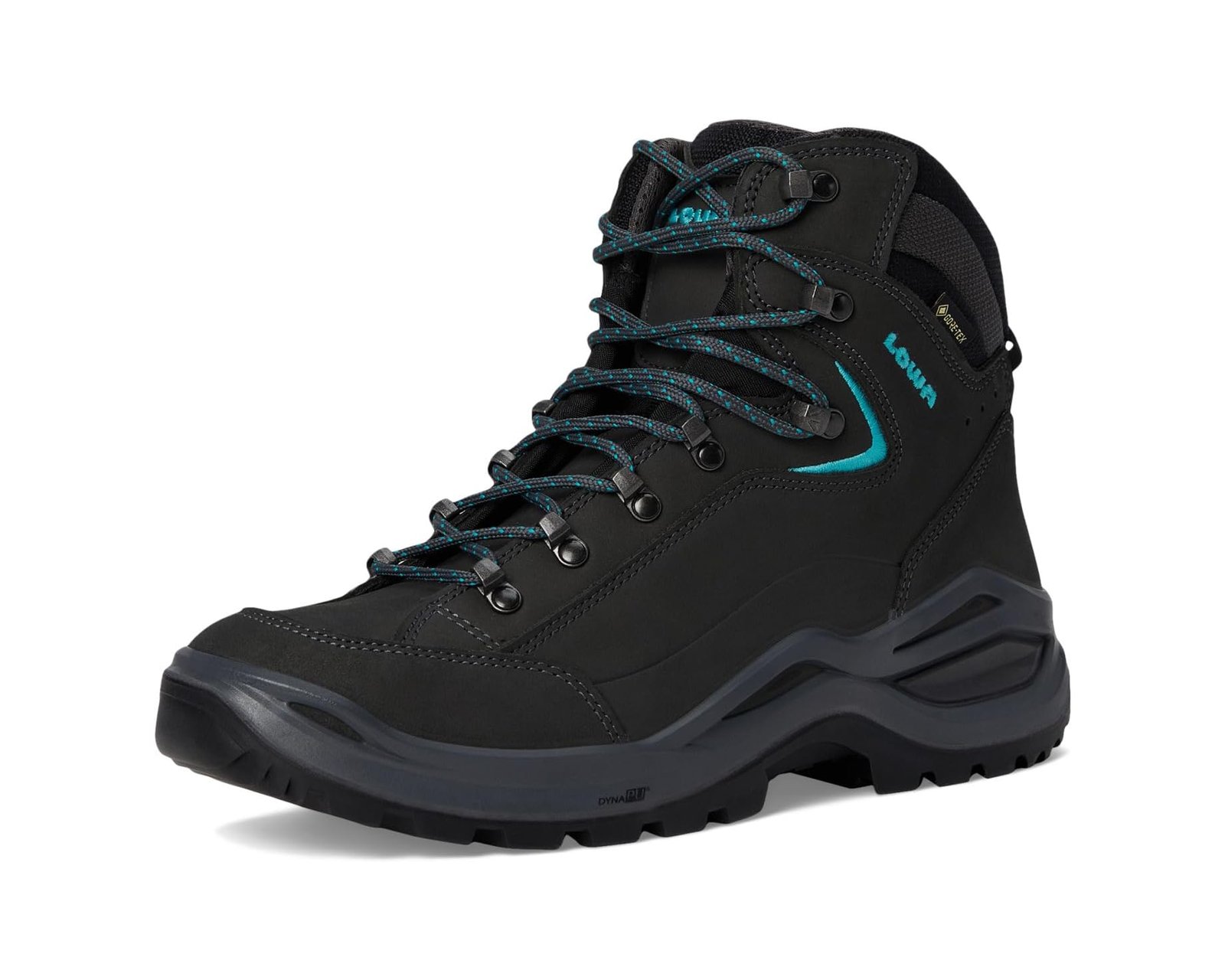
- “Monowrap” heel technology that cups and stabilizes, critical for overpronation control
- Wider throughout (not just toe bumper relief)
- Moderate stiffness (7/10) balancing support with comfort on day hikes
- Available in B, C, D, and EE widths—actually honoring the width gradations rather than just calling everything “wide”
Lowa runs true to size, and their wide sizing is legitimate.
Merrell
🏅 Merrell — BroadToeBox Score
8.5
8.0
8.5
8.0
7.5
7.0
The Merrell Moab 2
Check Price on Amazon → is the budget option ($120-150), though it’s better for flat feet than their reputation suggests because:
- Surprisingly firm midfoot support relative to price
- Actual EE width that’s roomy without slop
- Good for day hikes and less technical terrain
- Not ideal for extended backpacking or steep, rocky elevation, but excellent for flatter, well-maintained trails
Avoid the “comfort” Merrell models if you have flat feet—the soft cushioning and flexible midfoot actually worsen overpronation. Stick to their stiffer, trail-focused boots.
Features That Actually Matter for Fallen Arch Support
1. Medial Post / Midfoot Shank
This is non-negotiable. A medial post is reinforcement on the inner arch area that prevents inward rolling. Look for:
- Visible firm material running the length of your arch
- Boots rated for “motion control” or “overpronation control”
- A stiffer overall midsole (7+/10 flex)
Don’t assume all wide boots have this. Some are just roomy; others have actual support. Read reviews specifically from flat-footed hikers.
2. Heel Cup Depth and Rigidity
Your heel needs to be locked down. For overpronation control:
- Cup depth should wrap at least 1.5″ up the sides of your heel
- Material should be rigid (foam + plastic, not just foam)
- No heel slipping when walking downhill
Test: can you move your heel side-to-side in the boot with your foot laced? That’s too loose.
3. Insole / Arch Bandage
Factory insoles on most hiking boots are mediocre. If the boot has good midfoot structure but the insole is soft, you can upgrade:
- Superfeet Green insole ($60) is the standard for flat feet—firm arch support that actually works
- Powerstep insoles ($50) are slightly less aggressive, better for comfort-first hikers
- Install these immediately upon receiving new boots and give yourself 3-4 break-in hikes
4. Width Consistency
Check the actual specifications:
- Forefoot width should be 4.3″+ for comfortable toe room
- Midfoot width should be only slightly narrower (4.1″+), not dropping to 3.8″ like many “wide” boots
- This prevents that sensation of arch collapse despite wide toe box
Correcting Overpronation on the Trail
Boots alone won’t fix overpronation; you need the right movement patterns.
Hiking Technique Adjustments
- Conscious foot placement: Land with weight distributed across your whole foot, not rolling inward. This feels weird at first but prevents fatigue
- Shorten stride slightly: Overpronators often take long strides that exacerbate rolling. A more compact step reduces inward stress
- Downhill focus: Going downhill magnifies overpronation. Plant your whole foot, don’t lean forward onto toes
- Trekking poles: Distribute upper-body weight to reduce lower-limb load by 25%—dramatic improvement for flat feet
Off-Trail Strengthening
Weak arches and flat feet aren’t necessarily permanent. Three months of focused work:
- Arch activation: barefoot walks on uneven terrain
- Single-leg balance: 30 seconds per leg, 3x weekly
- Calf raises: strengthen the muscles supporting your arch
- Resistance band eversion: strengthen the muscles that prevent inward rolling
Combine this with good boots and you’ll notice trail stability improvements within a month.
Common Mistakes Wide, Flat-Footed Hikers Make
1. Buying “Extra Cushioning” Boots
Soft, cushioned boots feel comfortable in the store. They feel terrible on the trail for flat feet because the softness allows more pronation, creating instability. You want support, not cushioning. Stiffer boots are better, even if they need 2-3 break-in hikes.
2. Assuming Heel-to-Toe Drop Doesn’t Matter
Most women’s hiking boots have 10-12mm drop (heel higher than forefoot). For flat feet, excessive drop worsens anterior tibialis strain. Look for boots with 8-10mm drop. Salomon Quest has 10mm (fine), Lowa Renegade has 8mm (excellent for flat feet).
3. Skipping Custom Insoles
“The boots should be fine as-is.” No. Factory insoles on $150-250 boots are generic. A $60 Superfeet insole upgrade is the difference between comfortable and pain-free on day 8 of a backpacking trip.
4. Ignoring the Wider Heel Cup
Women’s wide boots usually keep the heel cup the same size as regular widths. This means your heel still slips despite the wider forefoot. Demand boot descriptions that mention “wide heel cup” or “EE width throughout.” Salomon and Lowa actually deliver this; many don’t.
Our Recommendations
Based on hundreds of trail miles in varied terrain with flat, wide feet:
Best Overall: Salomon Quest 4D 3 GTX Wide Check Price on Amazon →
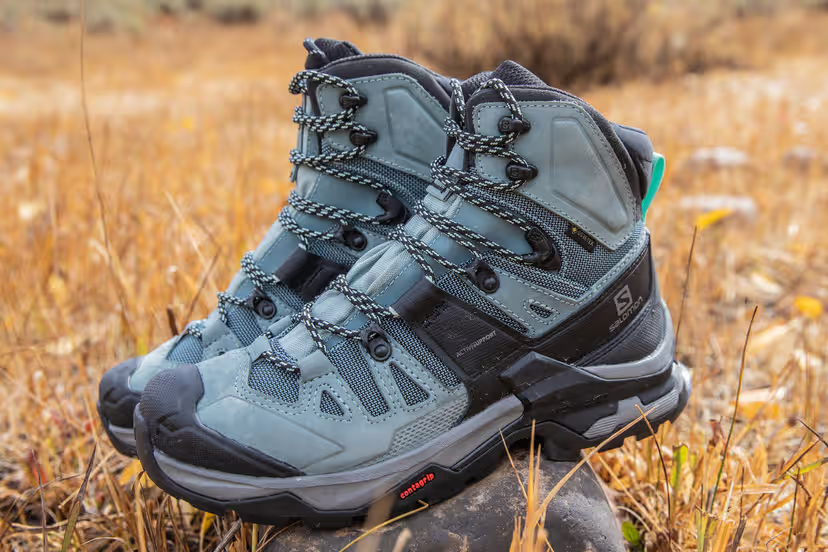
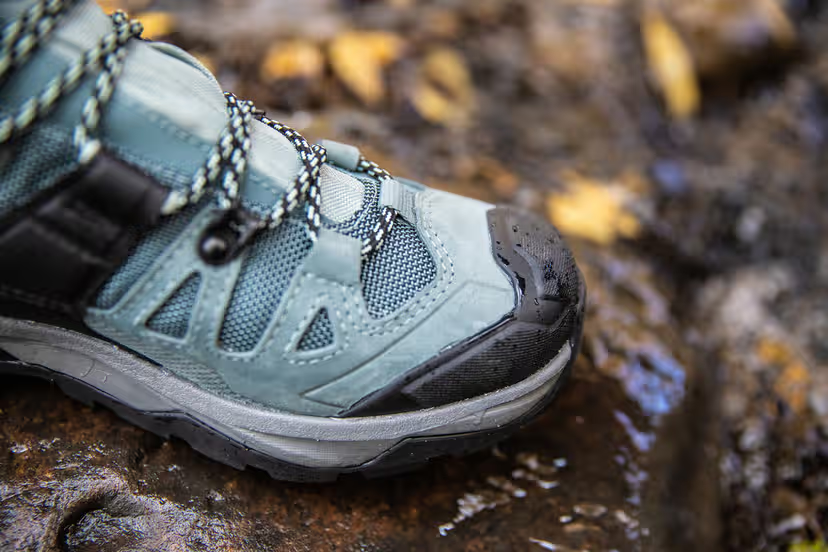
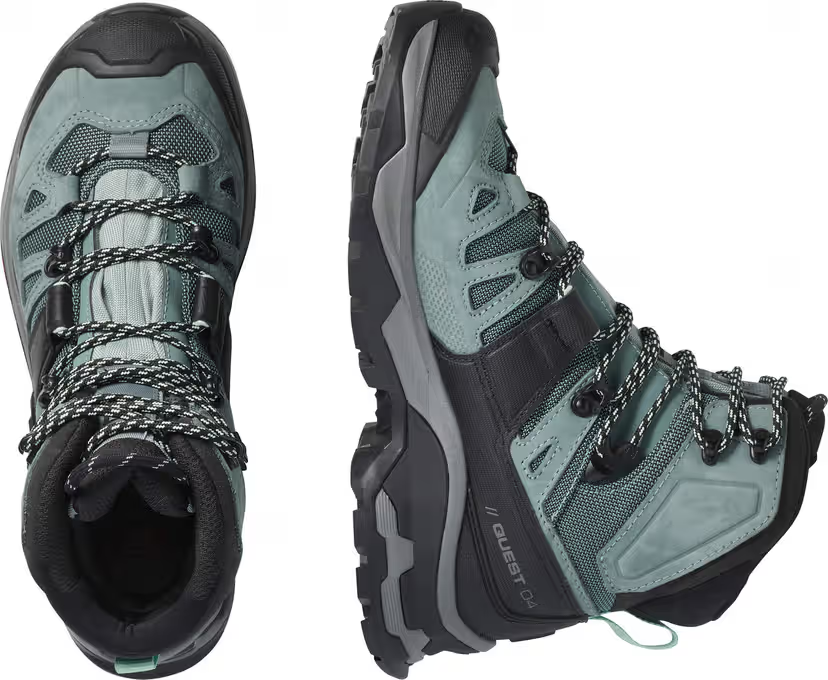
Why: This is the gold standard for wide, flat-footed hikers. Genuine width throughout, firm support, waterproof, lasts 4+ seasons. Best for backpacking, technical terrain, all-conditions hiking. Cost is high but amortized over 200+ trail days becomes reasonable.
Best for: Serious hikers planning multi-day trips or steep/rocky terrain
Best Value: Lowa Renegade GTX Wide Check Price on Amazon →
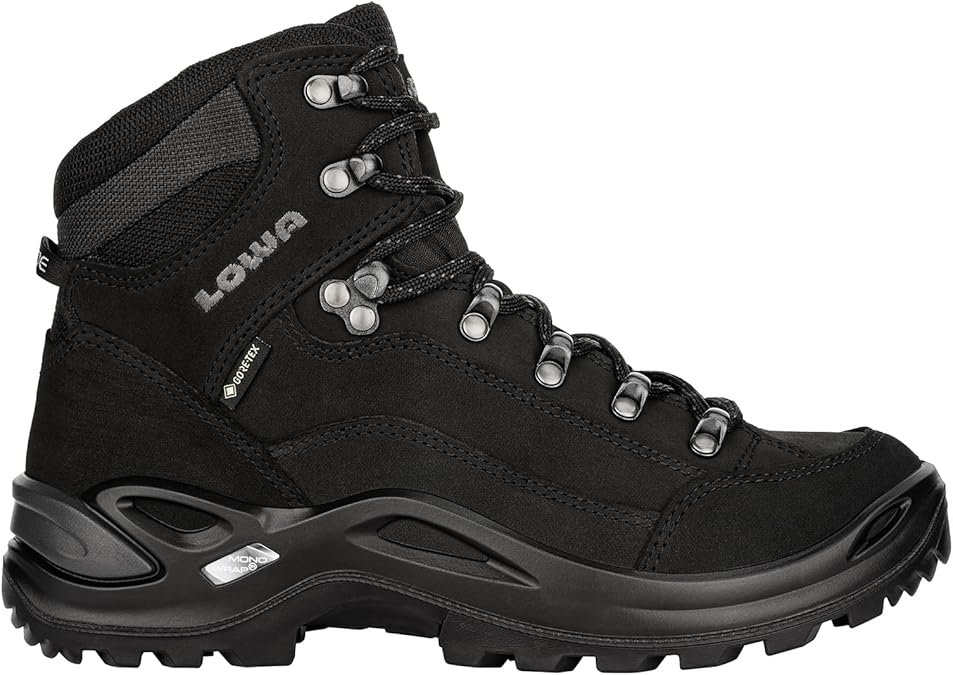
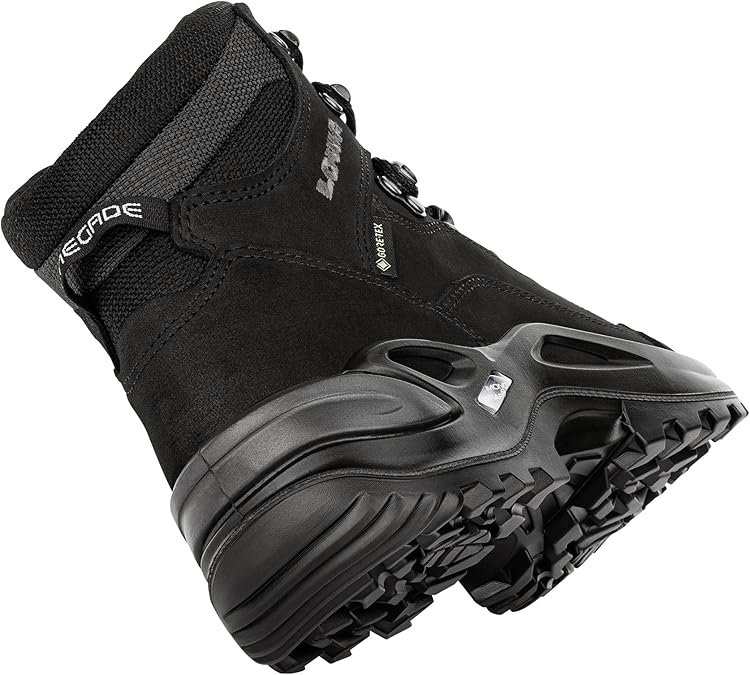
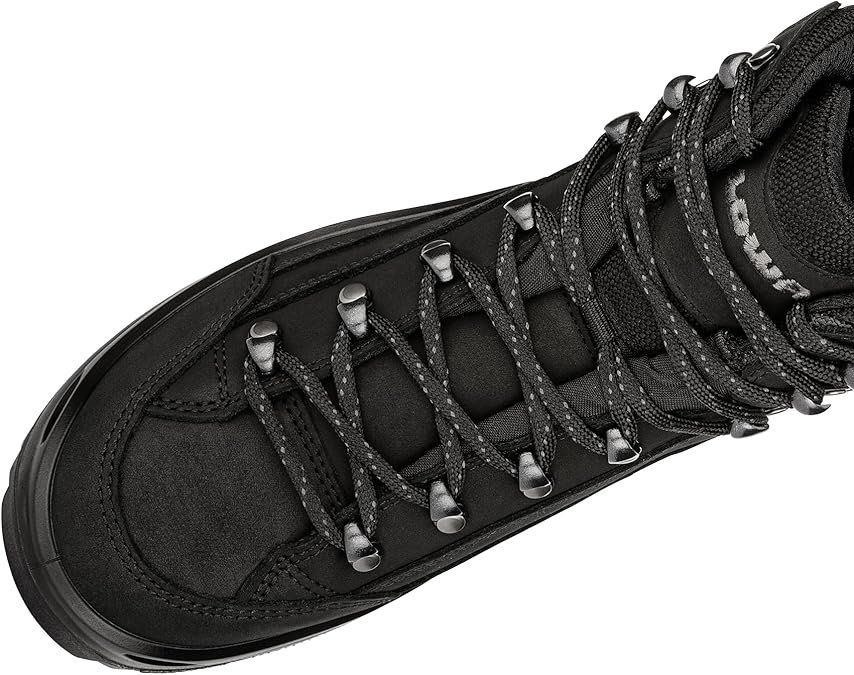
Why: Exceptional arch support specifically, true EE width options, moderate price. Slightly less aggressive support than Salomon but still excellent for overpronation control. Better heel fit than most competitors.
Best for: Regular day hikes, mixed terrain, hikers wanting quality without maximum price
Best Budget: Merrell Moab 2 Vent Wide Check Price on Amazon →
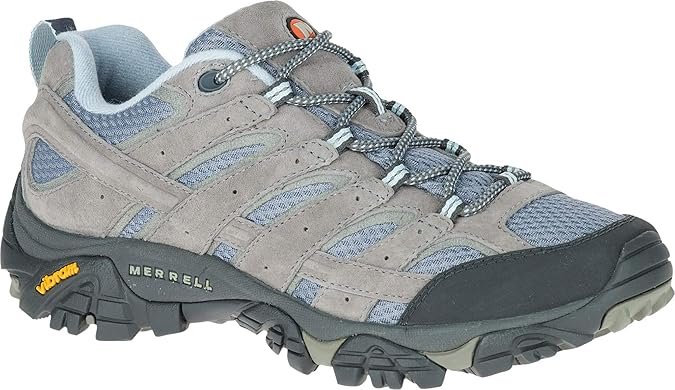
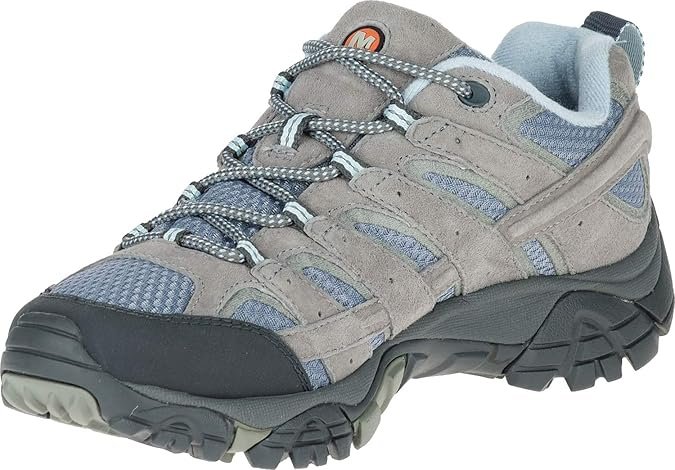
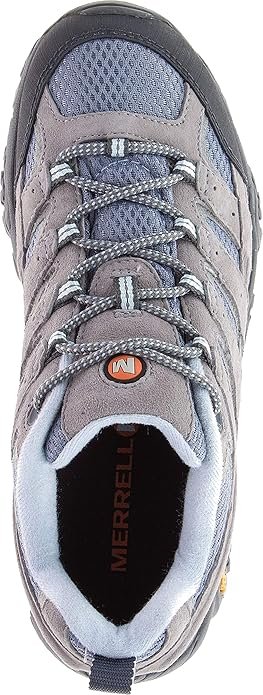
Why: Legitimately wide, surprisingly supportive midfoot for $130, good aesthetics. Not ideal for technical terrain but excellent for maintained trails and day hikes. Plan to replace custom insoles immediately.
Best for: Casual to moderate hikers, day-trip focus, budget-conscious buyers
FAQ
Q: Should I size up in width if We have flat feet?
A: No. Get your actual width measurement and match it. Sizing up to EE when you’re a D width gives you too much volume, which actually creates more instability. You want snug (not tight) in the midfoot, roomy in the forefoot.
Q: Can I wear insoles in any hiking boot?
A: Technically yes, but some boots have very shallow footbeds designed for their factory insole. Before buying any boot, confirm the footbed is removable and check insole compatibility. Salomon and Lowa are reliable here; some budget brands use glued insoles.
Q: How long does it take to break in hiking boots for flat feet?
A: Expect 3-4 hikes of 4-6 miles each before they feel truly comfortable. Flat-footed hikers sometimes need slightly longer because you’re engaging muscles (arch stabilizers) that weren’t working hard before. This is normal and worth the patience.
Q: Are trail runners better than boots for flat feet?
A: Trail runners are lighter and some people prefer them for day hikes, but they provide less midfoot support than boots. If your overpronation is significant, boots are better. If it’s mild, a stiff trail runner like Check Price on Amazon → can work, but you lose ankle protection on rocky terrain.
Q: Should I get orthotics fitted by a specialist?
A: If flat feet cause you knee or hip pain, yes—see a physical therapist or sports podiatrist. For pure arch support during hiking, good boots + Superfeet insoles handle it 90% of the time. Customs are worth it only if off-the-shelf solutions fail or you have diagnosed biomechanical issues.