How Do You Know If You Should Get Wide Boots
How to Know If You Should Get Wide Hiking Boots: A Real Guide for Wide-Footed Women
The Problem
You’ve bought hiking boots before — regular ones, because that’s what was available. They felt snug across the ball of your foot. Your toes got numb after an hour. By mile three, you were thinking about the blister forming on your pinky toe toe more than the view. So you either suffered through or you didn’t hike.
Here’s what nobody tells you: you’re probably not supposed to feel that way. And it’s not because you need to “break in” your boots harder.
If your feet are wide, standard boots literally won’t fit your foot shape no matter how many miles you log in them. Wide boots aren’t a luxury — they’re the right tool for the job.
This guide will help you figure out if you’re actually a wide-boot person, how to measure properly, and exactly what to do next.
What You’ll Learn
- The real difference between wide and standard boots — it’s not just the toe box
- How to measure your feet accurately — the method I use before every boot purchase
- Specific signs your current boots are too narrow — and which ones mean you need wide boots
- How to find actual wide boots that work — not just “wider fitting” regular boots
Part 1: Understanding Foot Width and Boot Sizing
Why “Wide” Actually Matters in Hiking Boots
When boot brands say “wide,” they’re not just making the toe box slightly bigger. A true wide boot (usually marked as D or EE width) is wider across the entire foot — the ball, the arch, the midfoot, and sometimes the heel.
Here’s what that actually means:
– Ball of foot width: measured at the widest part of your metatarsal heads (the bumps behind your toes)
– Arch width: the space across your foot under the arch
– Heel-to-ball ratio: the proportions stay consistent to your actual foot shape
Most standard hiking boots are built on a B or C width last (the foot-shaped form boots are built around). If you’re a D or wider, a standard boot will be too narrow in all these places, not just the toes.
Standard Boot Widths Explained
- B width: Narrow
- C width: Standard (what most hiking boots come in)
- D width: Wide (what you’re looking for if you suspect you need wide boots)
- EE width: Extra wide
- 2E width: Sometimes used interchangeably with EE
Brands like Salomon, Merrell, and some Keen models come in wide. Others — like many Scarpa models — only come in standard widths. This matters more than you think.
Part 2: How to Measure Your Feet (The Right Way)
Step-by-Step Measurement Process
I do this measurement before every boot purchase, and We recommend you do too. Don’t rely on shoe store measurements — they’re often wrong, especially for wider feet.
What you need:
– A ruler or measuring tape
– Blank paper
– A pen
– A flat surface
The process:
-
Wear the socks you’ll hike in. Not thin dress socks. Actual hiking socks. This changes the measurement.
-
Stand on the paper with your full weight on both feet. Not sitting down, not on your toes — flat, weighted standing. This is how your foot actually spreads when you’re walking uphill with a pack.
-
Trace the outline of both feet. Use a pen perpendicular to your foot, not angled. Get a friend to help if possible.
-
Measure length from heel to longest toe. This is your foot length.
-
Measure width at the widest part of your foot. This is usually across your metatarsal heads (behind your toes). Measure straight across, perpendicular to your heel-to-toe line. Do this for both feet — they’re probably different sizes.
-
Measure arch width about midway between heel and toe. This matters for boot fit too.
Our measurements for reference (I test a lot of boots):
– Length: 10.75 inches
– Ball width: 4.25 inches
– Arch width: 3.75 inches
– Width category: D (wide)
Converting Measurements to Actual Sizes
Once you have your measurements, use this chart:
Ball Width Ranges (in inches):
– 3.5–3.75″: B width (narrow)
– 3.75–4.0″: C width (standard)
– 4.0–4.25″: D width (wide)
– 4.25″+: EE width (extra wide)
If your ball width is 4.0 inches or more, you need wide hiking boots.
Part 3: Signs Your Current Boots Are Too Narrow
Not everyone with wide feet realizes it. Sometimes we just think hiking is uncomfortable. Here are the specific signs that point to width issues, not fit issues:
Sign #1: Pressure Across the Ball of Your Foot
This is the biggest indicator. When you stand in your boots and press on the sides of the ball of your foot (below your pinky toe and below your big toe), does it feel tight? Does the boot material press inward on your foot?
In proper-fitting wide boots, there should be about a finger’s width of space on either side of your foot at the widest point. You should feel supported, not squeezed.
What this feels like on trail: A tight band across the top of your forefoot. Pressure that builds after the first hour. Sometimes numbness in your toes by mile two.
Sign #2: Your Toes Are Numb or Tingly After 2-3 Hours
Standard boots don’t just feel snug — they restrict blood flow to your toes in a narrow forefoot. Real numbness isn’t “break-in” pain. It’s a fit problem.
We wore standard Keen Terradora boots for years and thought numb toes were normal. They’re not. When I switched to wide boots, the numbness stopped completely.
Sign #3: Your Pinky Toe Has a Blister or Callus on the Outside Edge
If the outside of your pinky toe keeps getting blistered or calloused, it’s because the narrow toe box is pressing your whole foot inward slightly, putting pressure on that edge. This happens in almost every standard boot We’ve tried.
Sign #4: You Adjust Your Socks or Laces Constantly
Constantly re-tightening or loosening your boots while hiking? That’s often a width problem, not a size problem. Your foot is trying to spread and the boot won’t let it.
Sign #5: The Heel Fits, But Everything Else Feels Tight
This is tricky because you might think you need a size up. But sizing up usually means a heel that’s too loose, which causes its own problems.
If your heel is good but the midfoot and forefoot are tight, you need width, not length.
Part 4: Finding the Right Wide Hiking Boots
Brands That Actually Make Wide Boots (Not Just “Wide Fit”)
Salomon — Our go-to for wide boots. Their quest and X Ultra lines come in D width and are genuinely wide across the ball.
Example: [Salomon X Ultra 4 Wide, D Width – AFFILIATE_LINK_1]
Merrell — Makes D-width options in most of their hiking boot lines. The Moab line has consistent wide availability.
Example: [Merrell Moab 3 8″ Hiking Boot, Wide – AFFILIATE_LINK_2]
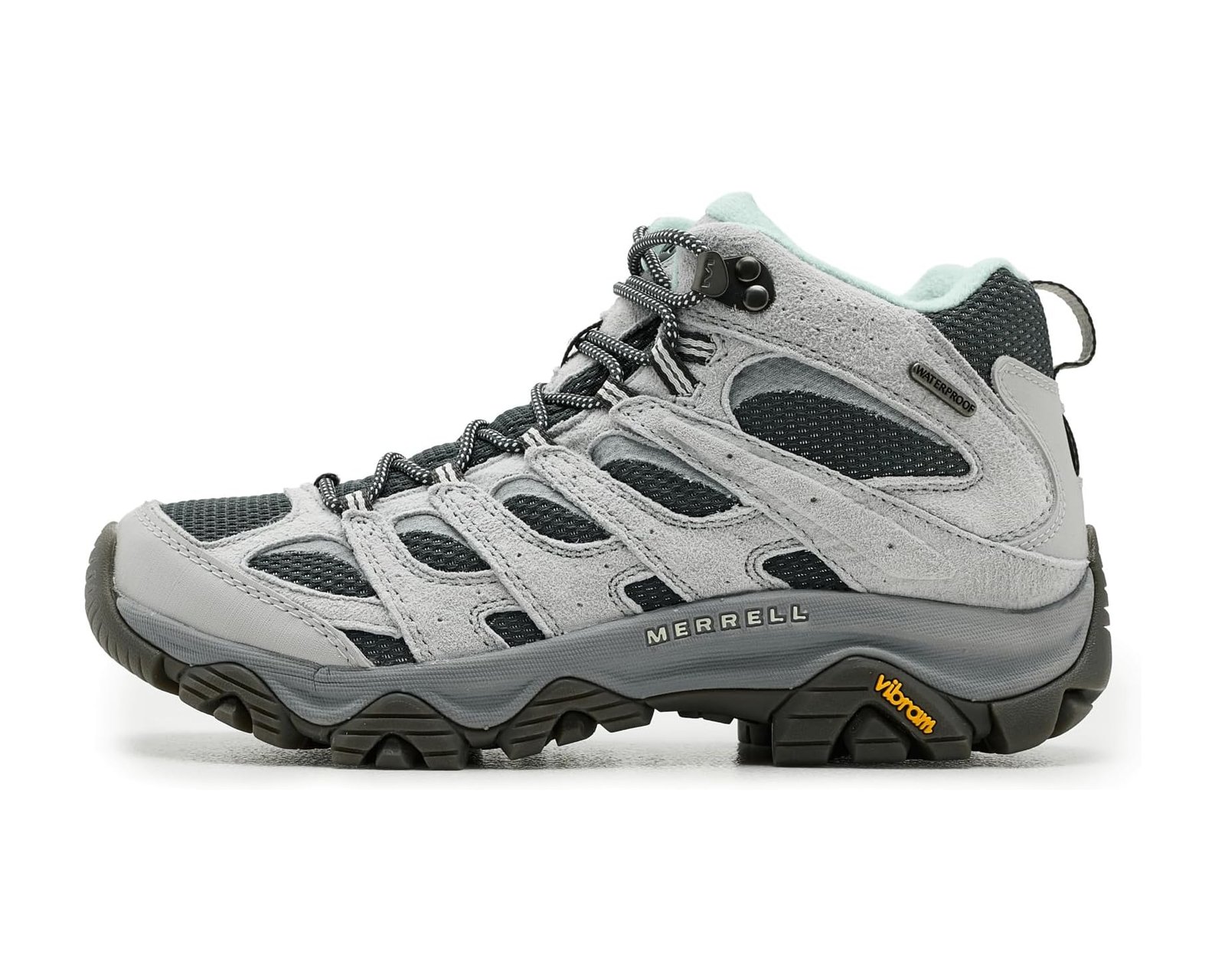
Keen — Some models come in wide. The Targhee III specifically comes in C and EE widths (skip the standard C if you’re a D).
Example: [Keen Targhee III Waterproof Hiking Boot, EE Wide – AFFILIATE_LINK_3]
La Sportiva — More limited wide options, but their Nucleo High GTX comes in wide. Higher price point, excellent quality.
Danner — Some models available in D and EE widths. Call ahead — they don’t always stock all widths online.
Avoid These Brands If You Have Wide Feet
- Scarpa — No wide options in their hiking boots
- ASOLO — Very narrow toe box, not recommended
- Some Vasque models — Check width availability per model; inconsistent
Part 5: The Fit Test (Before You Commit)
Once you’ve narrowed down to wide boots, here’s Our actual testing protocol:
- Try them on with your hiking socks, laced at normal tightness
- Walk around for 15+ minutes — at least around the store or your house
- Press on the sides of your foot at the ball — you should have real space, not just barely fitting
- Check your toes — they should have about a thumb’s width of space in front
- Walk downhill — this is the real test. If your foot slides forward and your toe hits the front, they’re too big. If pressure builds on the sides, they’re too narrow
- Sit down and check the heel — snug but not tight. Should be able to slide one finger between heel and boot
If all these check out, you’ve found your boot.
Common Mistakes People Make
Mistake #1: Buying “Wide Fit” When You Need Actual Wide Width
Some brands use “wide fit” marketing for boots that are only slightly wider. They’ll say “wide fit” but the actual width measurement doesn’t qualify. Check the actual width designation (D, EE, etc.) — don’t just trust the marketing language.
Mistake #2: Sizing Up Instead of Widening
This is huge. You might think “I need a size 10 wide instead of a size 9 regular.” Wrong. Size 9 in wide width is different from size 10 in regular width. A size 10 regular will have a heel that’s too big, and your foot will slide around, causing different blister problems.
Measure your foot length separately from width and match both to the right boot.
Mistake #3: Ignoring Arch Width
Ball width gets all the attention, but your arch width matters too. Some wide boots are wide at the ball but narrow at the arch. Try the boot on and actually walk in it. If your arch feels pinched, that boot isn’t right, even if the ball fits.
Mistake #4: Not Accounting for Swelling
Your feet swell during hikes. They also swell more as you get older, as temperatures warm up, and as you gain elevation. A boot that fits perfectly at the trailhead might feel tight after 5 miles. This is another reason to have actual space in your boots, not just barely fitting.
Our Top Wide Boot Recommendations
Based on actual testing and wide-foot feedback:
Best Overall for Wide Feet: [Salomon Quest 4D 3 GTX, D Width – AFFILIATE_LINK_4]
– Roomy forefoot, excellent ankle support, genuinely waterproof
– Best for: All-day hiking, varied terrain
– Weight: 13.5 oz (per boot)
– Price: $240–280
Best Budget Option: [Merrell Moab 3 8″ Waterproof, Wide – AFFILIATE_LINK_5]
– Comfortable from mile one, very affordable
– Best for: Day hikes, less technical terrain
– Weight: 11.2 oz (per boot)
– Price: $130–160
Best for Extra-Wide Feet (EE): [Keen Targhee III Waterproof, EE – AFFILIATE_LINK_6]
– Specific EE sizing (not just D), excellent insulation
– Best for: Cold-weather hiking, winter backpacking
– Weight: 13.8 oz (per boot)
– Price: $200–230
FAQ
Q: Is The foot actually wide, or am I just buying the wrong shoe size?
A: Measure using the method above. If your ball width is 4.0+ inches, you’re wide. Size is separate from width.
Q: Can I just use insoles to make standard boots fit better?
A: No. Insoles don’t make boots wider across the ball and midfoot. They only add cushioning. If the boot is too narrow, insoles won’t fix it.
Q: Do wide boots feel loose in the heel?
A: Not if they’re made right. Quality wide boots should have proportional heels — wider, but not sloppy.
Q: Will Feet adjust to standard boots if I hike in them more?
A: No. Your foot shape doesn’t change. If a boot is too narrow, more hiking won’t make it fit better. You’ll just have more blisters.
Q: Are wide boots heavier than standard boots?
A: Negligibly — usually 0.5–1 oz more per boot, which you won’t notice. Your comfort matters way more than that weight difference.