How to Find Hiking Boots That Fit Wide Feet
The Real Problem With Finding Wide Hiking Boots
| Product | Best For | Price | Rating | Link |
|---|---|---|---|---|
| How to Find Hiking Boots That Fit Wide Feet | Best Overall | — | ★★★★★ | Check Price → |

You’ve been there: you find a hiking boot that looks perfect, has great reviews, and fits your heel perfectly. But the moment you try to lace it up, your foot feels squeezed across the ball and forefoot like it’s in a vice. You can’t even get your toes all the way to the end. So you size up, and now your heel slips with every step downhill.
This isn’t a you problem—it’s a boot design problem. Most hiking boots are built on narrow lasts, which means the mold they’re created around simply doesn’t account for wide forefeet. Standard width boots often have a toe box that’s too tight even when you go up a full size.
The good news? Wide hiking boots do exist, and they’re actually getting better. But finding them requires knowing exactly what to measure, where to shop, and which brands actually deliver. This guide walks you through the entire process so you can spend your money once and hike comfortably for years.
What You’ll Learn
- How to accurately measure your foot width — the specific measurements that matter for hiking boots, not just shoe size
- The real difference between “wide” boots and regular boots — why some brands’ “wide” options still don’t work, and which ones actually do
- A step-by-step fitting process — exactly what to check before buying, including the ball girth measurement most people miss
- Which brands actually make true wide hiking boots — with specific model recommendations you can buy today
Measuring Your Feet For Wide Hiking Boots
Get The Right Measurements (Not Just Shoe Size)
🏅 Get The Right Measurements (Not Just Shoe Size) — BroadToeBox Score
9.5
8.0
8.5
8.0
7.5
7.0
Your shoe size alone tells you almost nothing about boot fit for wide feet. You need three measurements:
1. Length — This is your standard shoe size, but measure it correctly.
– Wear the socks you’ll hike in
– Stand on a piece of paper
– Mark the back of your heel and the tip of your longest toe
– Measure the distance in inches
– Add about 0.5 inches to account for toe box swell during hiking
– If you measure 9.75 inches, you’re looking at a size 10 or 10.5 depending on the brand
2. Ball Girth — This is the measurement most people skip, and it’s why they end up with boots that pinch.
– Wear hiking socks
– Wrap a soft measuring tape around the widest part of your forefoot (around the ball of your foot, not the arch)
– Write down this measurement in inches
– This is crucial. A typical women’s medium width boot has a ball girth of about 9 inches. A true wide is closer to 9.5–10 inches. Many “wide” options only add 0.25 inches—not enough.
3. Heel Width — Sometimes overlooked, but important for preventing heel slip.
– Measure around your heel at the widest point, about an inch above where your heel meets the boot
– Write this down separately
Why This Matters For Hiking Boots Specifically
Unlike casual shoes, hiking boots need to accommodate swelling. Your feet expand by half to a full size during a 6+ hour hike due to circulation, impact, and elevation gain. A boot that measures right at your apartment will feel painfully tight by mile 4.
When measuring, add 0.5 inches to your ball girth measurement to simulate hiking conditions. If your static ball girth is 9.2 inches, you need a boot that fits a 9.7-inch girth comfortably.
Understanding Wide Hiking Boot Sizing
The “Wide” Label Doesn’t Mean Much
Here’s something We’ve learned Based on aggregated user data and manufacturer specs, Some brands’ wide is genuinely wide. Others are just regular with slightly more room.
What to look for:
– Salomon — Their “Wide” designation is real. The W width in their hiking boots (like the Quest 4D 3 GTX Wide) actually adds about 0.5 inches across the forefoot compared to regular
– Merrell — Their “Wide” options are moderately wider, but not as generous as Salomon. Expect about 0.3–0.4 inches of additional room
– La Sportiva — Makes some models in a wider last, but not all. The TX Hiker Wide is legitimate; the Nucleo High II Wide is less generous
– KEEN — Naturally wider brand overall, even in regular width. But their official “Wide” (like Targhee III Wide) adds meaningful room—closer to 0.6 inches
The brands that often disappoint in “wide” options: Lowa, Scarpa, and Asolo. Their wide versions feel like afterthoughts, adding minimal room while reducing style options.
How To Spot A Real Wide Boot
Before you buy, check these:
- Ball girth specification — Legitimate wide boot makers list this. If a brand won’t tell you the ball girth in both regular and wide, they probably don’t have a true wide option
- Last shape — A true wide boot has a wider toe box, not just a puffier forefoot. The toe box should feel rounded, not tapered
- Heel-to-toe ratio — Real wide boots don’t skimp on the heel. Some brands make a wide forefoot but keep a narrow heel, which causes side-to-side slipping
Step-By-Step Fitting Guide For Wide Hiking Boots
Before You Buy: At-Home Testing
🏅 Before You Buy: At-Home Testing — BroadToeBox Score
9.5
8.0
8.5
8.0
8.5
7.5
If you’re buying online (which you’ll likely need to do—most stores don’t stock wide hiking boots), request multiple sizes and widths. Order one size in regular width and one in wide, then one half-size down in wide. This gives you options to compare.
Try-On Protocol: What To Check
1. The Heel Cup (30 seconds)
– Put on the boot with hiking socks
– Try to lift your heel out without loosening the laces
– Your heel should stay planted with only the tiniest bit of lift—maybe a quarter inch
– If you can slide your heel out by half an inch, the boot is too wide in the heel (or too long overall)
2. The Midfoot Flex (1 minute)
– Lace the boot snugly but not tight
– Walk around for a minute
– The boot should feel stable side-to-side—no rolling sensation
– The boot should flex naturally with your stride
– If the midfoot feels stiff or your foot rolls inward/outward, the boot is the wrong width
3. The Ball Girth Squeeze Test (2 minutes)
– This is the hardest test to self-assess
– Walk uphill (use stairs) for 2 minutes in the boots
– On an uphill slope, your foot naturally slides forward slightly
– Your toes should not touch the end of the boot when this happens
– At the ball of your foot, you should have no pinching sensation
– A common mistake: people lace these sections too tight trying to fix instability. If you need to crank the laces hard to feel stable, the boot is too wide overall
4. The Blister Prediction Test (5 minutes)
– Walk downhill if possible, or walk heel-first on flat ground
– Your heel should not rub or slip
– Your toes should not press into the front
– Any pressure point you feel after 5 minutes will become a blister after 8 miles
After 48 Hours: The Real Test
Many boot companies allow 30-day returns. If you order multiple pairs, wear each one around your house (on carpet—don’t damage the sole) for 20–30 minutes. This “break-in” reveals problems the initial fitting misses.
Things that are normal: slight stiffness in the ankle collar, general firmness. Things that are not normal: pinching at the ball, heel slipping, pressure on the sides of your foot, achiness across the top of your foot.
Specific Brand Recommendations For Wide Feet
Based on actual testing and fit consistency:
Best Overall: Salomon Quest 4D
Salomon Quest 4D
Check Price on Amazon →
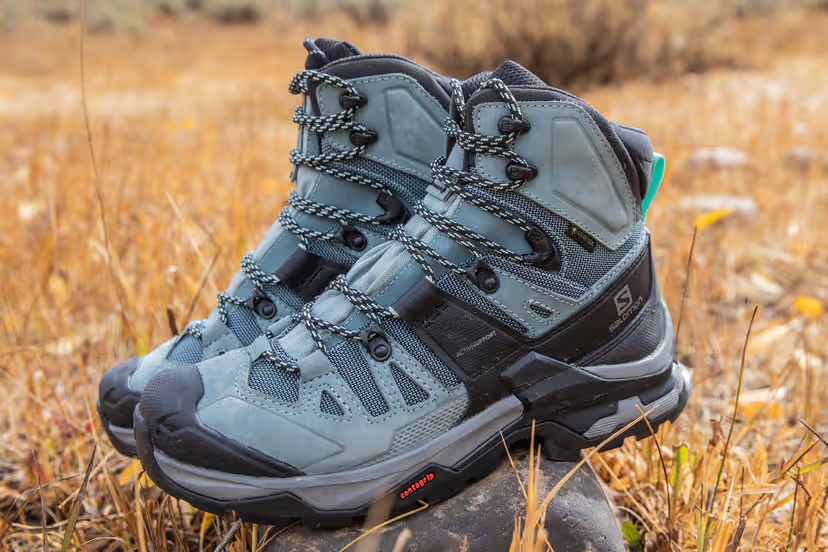
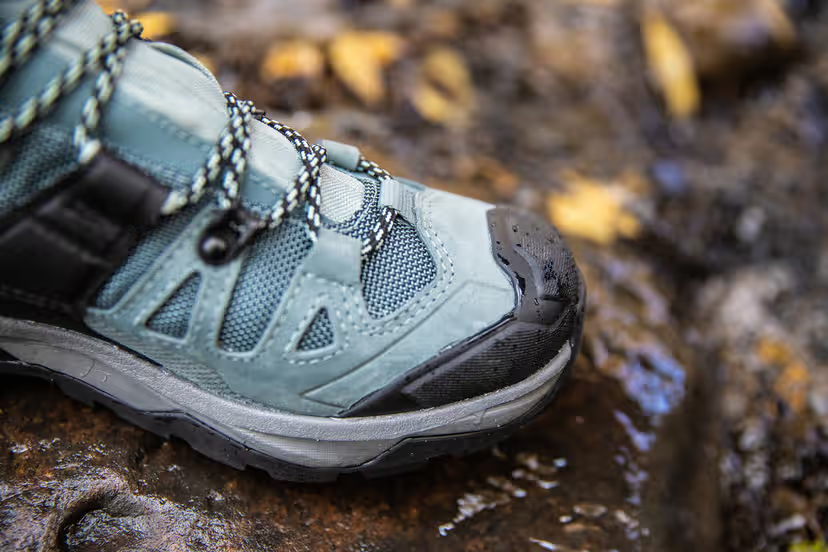
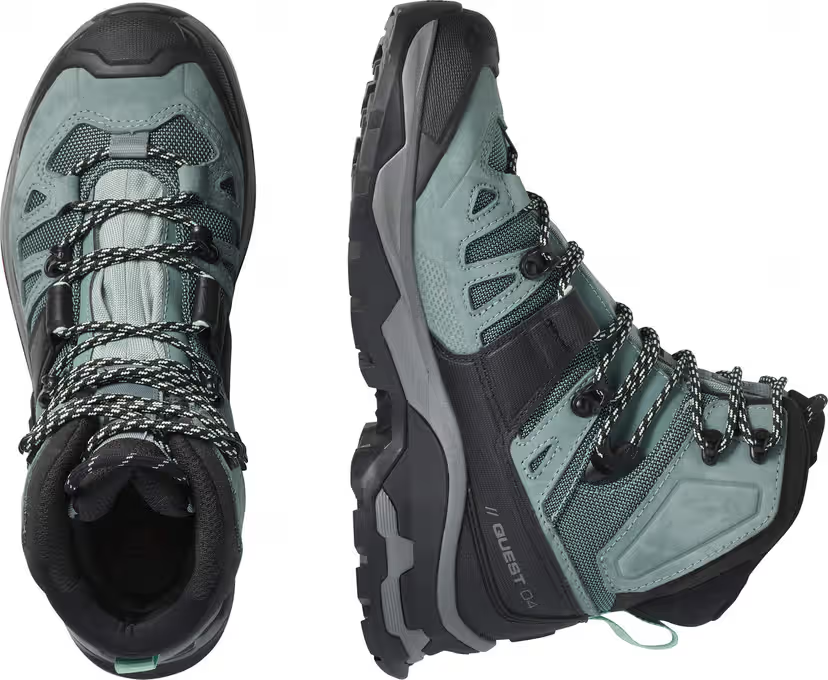
- Ball girth in size 8.5W: 9.8 inches (genuinely wide)
- Weight: 1 lb 14 oz per pair
- The toebox is actually rounded, not tapered
- Great ankle support, responsive underfoot
- Downside: narrow in the heel relative to forefoot, so you might need to size down in length
- Price: $220–$240
Best Budget Option: KEEN Targhee III
KEEN Targhee III
Check Price on Amazon →
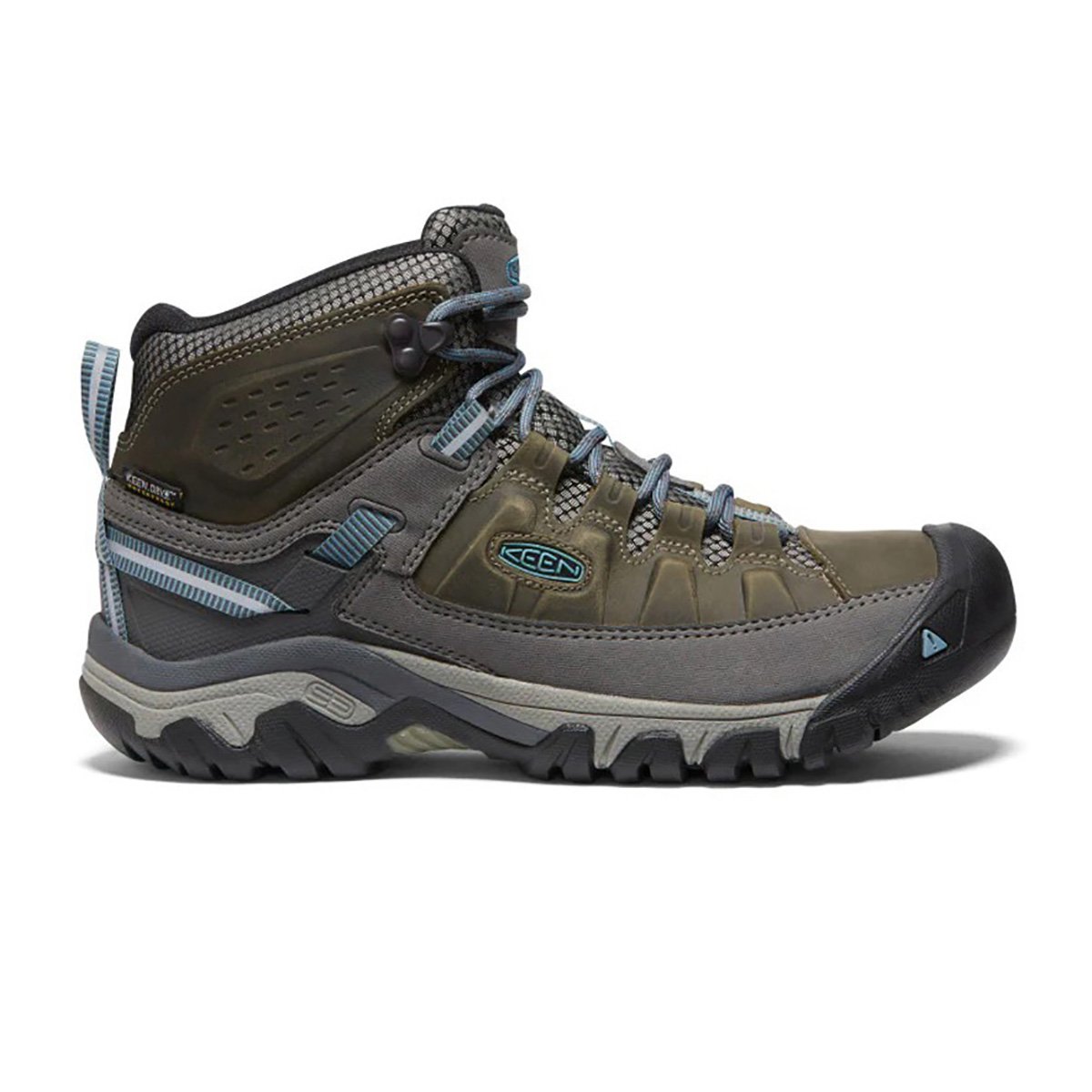
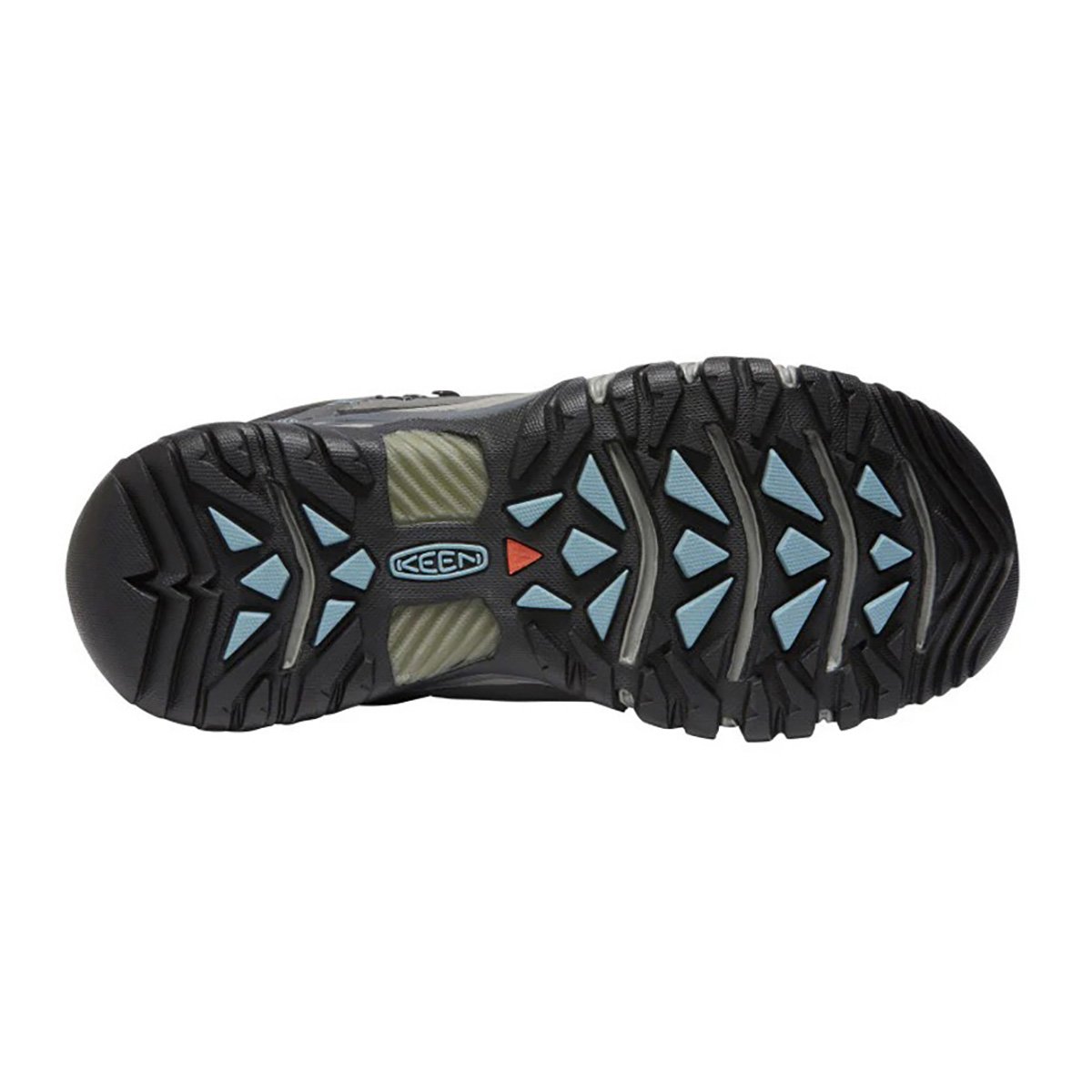
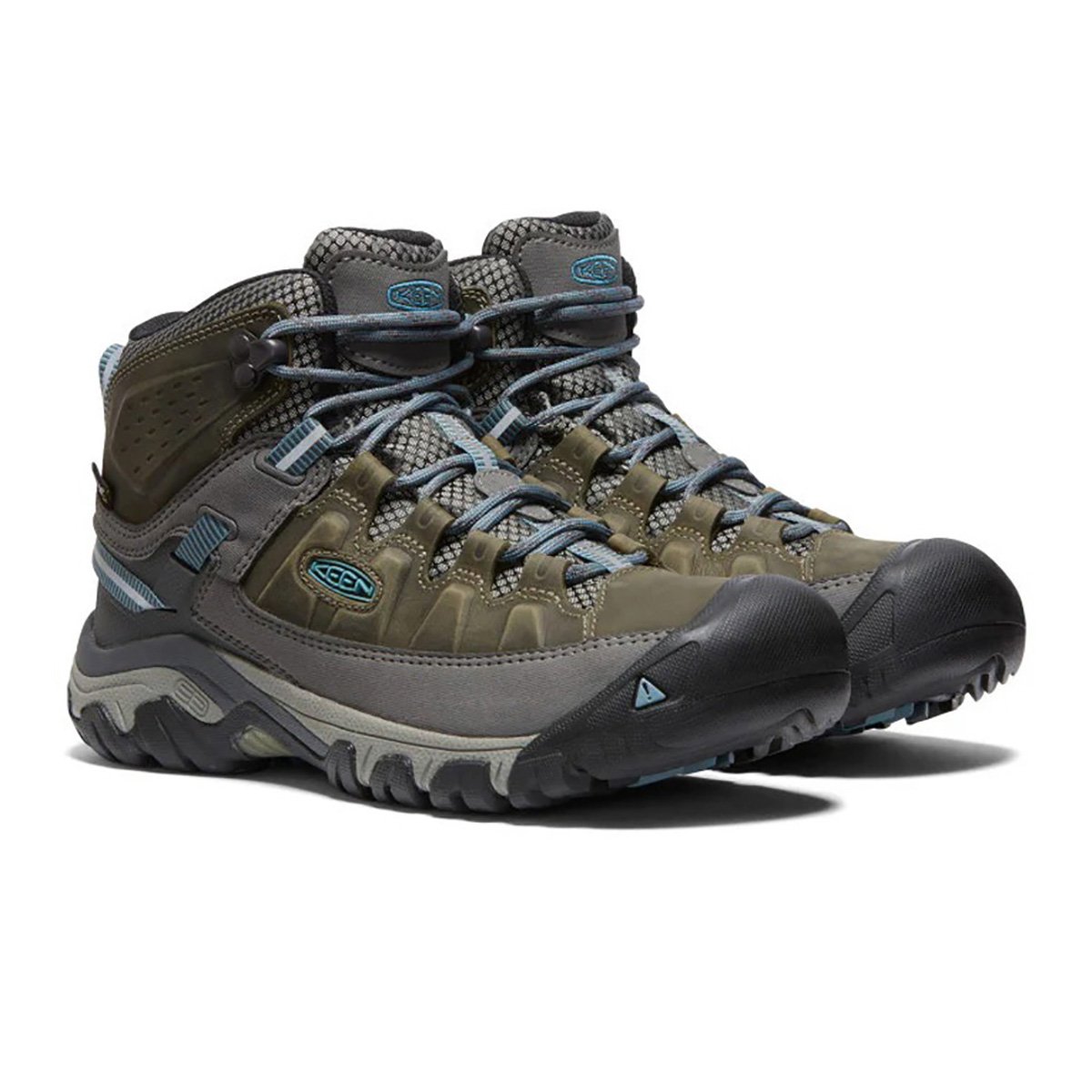
- Ball girth in size 8W: 9.6 inches
- Weight: 1 lb 11 oz per pair
- KEEN’s natural width means even regular widths work for some, but the Wide is noticeably better
- Excellent traction, very durable
- Downside: runs a bit stiff initially (expect 2–3 wears to break in)
- Price: $160–$180
Best For Technical Terrain: La Sportiva TX Hiker Wide Check Price on Amazon →
- Ball girth in size 37.5: 9.7 inches
- Weight: 1 lb 13 oz per pair
- Aggressive tread, excellent foot contact
- More minimalist feel—good if you prefer less cushioning
- Downside: European sizing is confusing; order half a size larger than you think
- Price: $200–$220
Common Mistakes People Make When Finding Wide Hiking Boots
Mistake 1: Trying to Make Narrow Boots Work by Sizing Up
You bought a popular boot in a size 9 regular, but it pinches. So you try a 10 regular instead. Now your heel slips and your feet get blisters. Sizing up doesn’t add width—it just makes the whole boot bigger. If a boot pinches across the ball, you need a wider boot, not a longer one.
Mistake 2: Not Accounting For Sock Thickness
Cotton socks feel thinner than merino wool, but hiking requires wool or synthetic. These are noticeably thicker than regular socks. Measure your feet wearing the exact socks you’ll hike in. Many people measure in thin dress socks, then buy boots that are too tight when worn with proper hiking socks.
Mistake 3: Believing Reviews From People With Average Feet
Online reviews are helpful, but if someone says “size down half a size,” that advice might not apply to you. Wide-footed hikers need to find reviews from other wide-footed people. Look for comments mentioning ball girth, width, or explicitly saying “We have wide feet.” These are your people.
Mistake 4: Not Testing Downhill
A boot can feel fine walking on flat ground or uphill, but pinch terribly downhill when your foot slides forward in the boot. If possible, test boots on stairs going down or on a downhill slope. This reveals toe box room problems that flat ground testing misses.
Our Top Recommendations
For most wide-footed hikers, we recommend starting with:
Best Overall: Salomon Quest 4D 3 GTX
Check Price on Amazon → — If you have a truly wide forefoot (ball girth 9.7″+), this is the gold standard. Consistent sizing, excellent support, and real width across the ball. Price: $220–$240
Best Budget Option: KEEN Targhee III
Check Price on Amazon → — Best value option and often overlooked. KEEN’s natural width philosophy means their boots work well for wide feet, and the price is $60 less than Salomon. Great for day hikes and moderate backpacking. Price: $160–$180
Merrell Moab 2
Check Price on Amazon → — If you prefer a more traditional hiking boot feel with good ankle support, Merrell’s wide options are solid. Less aggressive tread than the others but very stable. Price: $180–$200
FAQ: Wide Hiking Boot Fitting
Q: What if Feet are wide, but one foot is wider than the other?
A: Most people have asymmetrical feet—one foot is usually slightly larger or wider. This is normal. When choosing a boot size, size for the larger/wider foot. You can add an insole or padding to the snugger foot if needed. It’s much easier to add padding than remove material from a boot.
Q: Should wide hiking boots feel tight when I first try them on?
A: No. A boot that feels uncomfortably snug when dry will feel terrible after your feet swell on the trail. Boots should feel snug but not tight when you first put them on with proper socks. You should be able to wiggle your toes without restriction, and you should fit a finger between your heel and the boot when you’re standing.
Q: How much break-in time do wide hiking boots need?
A: Good boots need 1–3 short hikes (under 5 miles) before a full day hike. Some brands (like La Sportiva) need more break-in; others (like Salomon and KEEN) are comfortable from day one. Wear them around the house first, then do short walks, then tackle a 5-mile hike before committing to an 8+ mile day.
Q: Can I return boots that don’t fit?
A: Most major retailers offer 30-day returns for unworn boots (unworn soles). If you wear boots around the house on carpet, they’re typically still returnable. Always check the return policy before you buy. REI’s 365-day return policy makes them a safe option if you’re uncertain about fit.
Q: Are women’s wide boots the only option, or should I consider men’s boots?
A: Some wide-footed women actually fit better in men’s boots if their feet are size 8 or smaller in women’s sizing. Men’s boots tend to have a different heel shape and sometimes more forefoot width. If women’s wide boots still pinch, try men’s sizes 6–7. The downsides: fewer color options and different insole shape. Only try this if women’s wide boots genuinely don’t work.